

Iron is an essential mineral that helps your body produce healthy red blood cells, which carry oxygen throughout your body. When your iron levels become too low, your body may not receive enough oxygen to function efficiently, leading to iron deficiency.
Women are more likely to develop iron deficiency because of menstrual blood loss, pregnancy, breastfeeding, and increased nutritional needs during different stages of life. While symptoms often develop gradually, recognizing them early can help prevent more serious health complications.
In this guide, you’ll learn the most common signs of iron deficiency in women, what causes it, how it is diagnosed, and the treatment options available to help restore healthy iron levels.
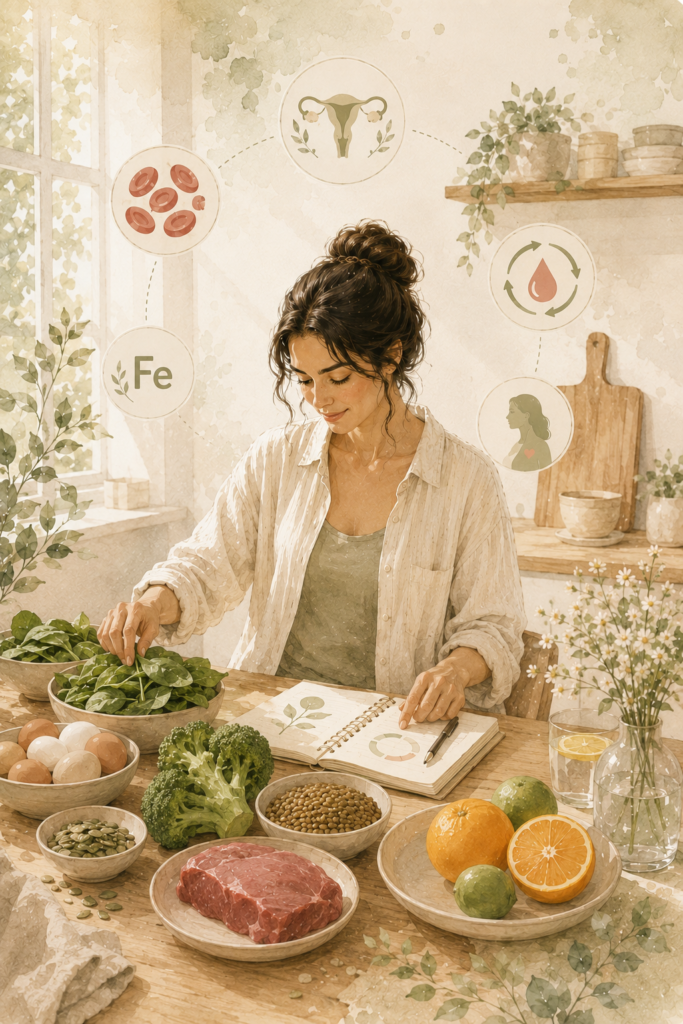
What Is Iron Deficiency?
Iron deficiency occurs when your body does not have enough iron to produce adequate amounts of hemoglobin, a protein found in red blood cells that carries oxygen throughout the body. Without enough oxygen, your organs and muscles may not function as efficiently, leading to a variety of symptoms.
If left untreated, iron deficiency can progress to iron deficiency anemia, a condition in which your body lacks enough healthy red blood cells to meet its oxygen needs.
Although anyone can develop iron deficiency, women are at a higher risk because of monthly menstrual blood loss, pregnancy, childbirth, and breastfeeding.
Why Are Women More Likely to Develop Iron Deficiency?
Women have unique nutritional needs that increase their risk of developing low iron levels.
Some of the most common reasons include:
- Heavy menstrual periods
- Pregnancy
- Breastfeeding
- Poor dietary iron intake
- Frequent blood donation
- Digestive conditions that reduce iron absorption
- Increased iron requirements during growth and reproductive years
Understanding these risk factors can help women recognize symptoms early and seek appropriate medical care.
10 Signs of Iron Deficiency in Women
Iron deficiency often develops gradually, and many women may not notice the symptoms until iron levels become significantly low. Recognizing the warning signs early can help prevent complications and improve overall health.
1. Constant Fatigue
Feeling unusually tired is one of the earliest and most common signs of iron deficiency. Even after getting enough sleep, you may continue to feel exhausted because your body isn’t receiving enough oxygen to produce the energy it needs.
Persistent fatigue can make daily activities, work, and exercise feel much more difficult than usual.
2. Pale Skin
Low iron levels can reduce the amount of hemoglobin in your blood, causing your skin, lips, gums, or the inside of your lower eyelids to appear paler than usual.
This symptom may develop gradually and often becomes more noticeable as iron deficiency worsens.
3. Shortness of Breath
When your body doesn’t have enough healthy red blood cells, your muscles receive less oxygen. As a result, you may become short of breath during activities that previously felt easy, such as climbing stairs or taking a brisk walk.
If you experience sudden or severe shortness of breath, seek prompt medical evaluation.

4. Frequent Dizziness
Iron deficiency can reduce the amount of oxygen reaching your brain, causing dizziness or lightheadedness, especially when standing up quickly.
Although occasional dizziness can happen for many reasons, frequent episodes should be discussed with a healthcare professional.
5. Headaches
Some women with iron deficiency experience frequent headaches because reduced oxygen delivery may affect the blood vessels and tissues in the brain.
If headaches become persistent or severe, medical evaluation is recommended.
6. Hair Loss
Iron plays an important role in healthy hair growth. Low iron levels may contribute to increased hair shedding or noticeable thinning, particularly when the deficiency has been present for a longer period.
While hair loss has many possible causes, iron deficiency is one factor that your healthcare provider may consider during evaluation.
7. Brittle or Spoon-Shaped Nails
Iron deficiency may cause your nails to become thin, brittle, or more likely to break. In more severe cases, nails may develop a spoon-like shape, known as koilonychia.
Although this symptom is less common, it may indicate long-term iron deficiency that should be evaluated by a healthcare professional.
8. Cold Hands and Feet
Iron helps your blood carry oxygen throughout the body. When iron levels are low, your body may struggle to maintain normal circulation, making your hands and feet feel unusually cold even in comfortable temperatures.
This symptom often improves once iron levels return to normal.
9. Rapid or Irregular Heartbeat
When your body doesn’t receive enough oxygen, your heart works harder to deliver oxygen-rich blood to your organs and muscles. This may cause a faster heartbeat, heart palpitations, or an irregular heartbeat.
If you experience chest pain, severe shortness of breath, or persistent heart palpitations, seek medical attention immediately.
10. Difficulty Concentrating
Iron is important for healthy brain function. Low iron levels may affect concentration, memory, and mental focus, making everyday tasks feel more challenging.
Some women describe this as “brain fog,” where they have trouble staying focused or remembering information.

What Causes Iron Deficiency in Women?
Iron deficiency can develop for many different reasons. In some cases, more than one factor may contribute.
Common causes include:
- Heavy menstrual bleeding
- Pregnancy and childbirth
- Breastfeeding
- Not eating enough iron-rich foods
- Poor absorption of iron due to digestive conditions
- Frequent blood donation
- Certain gastrointestinal disorders
- Internal bleeding from stomach ulcers or other medical conditions
Identifying the underlying cause is essential for choosing the most appropriate treatment.
How Is Iron Deficiency Diagnosed?
If your healthcare provider suspects iron deficiency, they will ask about your symptoms, medical history, diet, menstrual cycle, and any recent illnesses.
They may recommend:
- Complete Blood Count (CBC)
- Ferritin blood test
- Serum iron test
- Total Iron Binding Capacity (TIBC)
- Additional tests if another underlying condition is suspected
Early diagnosis allows treatment to begin before iron deficiency progresses to iron deficiency anemia.
Treatment Options
Treatment depends on the cause and severity of iron deficiency.
Common treatment approaches include:
- Eating more iron-rich foods
- Increasing vitamin C intake to improve iron absorption
- Iron supplements prescribed or recommended by a healthcare professional
- Treating heavy menstrual bleeding if present
- Managing underlying medical conditions affecting iron absorption
Do not start taking iron supplements without consulting a healthcare professional, as too much iron can also be harmful.
Best Foods Rich in Iron
Including iron-rich foods in your diet can help support healthy iron levels.
Good sources include:
- Lean red meat
- Chicken
- Fish
- Eggs
- Spinach
- Lentils
- Chickpeas
- Kidney beans
- Pumpkin seeds
- Tofu
- Fortified cereals
- Broccoli
Pairing these foods with vitamin C-rich foods such as oranges, strawberries, bell peppers, or tomatoes may help improve iron absorption.

Frequently Asked Questions
Yes. Heavy menstrual bleeding is one of the most common causes of iron deficiency in women because it increases iron loss every month.
Yes. Low iron levels may contribute to increased hair shedding or thinning in some women. However, hair loss can have many different causes, so proper evaluation is important.
Recovery depends on the severity of the deficiency and the treatment used. Many people begin to feel better within a few weeks, but restoring iron stores may take several months.
No. Iron supplements should only be taken after discussing them with a healthcare professional, as excessive iron intake can be harmful.
Iron-rich foods include lean meat, poultry, fish, spinach, lentils, beans, pumpkin seeds, tofu, and fortified cereals. Eating vitamin C-rich foods alongside iron-rich foods may improve absorption.
Conclusion
Iron deficiency is one of the most common nutritional deficiencies affecting women worldwide. Because symptoms often develop gradually, they can easily be overlooked or mistaken for everyday tiredness or stress. Recognizing the warning signs early can help prevent complications and improve your overall health.
If you experience persistent fatigue, dizziness, pale skin, hair loss, or other symptoms of iron deficiency, consult a healthcare professional for proper evaluation. A balanced diet, early diagnosis, and appropriate treatment can help restore healthy iron levels and support your long-term well-being.
Medical Disclaimer
This article is for educational purposes only and is not a substitute for professional medical advice, diagnosis, or treatment. Always consult a qualified healthcare professional regarding any medical concerns or before making decisions about your health.
Sources & References
This article was prepared using information from trusted medical organizations and evidence-based clinical resources, including:
- World Health Organization (WHO)
- National Health Service (NHS)
- Mayo Clinic
- Cleveland Clinic
- American College of Obstetricians and Gynecologists (ACOG)
- Endocrine Society
- Office on Women’s Health (U.S. Department of Health & Human Services)
LifeMate regularly reviews and updates its health content to reflect current medical knowledge and evidence-based guidelines