

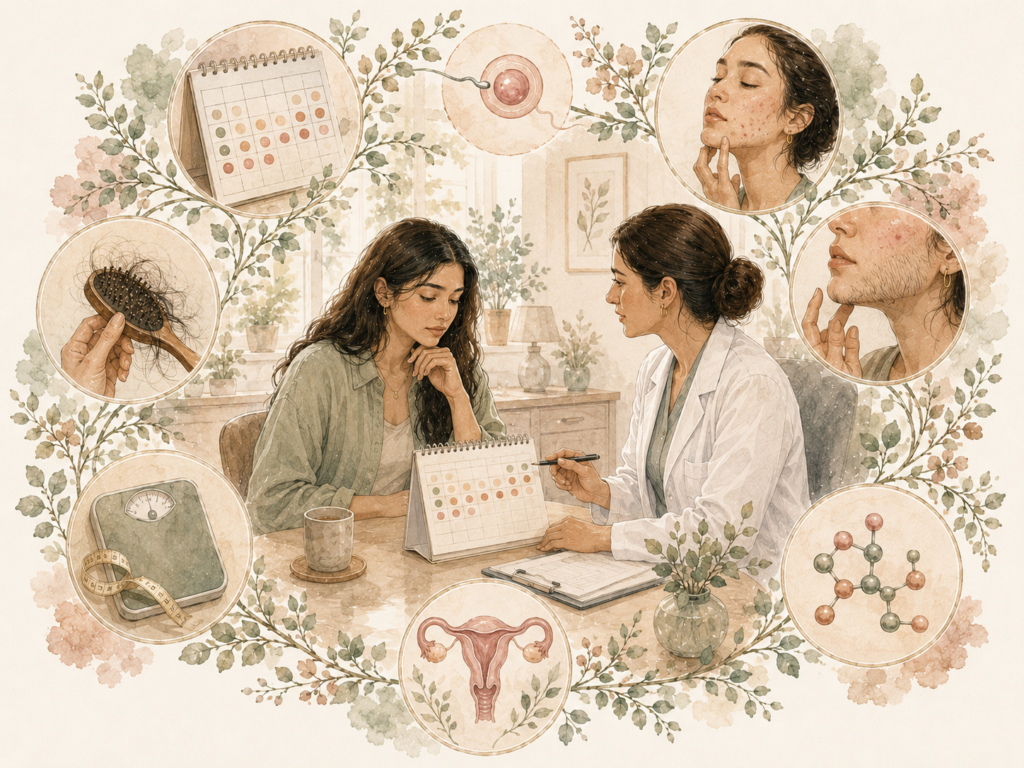
Polycystic ovary syndrome, commonly called PCOS, is a common hormonal and metabolic condition that can affect menstrual cycles, ovulation, skin, hair, weight, and fertility.
PCOS does not look the same in every woman. Some may have very irregular periods and excess facial hair, while others may mainly experience acne, hair thinning, difficulty becoming pregnant, or metabolic changes. Some women may have only a few noticeable symptoms.
PCOS affects an estimated 10–13% of women of reproductive age worldwide, and many people with the condition remain undiagnosed.
Recognizing the possible signs can help you know when it may be worth speaking with a healthcare professional.
In this guide, we’ll explain 10 common PCOS symptoms, why they happen, how PCOS is diagnosed, and when you should see a doctor.
Important: Having one or more of these symptoms does not automatically mean you have PCOS. Several other conditions can cause similar symptoms, so proper medical evaluation is important.
What Is PCOS?
PCOS is a hormonal condition associated with ovulatory dysfunction, higher-than-usual androgen activity, and metabolic changes.
Androgens are sometimes called “male hormones,” but women naturally produce them too. In PCOS, androgen levels or their effects may be higher than expected, which can contribute to symptoms such as excess facial or body hair, acne, oily skin, or scalp hair thinning.
PCOS can also interfere with ovulation. When ovulation does not happen regularly, menstrual periods may become unpredictable or absent, and getting pregnant can become more difficult.
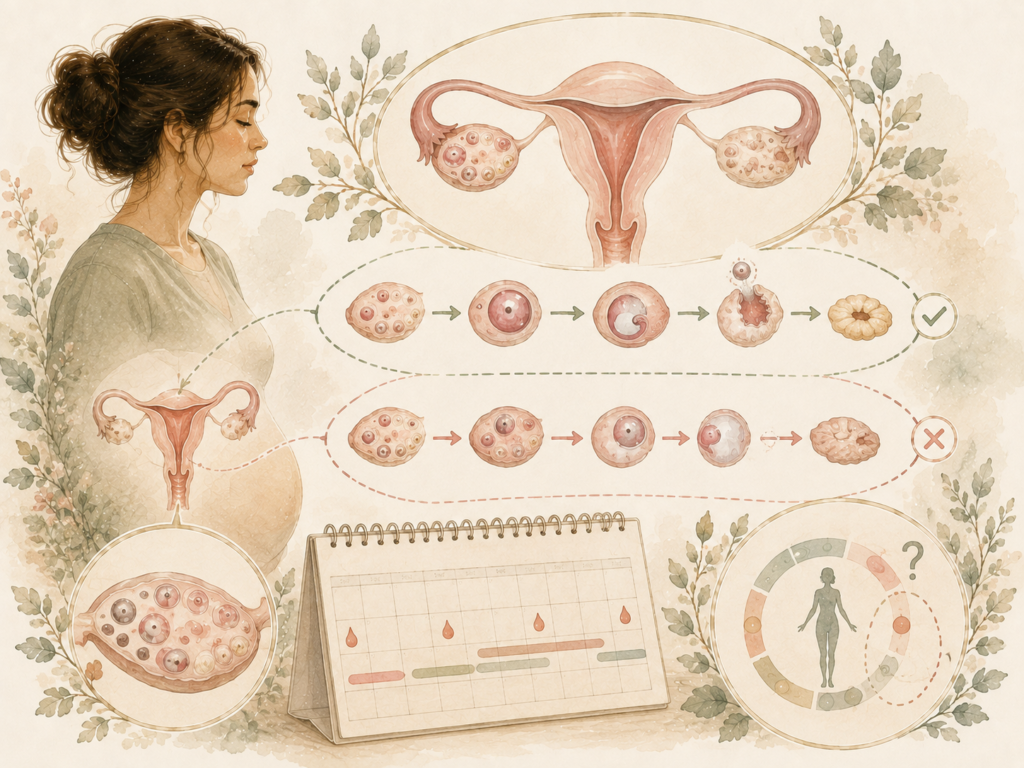
Despite its name, you do not need to have ovarian cysts to have PCOS. Polycystic-appearing ovaries are only one possible feature used in diagnosis.
PCOS is also associated with an increased risk of metabolic conditions such as insulin resistance, type 2 diabetes, high blood pressure, abnormal cholesterol levels, and obesity.
10 Common PCOS Symptoms and Signs
PCOS symptoms can vary significantly from one person to another. Some symptoms may appear gradually, while others become noticeable when menstrual cycles change or when someone begins trying to conceive.
Here are 10 signs worth knowing.
1. Irregular Periods
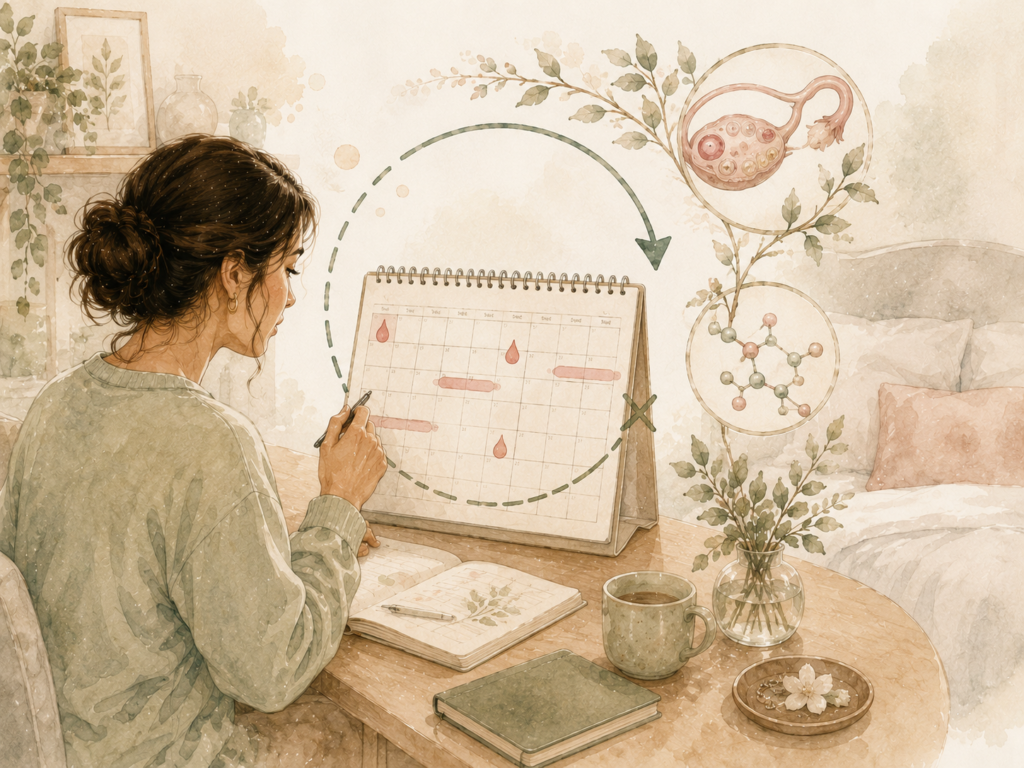
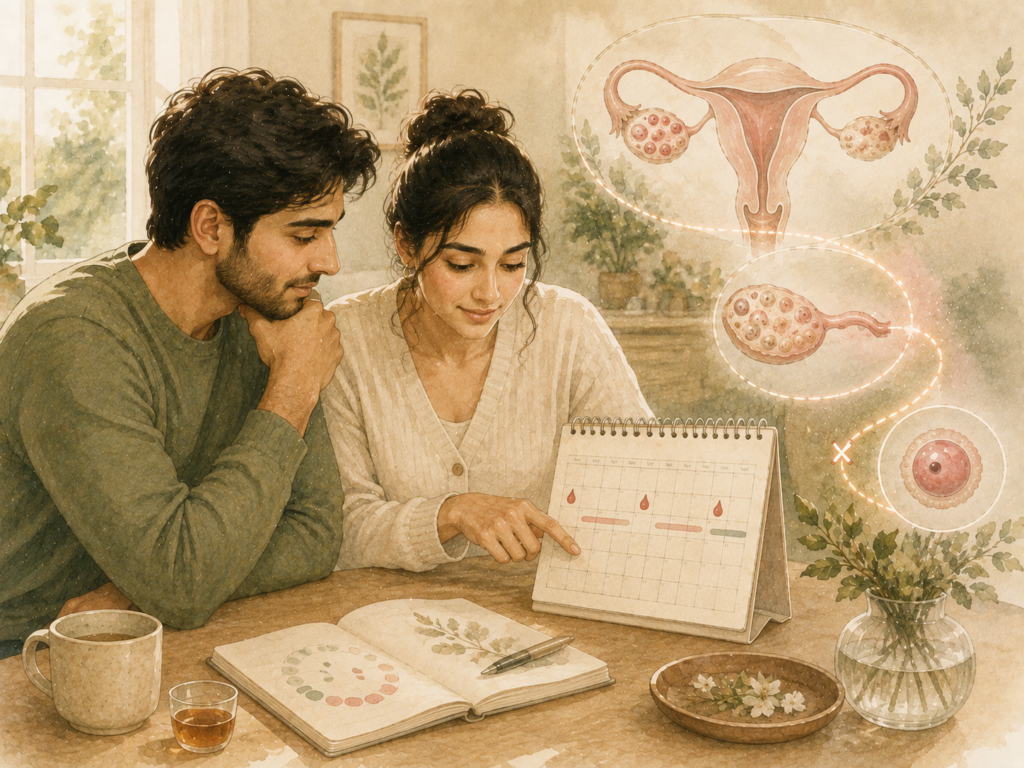
One of the most recognizable PCOS symptoms is having irregular menstrual cycles.
You may notice that your periods:
- Come much earlier or later than expected.
- Occur only occasionally.
- Vary significantly from month to month.
- Become unpredictable.
- Are separated by unusually long gaps.
Irregular periods often occur because PCOS can interfere with regular ovulation.
For adults more than three years after their first period, international PCOS guidance considers cycles shorter than 21 days, longer than 35 days, fewer than eight cycles per year, or a gap of more than 90 days between periods as patterns that warrant assessment for ovulatory dysfunction.
However, menstrual cycles can naturally vary during adolescence and around perimenopause, so age and reproductive stage matter when evaluating irregular periods.
2. Missed or Absent Periods
Some women with PCOS have periods only a few times a year or may go several months without menstruating.
This is called amenorrhea when periods stop altogether for a prolonged period.
Missing a period does not automatically mean you have PCOS. Pregnancy, significant changes in weight, intense exercise, stress, thyroid disorders, elevated prolactin, and other medical conditions can also affect menstruation.
If you repeatedly miss periods and pregnancy is not the explanation, it is worth discussing the pattern with a healthcare professional.
Long gaps between periods in PCOS should not simply be ignored because infrequent ovulation can affect the uterine lining over time.
3. Difficulty Ovulating
Ovulation is the release of an egg from an ovary.
With PCOS, hormonal changes can interfere with the normal process that leads to ovulation. As a result, ovulation may happen infrequently or unpredictably—or not occur during some cycles.
This is called ovulatory dysfunction or anovulation.
You may suspect irregular ovulation if you have:
- Very irregular periods.
- Long menstrual cycles.
- Few periods each year.
- Difficulty predicting your fertile window.
- Difficulty becoming pregnant.
Importantly, someone can occasionally have ovulatory dysfunction even when their periods appear relatively regular. If PCOS is suspected, a healthcare professional may use blood tests or other assessments to determine whether ovulation is occurring normally.
4. Acne and Oily Skin
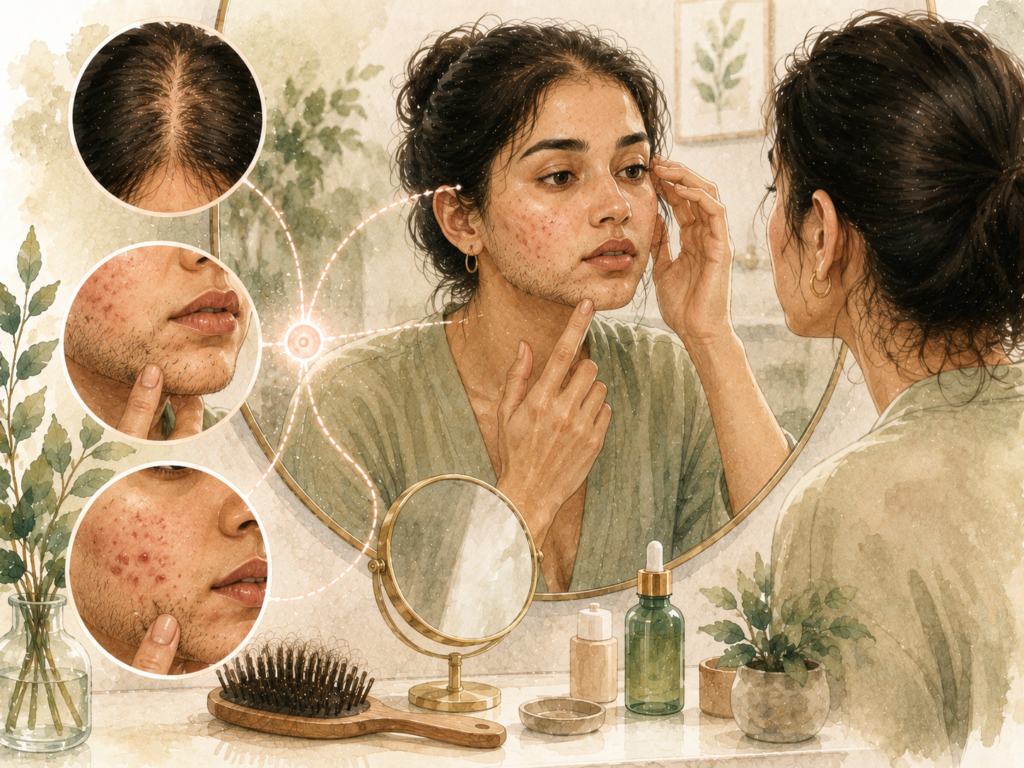
Persistent acne can be another sign of PCOS, particularly when it appears alongside irregular periods or other symptoms of higher androgen activity.
Some women may experience:
- Persistent adult acne.
- Acne around the jawline or lower face.
- Oily skin.
- Breakouts that are difficult to control.
- Acne that continues beyond the teenage years.
Hormonal changes associated with PCOS can stimulate oil production and contribute to acne.
However, acne alone does not mean you have PCOS. Many other hormonal and non-hormonal factors can cause acne.
5. Excess Facial or Body Hair
Another common PCOS symptom is hirsutism, meaning excessive growth of coarse or dark hair in areas where women typically have less terminal hair.
This may include:
- Upper lip
- Chin
- Jawline
- Chest
- Abdomen
- Back
Hirsutism can occur when androgen levels are elevated or when hair follicles are particularly sensitive to androgens.
Not every woman with PCOS develops excess hair, and hair growth patterns can also be influenced by genetics and ethnicity.
6. Scalp Hair Thinning
PCOS can also affect the hair on your scalp.
Some women experience female-pattern hair thinning, particularly around the crown or along the central part of the scalp.
You might notice:
- A widening part.
- Thinner hair around the crown.
- More hair visible when styling.
- Reduced overall hair density.
This can be associated with androgen activity.
However, hair loss has many possible causes, including thyroid disorders, iron deficiency, nutritional deficiencies, stress, certain medications, and other hormonal conditions.
Therefore, hair thinning should not automatically be attributed to PCOS.
7. Weight Changes or Difficulty Managing Weight
Some women with PCOS experience weight gain or find weight management more difficult.
PCOS is associated with metabolic changes, including insulin resistance, which can contribute to changes in appetite, energy metabolism, and body weight.
However, PCOS can affect people of every body size.
Being overweight is not required to have PCOS, and having a lower body weight does not rule it out. Weight alone should never be used to determine whether someone has PCOS.
A healthcare professional should consider the complete pattern of symptoms, menstrual history, hormone findings, and metabolic health.

8. Signs of Insulin Resistance or Metabolic Changes
PCOS is associated with a higher risk of insulin resistance and other metabolic problems.
Insulin resistance occurs when the body’s cells do not respond to insulin as effectively as they should. The body may compensate by producing more insulin.
You cannot reliably diagnose insulin resistance based on symptoms alone.
Some people with PCOS may have metabolic changes without obvious symptoms, which is why healthcare professionals may recommend metabolic screening.
PCOS is associated with increased risks of:
- Prediabetes and type 2 diabetes.
- High blood pressure.
- Abnormal cholesterol levels.
- Weight gain and obesity.
- Other metabolic health problems.
This is one reason PCOS care should extend beyond periods and fertility.
9. Darkened, Thickened Skin in Certain Areas
Some women with insulin resistance develop a skin change called acanthosis nigricans.
It can appear as darker, thicker, or velvety-looking skin, particularly around:
- The back of the neck.
- Armpits.
- Groin.
- Other skin folds.
Acanthosis nigricans is not exclusive to PCOS and can have several causes. If you notice unexplained skin changes, a healthcare professional can help determine the underlying cause.
10. Difficulty Becoming Pregnant
PCOS is one of the most common causes of infertility related to anovulation, meaning ovulation does not happen regularly.
If ovulation is irregular, it can become harder to predict the fertile window and achieve pregnancy.
You may notice:
- Long or unpredictable cycles.
- Few periods each year.
- Difficulty identifying ovulation.
- Longer-than-expected time trying to conceive.
But having PCOS does not mean you cannot become pregnant.
Many people with PCOS conceive naturally, while others may benefit from medical treatment to help restore or stimulate ovulation.
If you are trying to conceive and have irregular periods, speaking with an obstetrician-gynecologist or fertility specialist can help identify whether irregular ovulation is contributing to difficulty conceiving.
Can You Have PCOS Without All These Symptoms?
Yes.
PCOS is a highly variable condition.
One woman may have irregular periods and excess facial hair. Another may have acne and difficulty conceiving. Someone else may have metabolic abnormalities with relatively few obvious outward symptoms.
You also do not need to have ovarian cysts to have PCOS.
This is important because the word “polycystic” can make people assume that visible cysts are always present. They are not required for diagnosis.
When Should You See a Doctor About Possible PCOS?
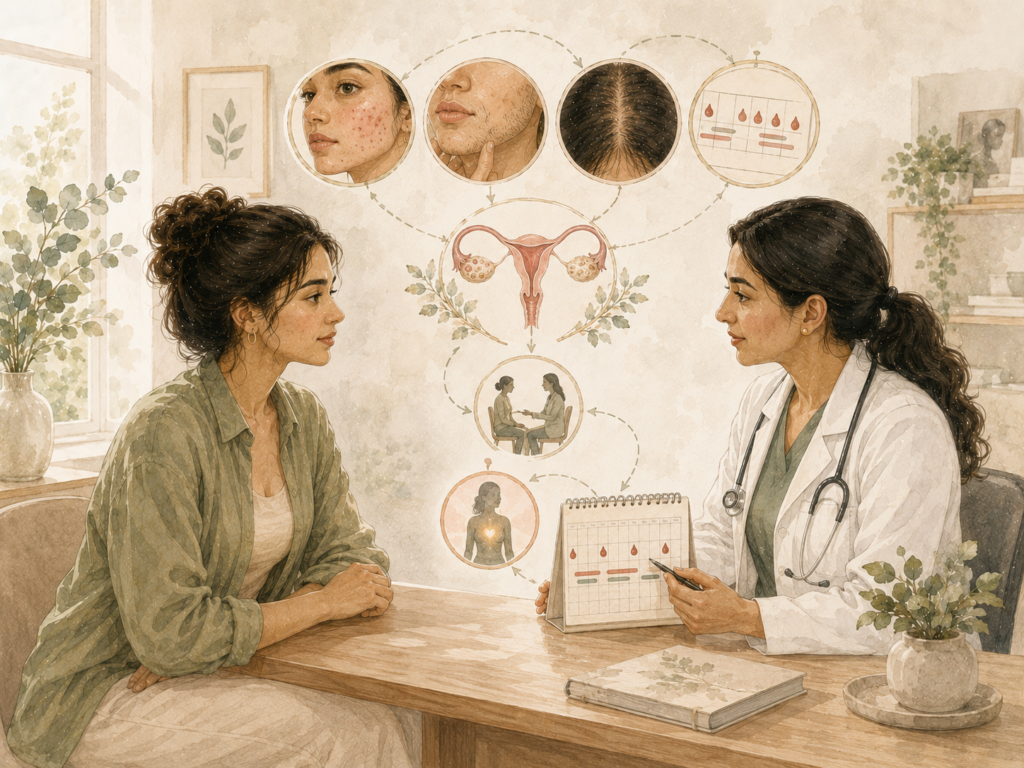
You don’t need to have every PCOS symptom before talking to a healthcare professional.
Consider making an appointment if you regularly experience:
- Very irregular or absent periods.
- Long gaps between menstrual cycles.
- Persistent acne that began or continued into adulthood.
- New or excessive facial or body hair.
- Unexplained scalp hair thinning.
- Difficulty becoming pregnant.
- Several symptoms occurring together.
- Signs of metabolic problems, such as elevated blood sugar or cholesterol.
It is especially important to discuss persistent menstrual irregularity rather than simply assuming that your periods are “naturally irregular.”
PCOS is only one possible explanation. Thyroid disorders, elevated prolactin, changes in weight, certain medications, stress, excessive exercise, and other reproductive or hormonal conditions can also affect menstrual cycles.
A healthcare professional can help determine what is actually causing the changes.
How Is PCOS Diagnosed?
There is no single test that can diagnose PCOS.
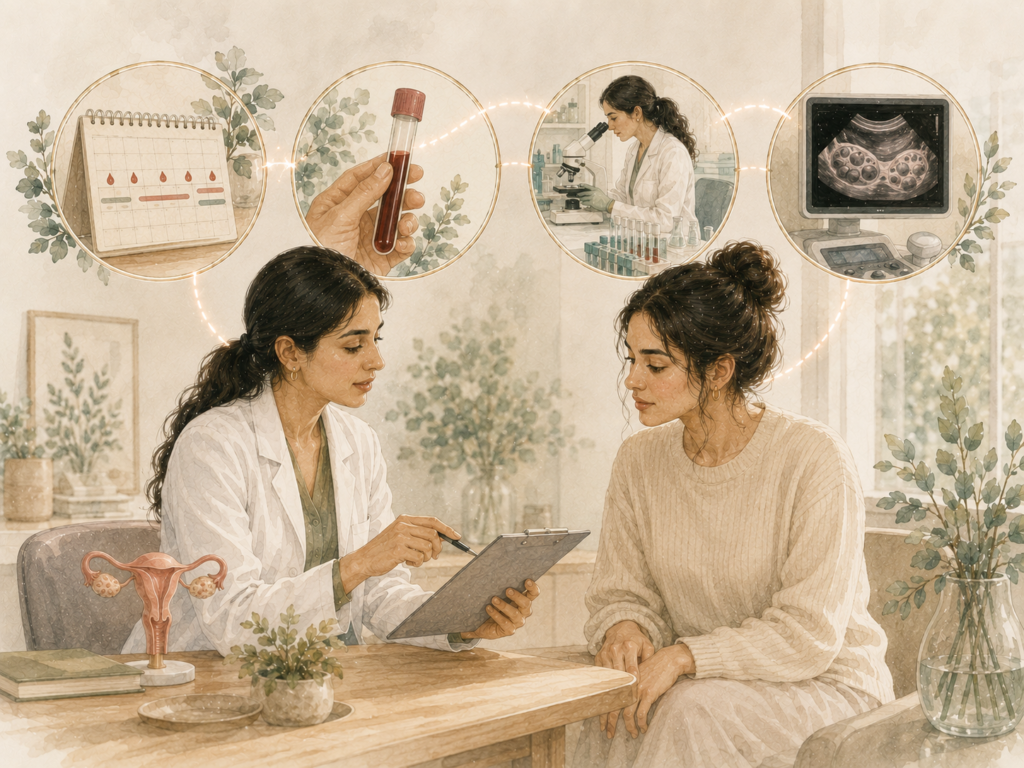
Healthcare professionals usually look at your overall medical history, symptoms, physical examination, and laboratory or imaging results.
In adults, the internationally recognized diagnostic approach generally considers three main features:
- Ovulatory dysfunction, often reflected by irregular or absent menstrual cycles.
- Clinical or biochemical signs of higher androgen activity, such as excess facial/body hair, acne, or elevated androgen levels in blood tests.
- Polycystic ovarian morphology on ultrasound or, in some circumstances, evidence of increased ovarian follicle number.
After excluding other conditions that can cause similar symptoms, PCOS is generally diagnosed when the appropriate combination of these features is present.
The exact diagnostic process can differ depending on your age, symptoms, medications, and reproductive stage.
What Tests Are Used to Diagnose PCOS?
Your healthcare provider may recommend several different assessments.
Menstrual and Medical History
Your doctor may ask about:
- When your periods started.
- How often you have periods.
- How long your cycles usually last.
- Changes in menstrual patterns.
- Acne.
- Facial or body hair growth.
- Hair thinning.
- Weight changes.
- Previous pregnancies.
- Fertility history.
- Medications and supplements.
- Family history of PCOS or metabolic conditions.
Keeping a menstrual calendar can make this conversation much easier.
Hormone Blood Tests
Blood tests may be used to measure androgen levels and investigate other possible causes of your symptoms.
Depending on your situation, your healthcare provider may assess hormones such as:
- Total testosterone.
- Free testosterone or measures of free androgen activity.
- Other hormones when clinically appropriate.
Additional tests may be used to rule out conditions that can mimic PCOS.
Tests to Rule Out Other Conditions
Because PCOS symptoms overlap with several other conditions, your doctor may check for alternative explanations.
Depending on your symptoms, this can include evaluating for:
- Thyroid disorders.
- Elevated prolactin.
- Non-classic congenital adrenal hyperplasia.
- Pregnancy.
- Other hormonal disorders.
The exact tests depend on your individual symptoms and medical history.
Do You Need an Ultrasound to Diagnose PCOS?
Not always.
An ultrasound may be useful when evaluating someone for PCOS, but seeing multiple follicles in the ovaries is not automatically the same as having PCOS.
In adults, if someone already has both irregular ovulation and evidence of increased androgen activity, an ultrasound may not be necessary to establish the diagnosis.
This is important because many people assume:
“I have ovarian cysts, so I must have PCOS.”
or:
“My ultrasound is normal, so I can’t have PCOS.”
Neither assumption is necessarily correct.
Your healthcare professional interprets ultrasound findings together with your symptoms, hormone results, menstrual history, and other relevant information.
What Happens After a PCOS Diagnosis?
Receiving a PCOS diagnosis can feel overwhelming, but it does not mean that your health or fertility is permanently compromised.
Treatment is individualized according to your symptoms, health goals, and whether you are currently trying to become pregnant.
Management may focus on:
- Regulating menstrual cycles.
- Managing acne.
- Reducing unwanted hair growth.
- Supporting metabolic health.
- Improving fertility when pregnancy is desired.
- Managing weight when appropriate.
- Reducing long-term health risks.
There is no single treatment that works for every person with PCOS.
The right approach depends on your individual circumstances.
PCOS and Fertility
PCOS can make conception more difficult because irregular ovulation means an egg may not be released consistently.
However, PCOS does not mean you cannot become pregnant.
Some women with PCOS conceive without fertility treatment. Others may need help regulating or stimulating ovulation.
If you are trying to conceive and have irregular periods, don’t feel that you need to wait indefinitely before seeking help.
A healthcare professional can evaluate whether you are ovulating and discuss appropriate fertility options if necessary.

Can PCOS Symptoms Change Over Time?
Yes.
PCOS is a long-term condition, but its symptoms and their intensity can change throughout life.
For example, menstrual patterns may change with age, pregnancy, lifestyle changes, medications, or other health conditions.
Some symptoms may become less noticeable while others become more prominent.
This is why ongoing healthcare is important even if your symptoms improve.
PCOS Is More Than an Ovarian Condition
One of the most important things to understand about PCOS is that it is not simply a condition involving the ovaries.
PCOS can involve reproductive, hormonal, metabolic, and psychological aspects of health.
People with PCOS have increased risks of certain metabolic conditions, including type 2 diabetes, high blood pressure, and abnormal cholesterol levels. Mental health concerns such as anxiety and depression can also occur more frequently.
This means good PCOS care should look at the whole person, not just menstrual cycles.
Frequently Asked Questions About PCOS Symptoms
Common PCOS symptoms include irregular or absent periods, irregular ovulation, excess facial or body hair, acne, scalp hair thinning, and difficulty becoming pregnant. Some people also experience metabolic changes associated with insulin resistance.
Yes, although irregular ovulation is a common feature of PCOS. Some people may have apparently regular cycles while still experiencing other signs of androgen excess or other features of PCOS. A healthcare professional can determine whether further evaluation is appropriate.
No. PCOS can occur in people of all body sizes. Weight gain and difficulty managing weight are common in some people with PCOS, but they are not required for diagnosis.
Yes. Acne can occur with PCOS, particularly when it appears alongside other signs of androgen activity. However, acne alone is not enough to diagnose PCOS.
No. Genetics, ethnicity, medications, and other hormonal conditions can contribute to excess facial or body hair. Persistent or sudden changes should be evaluated by a healthcare professional.
PCOS may contribute to female-pattern scalp hair thinning in some women because of increased androgen activity. However, thyroid problems, iron deficiency, stress, nutritional deficiencies, and other conditions can also cause hair loss.
PCOS can make conception more difficult because it can interfere with regular ovulation. However, many people with PCOS become pregnant, either naturally or with appropriate fertility treatment.
Doctors generally assess menstrual and ovulation patterns, signs of androgen excess, blood hormone levels, and sometimes ovarian appearance on ultrasound. Other conditions that can mimic PCOS are also considered and ruled out when appropriate.
PCOS is generally considered a long-term condition rather than something that simply disappears. However, symptoms can change over time and can often be managed effectively with individualized treatment and lifestyle care.
How Is PCOS Managed?
There is no single treatment that works for everyone with PCOS. Management depends on your symptoms, overall health, metabolic risk, and whether you are currently trying to become pregnant.
Treatment may focus on one or several goals, including:
- Regulating menstrual cycles
- Managing acne
- Reducing unwanted hair growth
- Supporting metabolic health
- Improving ovulation
- Supporting fertility
- Managing weight when appropriate
- Reducing long-term health risks
Your healthcare provider can help create a plan based on your individual needs.
Lifestyle Changes and PCOS
Healthy lifestyle habits can be an important part of PCOS management, particularly for metabolic health.
A balanced approach may include:
Eat a Nutrient-Rich Diet
Focus on a variety of:
- Vegetables
- Fruits
- Whole grains
- Protein-rich foods
- Beans and lentils
- Nuts and seeds
- Healthy fats
There is no single “PCOS diet” that works for everyone. The goal is a sustainable eating pattern that supports your nutritional and metabolic health.
Stay Physically Active
Regular physical activity can support cardiovascular and metabolic health and may improve insulin sensitivity.
Choose activities you can maintain consistently, such as:
- Walking
- Strength training
- Cycling
- Swimming
- Dancing
- Yoga
You do not need an extreme exercise routine to support your health.
Prioritize Sleep
Poor sleep can affect energy, appetite, mood, and metabolic health.
Aim for a consistent sleep schedule and speak with your healthcare provider if you regularly experience significant sleep problems.

Can PCOS Be Cured?
There is currently no single cure for PCOS, but its symptoms and associated health risks can often be managed effectively.
Treatment may change throughout your life depending on your priorities.
For example:
- Someone who is not trying to conceive may focus on menstrual-cycle management and acne or hair symptoms.
- Someone trying to become pregnant may need treatment focused on ovulation and fertility.
- Someone with metabolic risk factors may need additional monitoring of blood glucose, cholesterol, blood pressure, and weight.
The goal is not simply to treat one symptom. Good PCOS care considers your overall health and personal goals.
What Should You Do If You Think You Have PCOS?
If several of the symptoms described in this article sound familiar, don’t try to diagnose yourself based on symptoms alone.
Instead:
1. Track your menstrual cycles.
Record the first day of each period and note unusually long gaps.
2. Write down other symptoms.
Make a note of acne, facial or body hair growth, scalp hair thinning, and changes in weight.
3. Book a healthcare appointment.
A gynecologist, endocrinologist, or other qualified healthcare professional can assess your symptoms.
4. Bring your questions.
Ask whether your symptoms could be related to PCOS or another hormonal condition.
5. Follow through with recommended testing.
Your healthcare provider may recommend blood tests, metabolic screening, or ultrasound depending on your circumstances.
Getting an accurate diagnosis is more useful than trying to manage suspected PCOS on your own.
When PCOS Symptoms Need Prompt Medical Attention
PCOS itself is usually a chronic condition rather than an emergency. However, some symptoms that occur in someone with PCOS may have another cause and require urgent evaluation.
Seek prompt medical attention for symptoms such as:
- Severe or sudden abdominal or pelvic pain
- Very heavy vaginal bleeding
- Fainting or severe dizziness
- Chest pain
- Severe difficulty breathing
- Sudden severe headache or neurological symptoms
- Sudden major changes in vision
Don’t assume that a new or severe symptom is “just PCOS.”
The Bottom Line on PCOS Symptoms
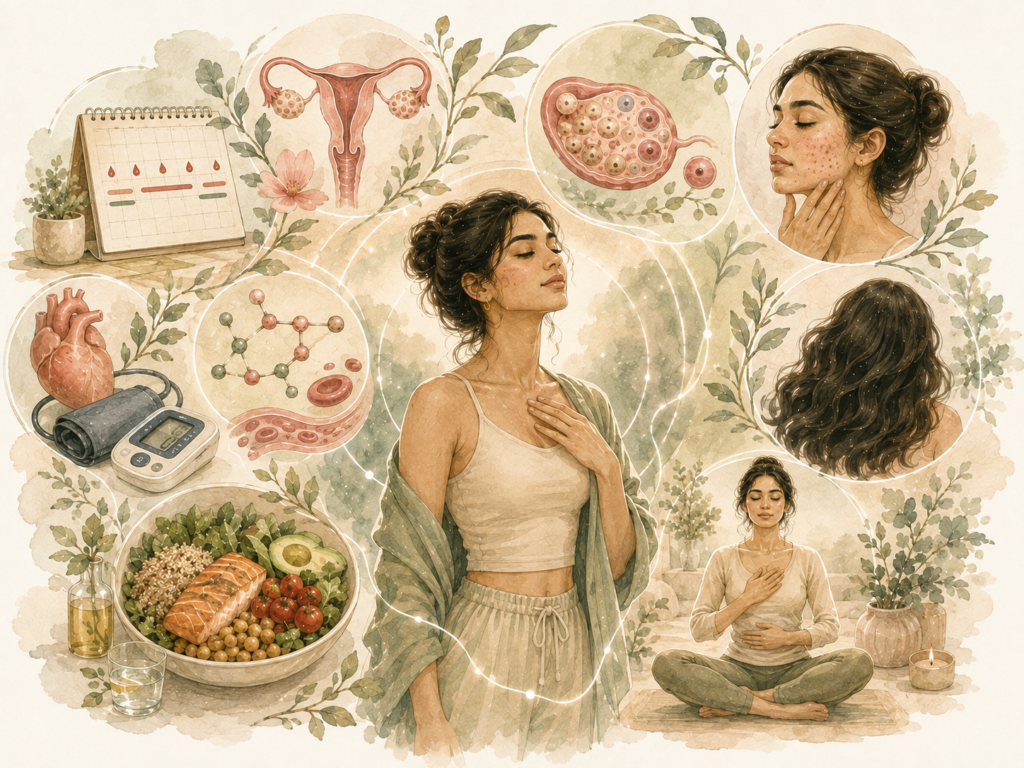
PCOS can affect much more than your menstrual cycle.
The most recognizable signs include:
- Irregular periods
- Missed periods
- Irregular ovulation
- Acne
- Excess facial or body hair
- Scalp hair thinning
- Weight or metabolic changes
- Insulin resistance and related metabolic risk
- Darkened, thickened skin in some people
- Difficulty becoming pregnant
But PCOS looks different from person to person.
Having one symptom does not mean you have PCOS, and not having every symptom does not rule it out.
If you have persistent irregular periods, signs of androgen excess, difficulty conceiving, or several symptoms occurring together, speak with a healthcare professional. Proper evaluation can identify whether PCOS is present and whether another condition may be responsible.
With appropriate management and ongoing care, people with PCOS can successfully manage their symptoms, protect their long-term health, and—when pregnancy is desired—often achieve pregnancy with or without fertility treatment.
Medical Disclaimer
This article is intended for general educational purposes only and does not provide individualized medical advice, diagnosis, or treatment.
PCOS symptoms can overlap with other hormonal, reproductive, metabolic, and medical conditions. Do not diagnose or treat yourself based solely on information in this article.
If you are experiencing persistent menstrual irregularity, fertility difficulties, significant hair or skin changes, or other concerning symptoms, consult a qualified healthcare professional for an appropriate evaluation.
If you experience severe pain, heavy bleeding, fainting, chest pain, difficulty breathing, or another medical emergency, seek urgent medical care.
Sources & References
For this article, LifeMate prioritize authoritative medical sources and current clinical guidance, including:
- World Health Organization (WHO) — Polycystic ovary syndrome
- 2023 International Evidence-Based Guideline for the Assessment and Management of PCOS
- Monash University Centre for Health Research and Implementation — International PCOS Guideline resources
- National Institutes of Health (NIH) / NICHD — PCOS information
- American College of Obstetricians and Gynecologists (ACOG) — Women’s health and reproductive guidance