
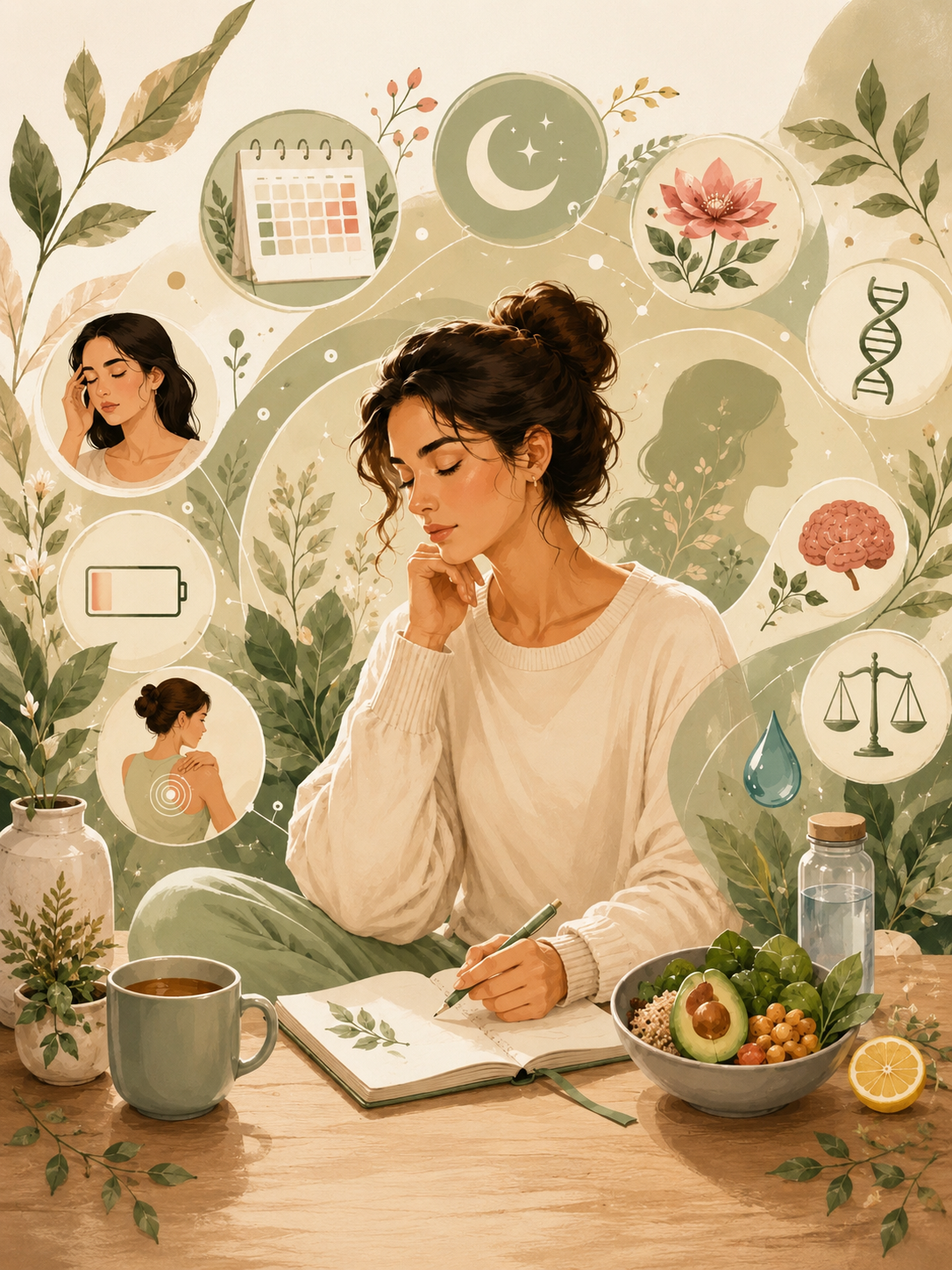
Hormones affect almost every aspect of a woman’s health, from menstrual cycles and fertility to mood, sleep, metabolism, and skin health. When hormone levels become imbalanced, the body often sends subtle warning signs long before a medical condition is diagnosed.
Recognizing these early symptoms can help you seek medical advice sooner, make informed lifestyle changes, and better understand what your body is telling you.
In this guide, we’ll explore 10 early signs of hormonal imbalance in women, common causes, when to seek medical attention, and practical steps that may help support hormonal health.
What Is Hormonal Imbalance?
Hormonal imbalance occurs when the body produces too much or too little of one or more hormones. Hormones are chemical messengers made by glands in the endocrine system that regulate many important functions, including your menstrual cycle, fertility, metabolism, sleep, mood, skin health, and energy levels.
Hormone levels naturally change throughout life, especially during puberty, pregnancy, postpartum, and menopause. However, persistent or significant hormonal changes may cause noticeable symptoms that can affect your overall well-being.
If these symptoms are frequent, severe, or interfere with your daily life, it’s important to speak with a qualified healthcare professional for proper evaluation and diagnosis.

1. Irregular Menstrual Cycles
One of the most common signs of hormonal imbalance is an irregular menstrual cycle. Your periods may arrive earlier or later than expected, become unusually heavy or light, or stop altogether.
Conditions such as polycystic ovary syndrome (PCOS), thyroid disorders, stress, or changes in estrogen and progesterone levels can all affect the regularity of your menstrual cycle.
If your periods remain irregular for several months, it’s a good idea to discuss your symptoms with a qualified healthcare professional.
2. Persistent Acne
Hormonal acne often appears along the jawline, chin, cheeks, and lower face. Unlike occasional breakouts, hormonal acne tends to be deep, painful, and may continue even with a good skincare routine.
Changes in androgen hormones can increase oil production, clog pores, and trigger inflammation.
If acne suddenly becomes severe or continues into adulthood, hormonal changes may be contributing.
3. Unexplained Weight Gain or Difficulty Losing Weight
Hormones play an important role in regulating metabolism and how your body stores fat.
When hormones become imbalanced, some women notice gradual weight gain despite maintaining the same eating habits and activity level.
Thyroid disorders, insulin resistance, PCOS, and elevated cortisol levels are among the conditions that may contribute to unexpected changes in body weight.

4. Constant Fatigue
Feeling tired after a busy day is normal, but ongoing fatigue that doesn’t improve with rest may be linked to hormone changes.
Hormones help regulate sleep, energy production, metabolism, and stress responses. When these systems become disrupted, many women experience persistent exhaustion throughout the day.
5. Mood Swings, Anxiety, or Depression
Hormones influence several brain chemicals involved in mood and emotional well-being.
Changes in estrogen, progesterone, or thyroid hormones may contribute to irritability, anxiety, sadness, or noticeable mood swings, particularly around menstruation, pregnancy, or menopause.
6. Hair Thinning or Hair Loss
Hormonal imbalance can affect the normal hair growth cycle.
Some women notice increased hair shedding while washing or brushing their hair, while others develop thinning around the scalp or widening of the hair part.
Hair loss may also occur alongside acne, irregular periods, or unwanted facial hair in certain hormonal conditions.
7. Sleep Problems
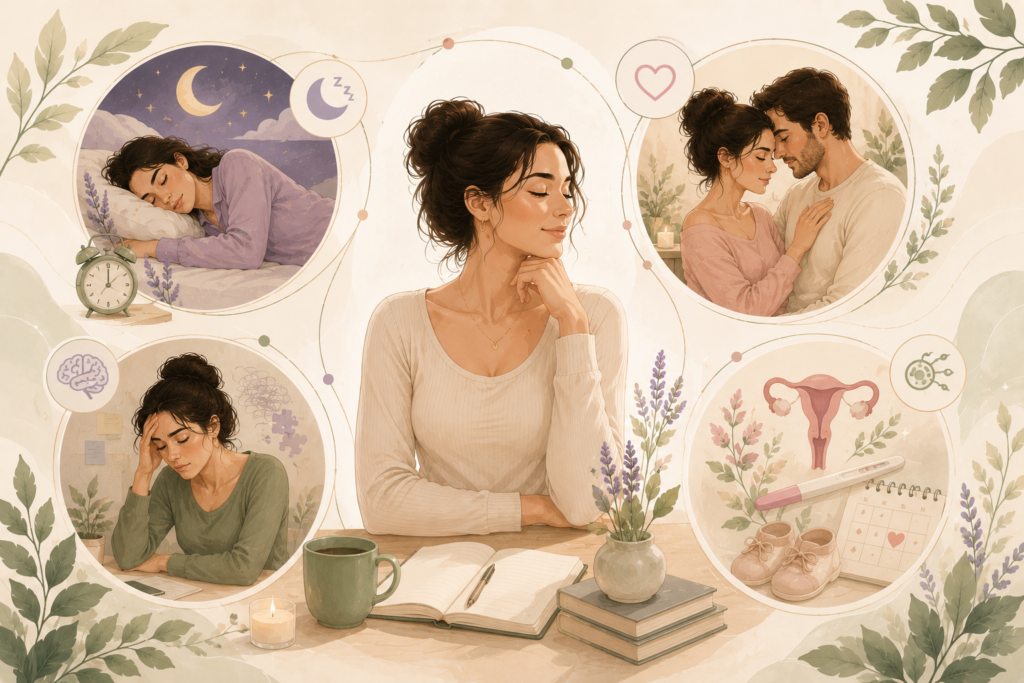
Difficulty falling asleep, waking frequently during the night, or poor sleep quality can sometimes be related to hormonal fluctuations.
Hormones such as melatonin, cortisol, progesterone, and estrogen all help regulate healthy sleep patterns.
8. Low Sex Drive
A noticeable decrease in sexual desire may be another sign of hormonal imbalance.
Changes in estrogen, testosterone, thyroid hormones, or chronic stress can affect libido as well as overall energy and emotional well-being
9. Brain Fog and Difficulty Concentrating
Many women describe hormonal imbalance as feeling mentally “foggy.”
You may have trouble concentrating, remembering information, or staying focused on daily tasks.
These symptoms may occur during menstrual cycles, pregnancy, perimenopause, menopause, or with certain hormonal disorders.
10. Difficulty Getting Pregnant
Hormones are essential for regular ovulation and reproductive health.
If you’re having difficulty conceiving after trying for an appropriate period, hormonal conditions such as PCOS, thyroid disorders, elevated prolactin, or problems affecting ovulation may be contributing factors.
A medical evaluation can help identify the underlying cause and guide appropriate treatment.
What Causes Hormonal Imbalance?
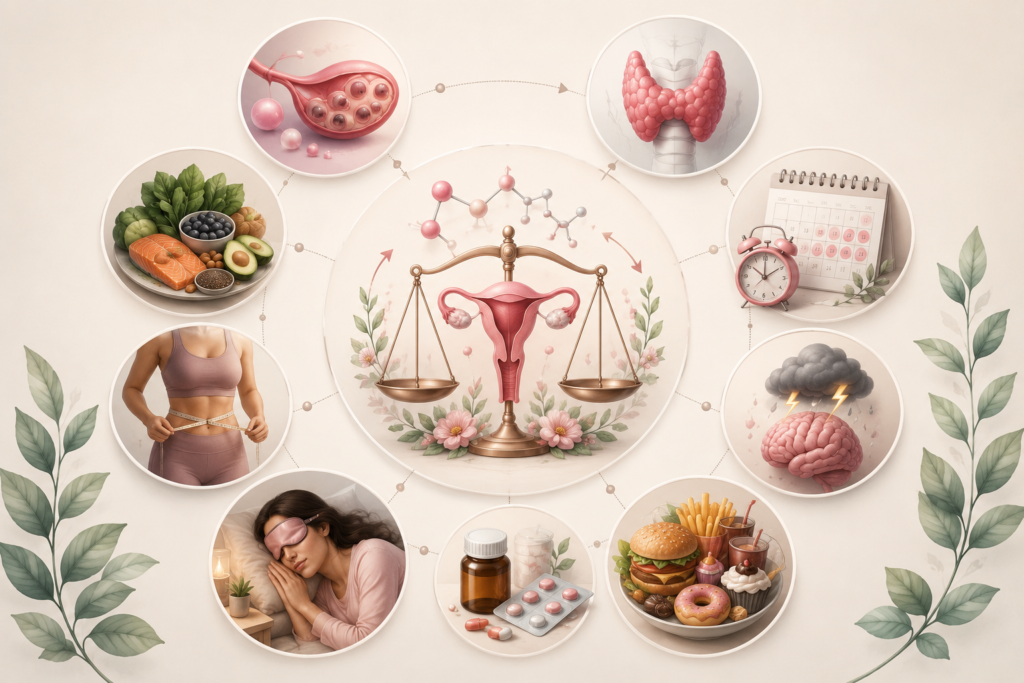
Hormonal imbalance can develop for many reasons. Sometimes it’s a normal part of life, while in other cases it may be linked to an underlying medical condition or lifestyle factors. Understanding the possible causes can help you identify patterns in your symptoms and have more informed conversations with your healthcare professional.
Below are some of the most common causes of hormonal imbalance in women.
PCOS (Polycystic Ovary Syndrome)
PCOS is one of the most common hormonal disorders affecting women of reproductive age. It can interfere with ovulation and increase androgen (male hormone) levels, leading to symptoms such as irregular periods, acne, unwanted facial hair, difficulty losing weight, and fertility problems.
Thyroid Disorders
Your thyroid gland produces hormones that regulate metabolism, energy levels, body temperature, and many other essential functions.
Both an underactive thyroid (hypothyroidism) and an overactive thyroid (hyperthyroidism) may contribute to hormonal symptoms, including fatigue, changes in weight, irregular menstrual cycles, hair loss, and mood changes.
Pregnancy, Postpartum, and Breastfeeding
Hormone levels naturally rise and fall throughout pregnancy and after childbirth. During this time, many women experience emotional changes, sleep disturbances, hair shedding, skin changes, and irregular menstrual cycles while the body gradually returns to its pre-pregnancy hormonal state.
Perimenopause and Menopause
As women approach menopause, estrogen and progesterone levels begin to fluctuate.
These hormonal changes may cause hot flashes, night sweats, irregular periods, mood swings, sleep problems, vaginal dryness, and changes in sexual desire.
Chronic Stress
Long-term stress increases cortisol, often called the body’s stress hormone.
Persistently elevated cortisol levels may affect other hormones involved in reproduction, metabolism, sleep, and mood, contributing to a wide range of symptoms.
Poor Sleep
Sleep is essential for healthy hormone production.
Not getting enough quality sleep may affect cortisol, melatonin, insulin, and reproductive hormones, making hormonal symptoms more noticeable over time.
Poor Nutrition
A balanced diet provides the nutrients your body needs to produce hormones and support overall health.
Highly processed foods, excessive sugar intake, nutrient deficiencies, and inconsistent eating habits may contribute to metabolic changes that influence hormonal balance.
Certain Medications and Medical Conditions
Some medications, as well as medical conditions affecting the adrenal glands, pituitary gland, ovaries, or thyroid, may also influence hormone production.
If symptoms begin shortly after starting a new medication, discuss your concerns with your healthcare professional rather than stopping treatment on your own.
How Is Hormonal Imbalance Diagnosed?

Diagnosing hormonal imbalance begins with understanding your symptoms and medical history. Because many hormonal conditions share similar symptoms, there isn’t a single test that can diagnose every hormonal disorder.
A healthcare professional may recommend one or more of the following:
- A detailed discussion about your symptoms and menstrual cycle.
- A physical examination.
- Blood tests to measure hormone levels, including thyroid hormones, reproductive hormones, blood sugar, and other relevant markers.
- Pelvic ultrasound if conditions such as PCOS are suspected.
- Additional tests depending on your age, symptoms, and medical history.
Getting an accurate diagnosis is important because treatment depends on identifying the underlying cause rather than treating symptoms alone.
How to Support Healthy Hormones Naturally

While some hormonal disorders require medical treatment, healthy lifestyle habits can support overall hormonal health and complement your healthcare provider’s recommendations.
Prioritize Quality Sleep
Aim for 7–9 hours of quality sleep each night. Maintaining a regular sleep schedule helps regulate hormones involved in metabolism, appetite, mood, and stress.
Eat a Balanced Diet
Include a variety of vegetables, fruits, whole grains, lean protein, healthy fats, legumes, nuts, and seeds.
These foods provide vitamins, minerals, fiber, and healthy fats that support normal hormone production and overall health.
Stay Physically Active
Regular physical activity can improve insulin sensitivity, support a healthy body weight, reduce stress, and promote better hormonal balance.
Choose activities you enjoy, such as walking, strength training, cycling, yoga, or swimming.
Manage Stress
Long-term stress can affect several hormones throughout the body.
Simple techniques such as deep breathing, meditation, journaling, spending time outdoors, or talking with trusted friends or family may help reduce stress levels.
Maintain a Healthy Weight
For some women, achieving and maintaining a healthy weight may improve symptoms associated with insulin resistance and certain hormonal conditions.
Avoid Smoking and Limit Alcohol
Smoking and excessive alcohol consumption may negatively affect hormone production and overall reproductive health
When Should You See a Doctor?

Hormonal changes are common during different stages of life, but persistent or severe symptoms should not be ignored. If your symptoms are affecting your daily life, work, relationships, or fertility, it’s a good idea to speak with a qualified healthcare professional.
You should consider seeking medical advice if you experience:
- Irregular or absent periods for several months
- Heavy or prolonged menstrual bleeding
- Difficulty getting pregnant after trying for an appropriate period
- Severe acne that doesn’t improve with treatment
- Rapid, unexplained weight gain or weight loss
- Excessive hair growth or significant hair loss
- Persistent fatigue, mood changes, or depression
- Symptoms that suddenly become worse or interfere with daily activities
Early evaluation can help identify conditions such as PCOS, thyroid disorders, menopause-related hormonal changes, or other underlying medical issues. Getting the right diagnosis allows you to receive appropriate treatment and prevent complications.
Frequently Asked Questions
Yes. Some hormonal imbalances can improve naturally, especially if they are related to temporary factors such as stress, poor sleep, pregnancy, or puberty. However, persistent symptoms should be evaluated by a healthcare professional to identify any underlying condition.
Yes. Long-term stress can increase cortisol levels, which may affect estrogen, progesterone, thyroid hormones, and other hormone systems, leading to symptoms such as irregular periods, fatigue, mood changes, and sleep problems.
A gynecologist is often the first specialist for women’s hormonal concerns. Depending on your symptoms, your doctor may also refer you to an endocrinologist, who specializes in hormone-related conditions.
Yes. Hormonal imbalances can interfere with ovulation and menstrual cycles, making it more difficult to conceive. Proper diagnosis and treatment may improve fertility outcomes.
A balanced diet rich in whole grains, lean protein, healthy fats, fruits, and vegetables may support hormone health. Good nutrition works best alongside regular exercise, quality sleep, and stress management.
Yes. Conditions affecting hormones such as insulin, thyroid hormones, cortisol, or estrogen may contribute to weight gain or make losing weight more challenging.
Diagnosis usually involves reviewing your symptoms, medical history, a physical examination, and, when appropriate, blood tests or imaging studies to identify the underlying cause
Conclusion
Hormonal imbalance can affect many aspects of a woman’s health, including menstrual cycles, fertility, mood, sleep, skin, metabolism, and overall well-being. While occasional hormonal fluctuations are a normal part of life, persistent or worsening symptoms should not be ignored, as they may indicate an underlying condition that requires medical attention.
Recognizing the early signs of hormonal imbalance allows you to seek timely medical advice and make informed lifestyle changes that support long-term hormone health. Eating a balanced diet, staying physically active, managing stress, getting enough sleep, and working closely with a qualified healthcare professional can all play an important role in maintaining hormonal balance.
If you’re experiencing several of the symptoms discussed in this guide, consider scheduling an appointment with your healthcare provider for a proper evaluation. Early diagnosis and appropriate treatment can help improve your quality of life, protect your reproductive health, and prevent potential complications.
Medical Disclaimer
The information provided in this article is intended for educational and informational purposes only. It should not be considered a substitute for professional medical advice, diagnosis, or treatment.
Hormonal imbalance can have many possible causes, and symptoms may vary from person to person. Always consult a qualified healthcare professional if you experience persistent, severe, or concerning symptoms, or before making significant changes to your diet, exercise routine, medications, or treatment plan.
LifeMate is committed to providing evidence-based health information, but no online article can replace personalized medical care. If you believe you may be experiencing a medical emergency, seek immediate medical attention or contact your local emergency services.
Sources & References
This article was prepared using information from trusted medical organizations and evidence-based clinical resources, including:
- World Health Organization (WHO)
- National Health Service (NHS)
- Mayo Clinic
- Cleveland Clinic
- American College of Obstetricians and Gynecologists (ACOG)
- Endocrine Society
- Office on Women’s Health (U.S. Department of Health & Human Services)
- MedlinePlus (U.S. National Library of Medicine)
LifeMate regularly reviews and updates its health content to reflect current medical knowledge and clinical guidelines.
1 thought on “10 Early Signs Of Hormonal Imbalance In Women”