
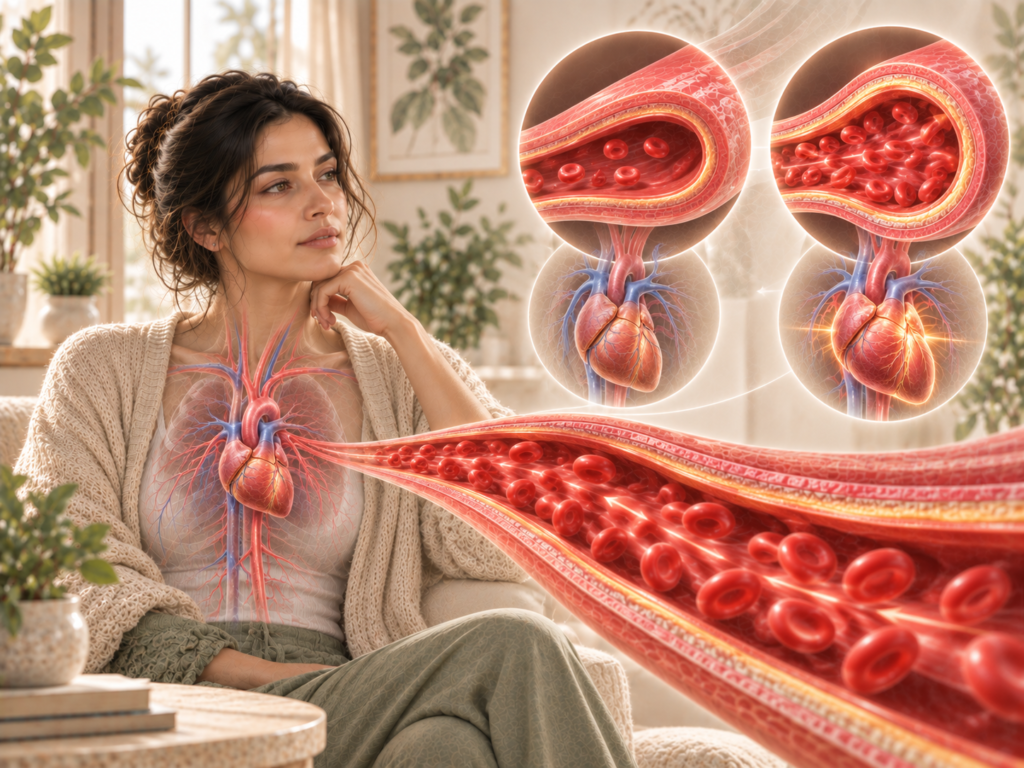
High blood pressure, also called hypertension, is one of the most important health conditions to understand because it can quietly affect the body for years without causing obvious symptoms.
You may feel completely well while your blood pressure remains consistently higher than it should be.
That is why high blood pressure is often described as a “silent” condition. The only reliable way to know whether your blood pressure is too high is to have it measured.
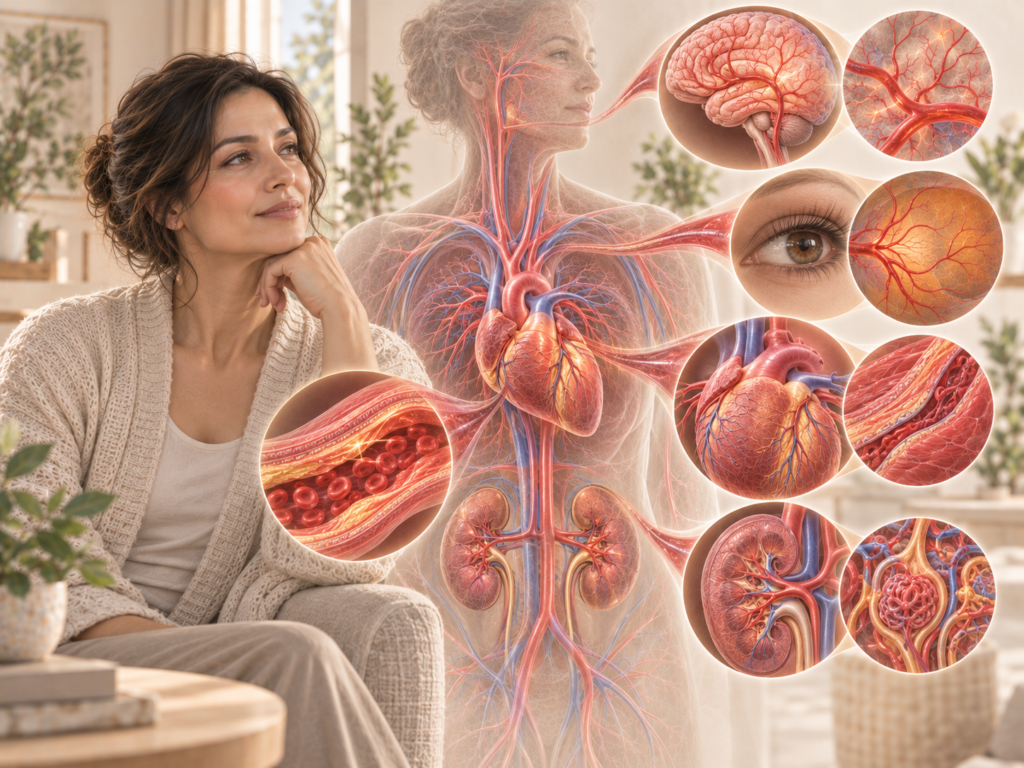
When blood pressure stays elevated over time, it places additional stress on the walls of the arteries and increases the risk of problems involving the heart, brain, kidneys, eyes and blood vessels. High blood pressure is a major risk factor for heart disease and stroke.
The good news is that hypertension can often be detected with a simple blood-pressure measurement, and there are effective lifestyle changes and medications that can help control it.
In this guide, you’ll learn what high blood pressure actually means, whether it causes symptoms, what the numbers mean, what causes hypertension, how it is diagnosed, how it can affect the body, and when a very high reading requires urgent medical attention.
What Is Blood Pressure?
Blood pressure is the force of circulating blood pushing against the walls of your arteries.
Every time your heart beats, it pumps blood through the body’s blood vessels. Blood pressure naturally rises and falls as the heart beats and then relaxes.
A blood-pressure reading contains two numbers.
For example:
120/80 mm Hg
The first number is the systolic blood pressure.
The second number is the diastolic blood pressure.
What Is Systolic Blood Pressure?
The systolic number is the top number.
It represents the pressure against your artery walls when your heart contracts and pumps blood.
For example, in a reading of 120/80:
120 = systolic pressure
What Is Diastolic Blood Pressure?
The diastolic number is the bottom number.
It represents the pressure in your arteries while the heart relaxes between beats.
In 120/80:
80 = diastolic pressure
Both numbers matter.
A person can have a high systolic pressure, a high diastolic pressure, or both.
What Blood Pressure Numbers Are Considered High?
For nonpregnant adults, current American Heart Association/American College of Cardiology categories classify blood pressure as follows:
| Blood Pressure Category | Systolic | Diastolic |
|---|---|---|
| Normal | Less than 120 | And less than 80 |
| Elevated | 120–129 | And less than 80 |
| Stage 1 Hypertension | 130–139 | Or 80–89 |
| Stage 2 Hypertension | 140 or higher | Or 90 or higher |
| Severe Hypertension | Higher than 180 | And/or higher than 120 |
If the systolic and diastolic numbers fall into different categories, the higher category generally determines the classification.
These categories are useful for understanding your numbers, but a healthcare professional should confirm a diagnosis of hypertension.
One High Reading Does Not Automatically Mean You Have Hypertension
Blood pressure changes throughout the day.
It can temporarily rise because of:
- Exercise
- Stress
- Anxiety
- Caffeine
- Smoking
- Pain
- Certain medications
- An incorrectly fitted cuff
- Talking during the measurement
- Poor positioning
A diagnosis is generally based on multiple properly obtained measurements, often on more than one occasion. Home or ambulatory monitoring may also help identify differences between blood pressure in a medical office and blood pressure in everyday life.
Can High Blood Pressure Cause Symptoms?
Usually, no.
This is one of the most important things to understand about hypertension.
Most people with high blood pressure do not experience noticeable warning signs.
You can have hypertension while:
- Feeling energetic
- Sleeping normally
- Exercising regularly
- Eating normally
- Having no headache
- Having no dizziness
- Feeling completely healthy
That means you cannot reliably tell whether your blood pressure is high based on how you feel.
You need to measure it.
Why Is High Blood Pressure Called a “Silent” Condition?
Imagine your arteries as flexible tubes carrying blood throughout your body.
When blood pressure is healthy, the arterial walls can accommodate the normal force of circulating blood.
When pressure remains too high for a long time, the arteries are repeatedly exposed to greater mechanical stress.
The problem is that this process may happen without producing a sensation you can recognize.
Meanwhile, the cardiovascular system, brain, kidneys and other organs may gradually be exposed to increased risk.
This is why regular blood-pressure checks are so important—even when you feel perfectly healthy.

What Are the Symptoms of High Blood Pressure?
Because hypertension often has no symptoms, you should be cautious about online lists claiming that common symptoms automatically mean your blood pressure is high.
Some symptoms can occur when blood pressure becomes extremely elevated or when complications develop, but symptoms such as headache or dizziness are not reliable ways to diagnose ordinary hypertension.
Possible symptoms associated with very high blood pressure or acute complications can include:
- Severe headache
- Shortness of breath
- Chest pain
- Changes in vision
- Weakness or numbness
- Difficulty speaking
- Confusion
- Severe dizziness
These symptoms are especially concerning when accompanied by a blood-pressure reading above 180/120 mm Hg.
Can High Blood Pressure Cause Headaches?
This is a common question.
Usually, mild or moderate hypertension does not cause a noticeable headache.
Severe elevations in blood pressure can be associated with headache, particularly when the elevation is accompanied by acute organ effects.
However, headaches are extremely common and have many possible causes.
A headache by itself does not tell you that your blood pressure is high.
If you have a new, severe or unusual headache—especially alongside neurological symptoms, chest pain, breathing difficulty or vision changes—seek urgent medical assessment.
Can High Blood Pressure Cause Dizziness?
Dizziness is not a reliable indicator of hypertension.
Many different conditions can cause dizziness, including:
- Dehydration
- Inner-ear disorders
- Low blood pressure
- Medication effects
- Low blood sugar
- Anemia
- Heart rhythm problems
- Anxiety
- Neurological conditions
If dizziness is persistent, severe or associated with fainting, weakness, difficulty speaking, chest pain or vision changes, medical evaluation is important.
Can High Blood Pressure Cause Blurred Vision?
Very high blood pressure can affect blood vessels supplying the eyes and may cause vision changes.
Long-term uncontrolled hypertension can also contribute to damage involving the small blood vessels of the eyes.
But blurred vision has many other possible causes, including refractive problems, diabetes, migraine and eye disease.
Sudden vision loss or a sudden major change in vision requires urgent medical attention.
Can High Blood Pressure Cause Nosebleeds?
Nosebleeds can occur for many reasons, including:
- Dry air
- Nose irritation
- Injury
- Nose picking
- Allergies
- Certain medications
- Nasal conditions
A nosebleed should not automatically be interpreted as evidence of hypertension.
Very high blood pressure may sometimes occur alongside a nosebleed, but the nosebleed itself is not a reliable way to detect high blood pressure.
What Causes High Blood Pressure?
There are two broad categories of hypertension:
- Primary hypertension
- Secondary hypertension
Primary Hypertension
Primary, or essential, hypertension develops gradually without one specific identifiable cause.
It results from a combination of genetic, environmental, metabolic and lifestyle factors.
Several risk factors can contribute.
Secondary Hypertension
Secondary hypertension occurs when another condition or medication contributes to elevated blood pressure.
Possible causes include:
- Kidney disease
- Certain hormonal disorders
- Sleep apnea
- Certain medications
- Some substances and drugs
- Problems affecting blood vessels
When hypertension develops unusually early, suddenly, becomes difficult to control or has other unusual features, a healthcare professional may investigate possible secondary causes.
Risk Factors for High Blood Pressure
Some risk factors cannot be changed.
Others can be modified.
Understanding the difference can help you focus on what you can realistically control.
Age
The risk of hypertension generally increases with age.
Blood vessels can become less flexible over time, and other age-related changes can contribute to rising blood pressure.
Family History
High blood pressure can run in families.
Genetic factors can influence blood pressure regulation and cardiovascular risk.
Physical Inactivity
Regular physical activity supports cardiovascular health and can help maintain healthier blood pressure.
A sedentary lifestyle can increase hypertension risk.
Excess Weight
Having overweight or obesity can increase the workload on the cardiovascular system and is associated with higher hypertension risk.
High-Sodium Eating Patterns
Consuming too much sodium can contribute to higher blood pressure, particularly in people who are salt-sensitive.
Reducing excessive sodium intake is one evidence-based approach to blood-pressure management.
Alcohol
Excessive alcohol intake can raise blood pressure and contribute to other cardiovascular risks.
Tobacco Use
Smoking damages blood vessels and increases cardiovascular risk.
Diabetes
Diabetes and hypertension frequently occur together.
Having both conditions increases cardiovascular and kidney risks, making control of both particularly important.
The ADA identifies hypertension as a major risk factor for cardiovascular disease, heart failure and microvascular complications in people with diabetes.
Kidney Disease
The kidneys play an important role in regulating blood pressure.
Kidney disease can contribute to hypertension, while uncontrolled hypertension can also damage the kidneys.
This can create a harmful cycle.
Sleep Apnea
Obstructive sleep apnea is associated with increased hypertension risk.
People who snore loudly, have witnessed pauses in breathing during sleep or experience excessive daytime sleepiness may benefit from discussing sleep apnea evaluation with a healthcare professional.
Certain Medications
Some medications can raise blood pressure in certain people.
Examples can include some:
- Decongestants
- Nonsteroidal anti-inflammatory drugs
- Steroids
- Hormonal medications
- Other prescription medicines
Never stop prescribed medication without discussing it with your healthcare professional.
High Blood Pressure in Women
Women can develop hypertension at any age.
Some circumstances require particular attention.
Pregnancy
High blood pressure during pregnancy is medically important because pregnancy-related hypertension can affect both the pregnant person and baby.
Pregnancy has its own blood-pressure thresholds and treatment considerations, so do not apply the general nonpregnant adult categories to pregnancy without medical guidance.
Pregnancy-related hypertensive conditions include:
- Chronic hypertension
- Gestational hypertension
- Preeclampsia
- Eclampsia
A pregnant person with severe headache, vision changes, chest pain, abdominal pain, significant swelling or shortness of breath should seek urgent medical care.
Menopause
Blood pressure often becomes more difficult to control as women age.
Changes in body composition, vascular health and other factors around and after menopause can contribute to cardiovascular risk.
This is another reason regular blood-pressure monitoring becomes increasingly important with age.
High Blood Pressure in Men
Men can develop hypertension just like women.
Risk factors include:
- Age
- Family history
- Excess weight
- Physical inactivity
- High sodium intake
- Excess alcohol
- Smoking
- Diabetes
- Kidney disease
- Sleep apnea
Men with hypertension may have no symptoms.
That means feeling healthy is not evidence that blood pressure is normal.
How Is High Blood Pressure Diagnosed?
A healthcare professional diagnoses hypertension by looking at blood-pressure measurements over time, rather than relying on symptoms.
A typical evaluation may include:
- Blood-pressure measurements
- Medical history
- Medication review
- Family history
- Physical examination
- Assessment of cardiovascular risk
- Blood or urine tests when appropriate
- Additional testing when a secondary cause is suspected
Current guidance emphasizes confirming hypertension with multiple properly obtained measurements.
Why One High Blood Pressure Reading May Not Be Enough
Imagine you have been rushing to an appointment.
You drank coffee shortly beforehand, walked quickly into the clinic, feel nervous, sit down and immediately have your blood pressure measured.
Your reading may be temporarily higher.
This is one reason healthcare professionals often repeat measurements.
There is also white-coat hypertension, where blood pressure is higher in a medical setting than outside the clinic. Home or ambulatory monitoring can sometimes help identify this pattern.
Conversely, some people have masked hypertension, where clinic readings appear normal but blood pressure is higher outside the clinic.
This is why repeated and appropriately performed measurements can provide a much clearer picture.
How to Measure Blood Pressure Correctly at Home
Home monitoring can be useful, but technique matters.
Before measuring:
- Avoid smoking, exercise and caffeinated drinks for about 30 minutes beforehand.
- Empty your bladder.
- Sit quietly for about 5 minutes.
- Use a properly fitting upper-arm cuff.
- Place the cuff on bare skin.
- Keep your back supported.
- Keep both feet flat on the floor.
- Rest your arm on a surface so the cuff is around heart level.
- Do not talk during the measurement.
- Take two readings about one minute apart and record them.
The American Heart Association recommends these types of standardized practices for more reliable home measurements.

What Happens If High Blood Pressure Is Not Treated?
High blood pressure may not hurt today, but persistent hypertension can gradually damage the cardiovascular system.
The important concept is cumulative exposure.
The longer arteries and organs are exposed to elevated pressure, the greater the potential for damage.
Heart
Hypertension increases the workload placed on the heart.
Over time, the heart muscle may become thicker and stiffer.
Long-term hypertension contributes to increased risk of:
- Coronary artery disease
- Heart failure
- Heart attack
- Abnormal heart rhythms
Brain
High blood pressure is an important risk factor for stroke.
It can contribute to damage of blood vessels in the brain and increase the likelihood of both ischemic and hemorrhagic stroke.
Kidneys
The kidneys contain an extensive network of tiny blood vessels.
Persistent hypertension can damage these vessels and contribute to chronic kidney disease.
Kidney disease can then make blood pressure even more difficult to control.
Eyes
High blood pressure can damage small blood vessels supplying the retina.
This can contribute to vision problems and hypertensive eye disease.
Arteries
Long-term hypertension can contribute to changes in artery structure and cardiovascular disease.
This is one reason controlling blood pressure is about much more than improving a single number on a monitor.
When Is High Blood Pressure an Emergency?
This is an especially important section.
For adults who are not pregnant, a reading higher than 180 systolic and/or higher than 120 diastolic is considered severe hypertension.
If you obtain a reading this high:
Wait at least one minute and measure it again.
If it remains extremely high, contact a healthcare professional promptly.
However, if a reading above 180/120 is accompanied by symptoms suggesting acute organ injury—such as:
- Chest pain
- Shortness of breath
- Back pain
- Weakness or numbness
- Vision changes
- Difficulty speaking
this may represent a hypertensive emergency and requires emergency medical attention.
Do not wait for symptoms to become worse.
Important distinction
A very high reading without symptoms still needs prompt medical attention, but it is not automatically the same thing as a hypertensive emergency.
The emergency concern is particularly about severe blood pressure elevation accompanied by signs of acute organ damage.
Pregnancy is different: severe hypertension during pregnancy has different thresholds and requires urgent medical assessment.
How Is High Blood Pressure Treated?
Treatment depends on:
- Your average blood pressure
- Cardiovascular risk
- Age
- Diabetes
- Kidney disease
- Previous cardiovascular disease
- Other medical conditions
- Pregnancy status
- Medication tolerance
- Individual preferences
Treatment usually combines lifestyle measures with medication when medication is indicated.
The 2025 AHA/ACC guideline recommends lifestyle interventions for elevated blood pressure and hypertension and recommends medication according to blood-pressure level and individual cardiovascular risk.
Lifestyle Changes That Can Help Lower Blood Pressure
1. Follow a Heart-Healthy Eating Pattern
A diet rich in:
- Vegetables
- Fruits
- Whole grains
- Beans
- Lentils
- Nuts and seeds
- Fish
- Lean protein
can support cardiovascular health.
The DASH eating pattern is one evidence-based dietary approach specifically designed to help lower blood pressure.
2. Reduce Excess Sodium
Reducing excessive sodium intake can help lower blood pressure, especially in people who are salt-sensitive.
Instead of focusing only on the salt shaker, pay attention to major sources of sodium such as:
- Packaged foods
- Processed meats
- Instant noodles
- Salty snacks
- Restaurant meals
- Sauces
- Pickles
- Certain canned foods
3. Stay Physically Active
Regular physical activity can help lower blood pressure and improve cardiovascular fitness.
Walking, cycling, swimming, dancing and other moderate activities can all contribute.
If you have been inactive or have a medical condition, start at an appropriate level and discuss exercise with a healthcare professional when needed.
4. Work Toward a Healthy Weight
If you have overweight or obesity, even modest weight loss can improve blood pressure in many people.
The goal should be sustainable health—not extreme dieting.
5. Limit Alcohol
Excessive alcohol consumption can raise blood pressure.
Reducing alcohol intake can therefore be an important part of hypertension management.
6. Don’t Smoke
Smoking damages blood vessels and dramatically increases cardiovascular risk.
Quitting smoking is one of the most important things you can do for cardiovascular health.
7. Get Enough Sleep
Poor sleep can affect cardiovascular and metabolic health.
If you regularly snore loudly, wake up gasping, stop breathing during sleep or feel excessively sleepy during the day, discuss possible sleep apnea with a healthcare professional.
8. Manage Chronic Stress
Stress can temporarily raise blood pressure.
Long-term stress can also make healthy habits more difficult.
Helpful approaches can include:
- Regular physical activity
- Consistent sleep
- Relaxation techniques
- Time outdoors
- Breathing exercises
- Social connection
- Professional mental-health support when appropriate
Lifestyle changes work best when they are realistic enough to maintain.

What Medicines Are Used for High Blood Pressure?
When lifestyle changes are not enough—or when blood pressure or cardiovascular risk is sufficiently high—healthcare professionals may prescribe medication.
Common medication groups include:
- ACE inhibitors
- Angiotensin receptor blockers (ARBs)
- Calcium-channel blockers
- Thiazide-type diuretics
- Other medications when clinically appropriate
Some people need one medication.
Others require two or more medicines to reach their blood-pressure goal.
The best medication depends on the individual’s medical history, kidney function, other conditions, pregnancy status and potential side effects.
Never stop blood-pressure medication simply because you feel well.
Remember: hypertension often has no symptoms.
Feeling better does not necessarily mean your blood pressure has returned to a healthy range.
High Blood Pressure and Diabetes
High blood pressure and type 2 diabetes frequently occur together.
Both conditions can damage blood vessels and increase cardiovascular and kidney risks.
This makes blood-pressure control particularly important for people with diabetes.
If you’re also researching diabetes symptoms, read LifeMate’s guide to [Type 2 Diabetes Symptoms: Early Warning Signs, Causes & When to Get Tested].
This creates an important connection between two major metabolic and cardiovascular health topics.
High Blood Pressure and Kidney Health
The relationship between hypertension and kidney disease can work in both directions.
High blood pressure can damage the kidneys’ delicate blood vessels.
Kidney disease can then interfere with the body’s ability to regulate blood pressure.
As kidney function declines, hypertension may become more difficult to control.
This is one reason healthcare professionals may monitor kidney function when evaluating or treating hypertension.
How Can You Prevent High Blood Pressure?
You cannot control every risk factor.
You cannot change your age or family history.
But you can work on several modifiable factors.
Helpful habits include:
- Maintaining a healthy weight
- Eating a balanced, heart-healthy diet
- Limiting excessive sodium
- Staying physically active
- Avoiding tobacco
- Limiting alcohol
- Getting adequate sleep
- Managing stress
- Monitoring blood pressure when appropriate
- Managing diabetes and other medical conditions
Prevention is not about achieving perfect health.
It is about reducing cardiovascular risk through sustainable habits.
High Blood Pressure: What You Should Remember
High blood pressure is often silent.
You may have hypertension without headache, dizziness, chest discomfort or any other obvious warning sign.
That is why measuring blood pressure is more reliable than trying to identify hypertension from symptoms.
The major things to remember are:
- Blood pressure is recorded using systolic and diastolic numbers.
- Normal adult blood pressure is below 120/80 mm Hg.
- Hypertension begins at 130/80 mm Hg under current AHA/ACC categories.
- One isolated high reading does not necessarily establish a diagnosis.
- Repeated, correctly performed measurements are important.
- Long-term uncontrolled hypertension can damage the heart, brain, kidneys, eyes and blood vessels.
- Healthy lifestyle habits can reduce risk and help manage blood pressure.
- Medication may be necessary depending on your blood pressure and overall cardiovascular risk.
- A reading above 180/120 mm Hg requires prompt attention, particularly when accompanied by concerning symptoms.
- Pregnancy requires separate blood-pressure considerations.
Most importantly:
Don’t wait for symptoms to check your blood pressure.
Frequently Asked Questions About High Blood Pressure
Most people with high blood pressure have no noticeable symptoms. Severe hypertension or acute complications can cause symptoms such as chest pain, shortness of breath, vision changes, weakness, numbness or difficulty speaking.
Yes. In fact, this is extremely common. High blood pressure is often discovered during routine blood-pressure measurement rather than because someone feels unwell.
Under current AHA/ACC categories, blood pressure of 130/80 mm Hg or higher falls into the hypertension range. Stage 1 hypertension is 130–139 systolic or 80–89 diastolic, while stage 2 is 140 or higher systolic or 90 or higher diastolic.
Severe elevations in blood pressure can be associated with headache, but ordinary hypertension often causes no symptoms. A headache alone cannot tell you whether your blood pressure is high.
Often, it feels like nothing. You can have consistently elevated blood pressure while feeling completely normal. The only reliable way to know your blood pressure is high is to measure it.
Hypertension can develop through a combination of genetics, age, family history, excess weight, physical inactivity, high sodium intake, alcohol, smoking and other factors. Certain medical conditions and medications can also cause secondary hypertension.
A reading above 180/120 mm Hg is considered severe. If it remains that high, prompt medical attention is needed. If it occurs with chest pain, shortness of breath, weakness, numbness, vision changes or difficulty speaking, it may be a hypertensive emergency requiring emergency medical care.
Depending on your individual situation, helpful measures can include regular physical activity, a heart-healthy eating pattern, reducing excess sodium, maintaining a healthy weight, limiting alcohol, avoiding smoking, managing stress and taking prescribed medication correctly.
Conclusion
High blood pressure can be one of the easiest health conditions to overlook because it often produces no symptoms at all.
That does not mean it is harmless.
Persistently elevated blood pressure can place increasing stress on the arteries and raise the risk of heart disease, stroke, kidney disease and other complications.
The most useful thing you can do is know your numbers.
If you have not had your blood pressure checked recently, consider discussing regular monitoring with your healthcare professional—particularly if you have risk factors such as diabetes, kidney disease, excess weight, a family history of hypertension or low physical activity.
And if you get an unusually high reading, don’t immediately assume the worst. Sit quietly, use correct measurement technique and repeat the reading. But if your blood pressure remains extremely high—especially above 180/120 mm Hg—or you develop symptoms such as chest pain, breathing difficulty, weakness, vision changes or difficulty speaking, seek urgent medical care.
High blood pressure is manageable, and knowing your numbers gives you the opportunity to act before silent damage becomes a serious problem.
Medical Disclaimer
This article is for general educational and informational purposes only. It is not a substitute for professional medical advice, diagnosis or treatment.
Blood-pressure categories and treatment decisions can differ in pregnancy and in certain medical circumstances. Do not diagnose yourself or change prescribed medication based solely on this article.
If you repeatedly have elevated blood-pressure readings, speak with a qualified healthcare professional.
If your blood pressure is above 180/120 mm Hg and you have chest pain, shortness of breath, back pain, weakness, numbness, vision changes, difficulty speaking or another severe new symptom, seek emergency medical care immediately.
Sources & References
- American Heart Association — Blood Pressure Explained
- American Heart Association — 2025 High Blood Pressure Guideline: Top Things to Know
- Centers for Disease Control and Prevention — High Blood Pressure
- Centers for Disease Control and Prevention — High Blood Pressure Risk Factors
- Centers for Disease Control and Prevention — Measuring Your Blood Pressure
- American Diabetes Association — Standards of Care in Diabetes—2026, Cardiovascular Disease and Risk Management