
Losing weight does not mean you have to survive on tiny meals, eliminate carbohydrates, or give up every food you enjoy. A more sustainable approach is to choose nutritious foods that provide protein, fiber, vitamins, minerals, and enough volume to help you feel satisfied.
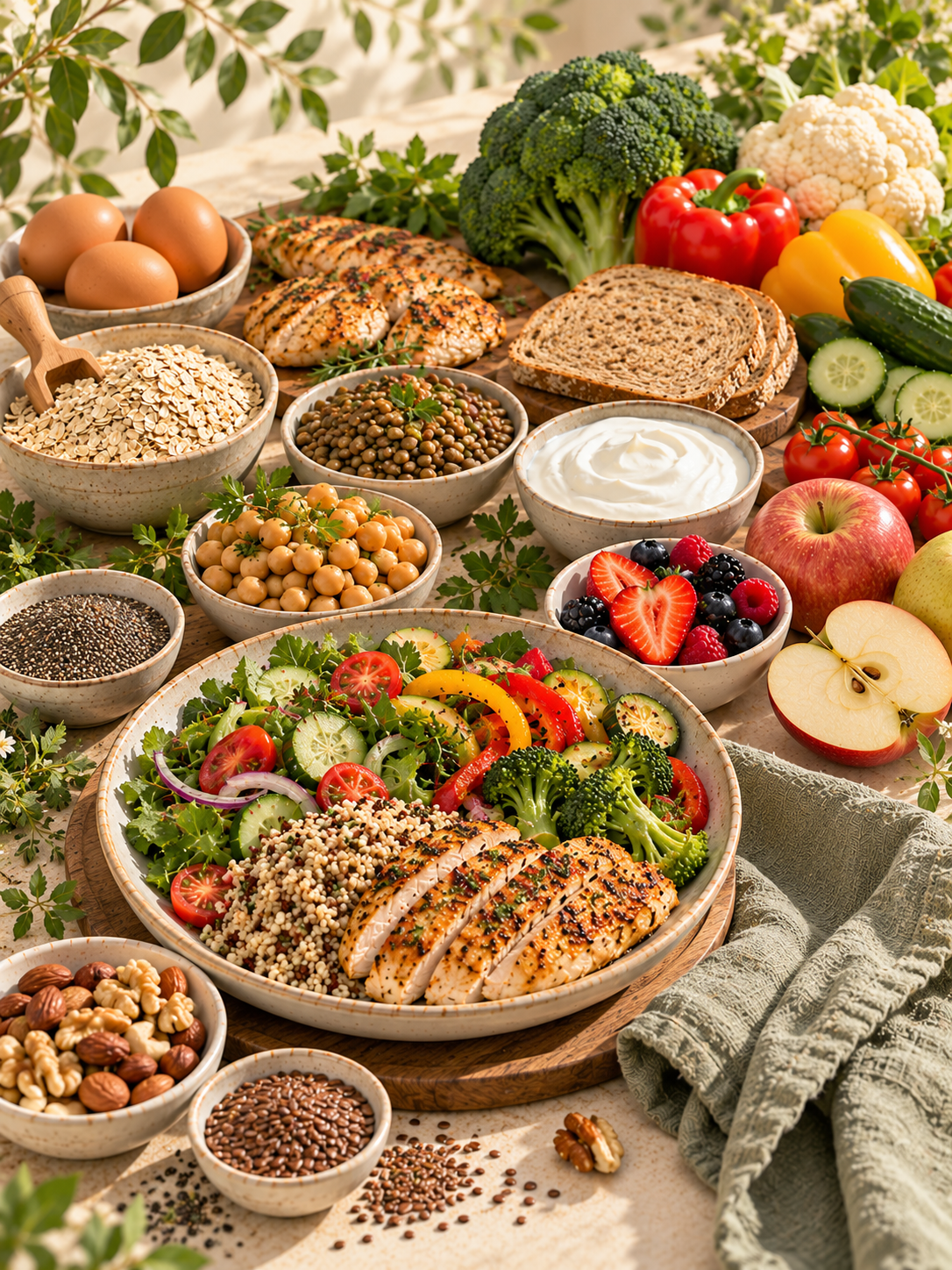
The best foods for weight loss are not necessarily expensive, exotic, or marketed as “diet foods.” Everyday ingredients such as eggs, chicken, lentils, yogurt, oats, beans, vegetables, and whole grains can all contribute to a balanced eating pattern.
However, no single food automatically burns body fat. Weight loss generally requires a consistent energy deficit, meaning your body uses more energy than you consume over time. Food choices can make this process easier by helping you manage hunger, maintain muscle, and meet your nutritional needs.
In this guide, you will discover 25 foods that can support healthy weight management, why they are useful, how to prepare them, and practical ways to combine them into satisfying meals.
How do foods support weight loss?
Before exploring the list, it helps to understand why some foods can make a weight-management plan easier to follow.
1. Protein helps make meals satisfying
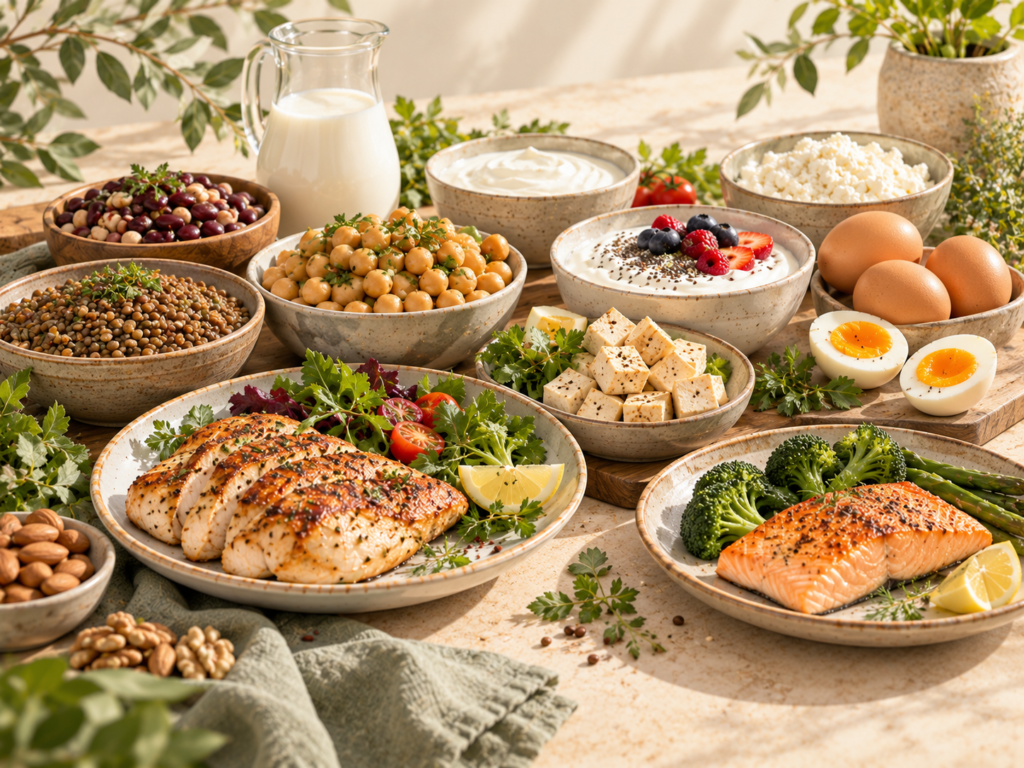
Protein-rich foods include eggs, chicken, fish, yogurt, tofu, and legumes. Protein supports the maintenance and repair of body tissues, including muscles. Including a suitable protein source in meals can also help you feel satisfied.
When losing weight, combining adequate protein with resistance exercise can help preserve muscle mass. Your individual protein needs depend on factors such as age, activity level, health conditions, and overall diet. 30 High-Protein Foods: Best Protein-Rich Foods to Add to Your Diet
2. Fiber supports fullness and digestive health
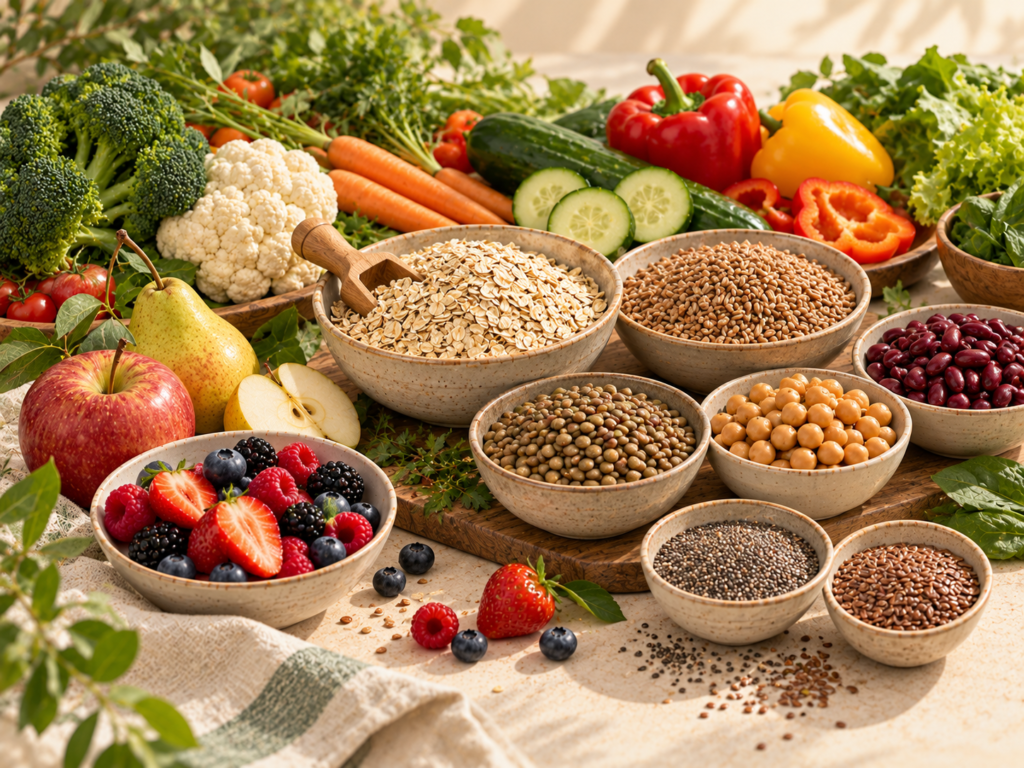
Fiber is found in foods such as lentils, beans, oats, vegetables, whole grains, seeds, and whole fruit. Some types of fiber absorb water or form a gel during digestion, while others help support regular bowel movements.
Increasing fiber gradually and drinking enough fluids can help you tolerate a higher-fiber eating pattern. If you currently eat very little fiber, add these foods over time rather than making a sudden, dramatic change. 25 High-Fiber Foods: Best Fiber-Rich Foods for Better Digestion
3. Food volume matters
Vegetables, broth-based soups, and whole fruits can provide substantial volume relative to their energy content. Including these foods in meals can help you eat a satisfying amount without relying entirely on calorie-dense ingredients.
This does not mean that every low-calorie food is automatically nutritious or that you should eat unlimited quantities. Variety, portions, and your overall dietary pattern still matter.
4. Balance makes a plan easier to maintain
A meal built around protein, vegetables or fruit, a fiber-rich carbohydrate, and a moderate amount of healthy fat can provide a broader range of nutrients than a meal consisting of only one food group. Healthy eating guidance recommends a variety of vegetables, fruits, protein foods, whole grains, and appropriate sources of fat.
25 best foods for weight loss
The foods below are useful options, not a mandatory shopping list. Choose the ones you enjoy, can afford, tolerate well, and can prepare consistently.
Category 1: Protein-rich foods
1. Eggs
Eggs provide high-quality protein and nutrients such as vitamin B12 and choline. They are also versatile enough for breakfast, lunch, or dinner.
How to eat them:
- Boil eggs for a convenient meal or snack.
- Make an omelet with mushrooms, peppers, onions, or other vegetables.
- Pair eggs with whole-wheat toast and plain yogurt for a more balanced meal.
Boiled, poached, or lightly cooked eggs can be useful choices. The total amount of oil, butter, cheese, and other additions affects the meal’s overall energy content.
2. Chicken breast
Chicken breast is a protein-rich option that works well in many eating patterns. It can help you build a satisfying meal without relying on large portions of fried or heavily processed meat.
How to eat it:
- Grill, bake, roast, or cook it in a nonstick pan.
- Add cooked chicken to a vegetable bowl or whole-wheat wrap.
- Prepare chicken curry using a measured amount of oil and serve it with vegetables and a suitable portion of roti or rice.
Chicken thighs and other cuts can also fit into a healthy diet. The cut, skin, cooking method, and portion size all affect the final meal.
3. Fish
Fish provides protein, and oily fish such as salmon, sardines, and mackerel also supply omega-3 fatty acids. More affordable options, including locally available fish, can work just as well as premium varieties for adding protein to meals.
How to eat it:
- Bake or grill fish with lemon, garlic, and spices.
- Serve it with vegetables and a portion of whole grains.
- Use fish in homemade patties or wraps instead of relying on deep-fried versions.
Fish does not directly melt body fat. Its value comes from its nutritional content and its place within a balanced diet.
4. Plain Greek-style yogurt
Plain Greek-style yogurt is often higher in protein than regular yogurt, although the exact amount depends on the product. It also provides calcium and can be an easy base for a filling snack or sauce.
How to eat it:
- Add it to a bowl with oats or seeds.
- Use it as a base for mint and coriander raita.
- Mix it with garlic, lemon, and herbs to make a creamy dressing.
Choose unsweetened yogurt when possible, and check the label because protein and added sugar vary among products.
5. Cottage cheese or paneer
Cottage cheese and paneer provide protein and calcium, but they are not identical nutritionally. Paneer can be higher in fat and energy, depending on how it is made.
How to eat them:
- Add cottage cheese to a savory bowl.
- Use a moderate portion of paneer in a vegetable curry.
- Combine either option with vegetables and a fiber-rich carbohydrate.
You do not need to avoid paneer to lose weight. Portion size and preparation matter more than labeling a food as universally “good” or “bad.”
Category 2: Beans, lentils, and other plant proteins
6. Lentils (daal)
Lentils provide plant-based protein, fiber, and several important micronutrients. They are budget-friendly, widely available, and easy to incorporate into everyday meals.
How to eat them:
- Prepare masoor, moong, or other lentil daal.
- Add lentils to vegetable soups.
- Combine daal with a modest portion of roti or rice and vegetables.
Daal can be a useful part of a weight-management plan. Pay attention to the amount of oil or ghee used in tempering, since these additions can substantially increase the energy content.
7. Chickpeas
Chickpeas contain both protein and fiber, making them a practical ingredient for filling meals. Canned chickpeas are convenient; dried chickpeas can be economical when soaked and cooked at home.
How to eat them:
- Make a chickpea and cucumber bowl.
- Add chickpeas to homemade curry.
- Blend them into hummus and serve with vegetables or whole-wheat bread.
If you use canned chickpeas, rinsing them can help reduce some of the added sodium.
8. Kidney beans
Kidney beans are rich in fiber and provide plant-based protein. They can be a useful alternative to meals built entirely around meat.
How to eat them:
- Make a bean curry with tomatoes, onions, and spices.
- Add cooked beans to a mixed vegetable bowl.
- Serve rajma with a suitable portion of rice and a side of vegetables.
Dried kidney beans must be prepared safely: soak and boil them thoroughly according to reliable food-safety guidance. Do not eat raw or undercooked kidney beans.
9. Tofu
Tofu is made from soybeans and supplies plant-based protein. Depending on the variety, it can also provide calcium and other nutrients.
How to eat it:
- Pan-sear tofu with a small amount of oil.
- Add it to vegetable stir-fries.
- Crumble it with spices for a filling wrap or scramble-style meal.
Tofu is a useful option for people who prefer vegetarian meals or want to vary their protein sources.
10. Edamame or soybeans
Edamame are young soybeans that provide protein and fiber. Mature soybeans and other minimally processed soy foods can also contribute to a nutritious eating pattern.
How to eat them:
- Steam edamame and season lightly.
- Add cooked soybeans to salads or grain bowls.
- Use unsweetened soy foods as an alternative protein source where suitable.
Choose the form you enjoy and can access. You do not need specialty products to build a healthy diet.
Category 3: Whole grains and fiber-rich carbohydrates
11. Oats
Oats contain soluble fiber, including beta-glucan, and can make a convenient breakfast. They are often more satisfying when paired with a protein source rather than prepared with large amounts of sugar alone.
How to eat them:
- Cook oats with milk or an appropriate fortified alternative.
- Add plain yogurt or a small portion of nuts or seeds.
- Try savory oats with an egg and vegetables.
Oats contain carbohydrates, but carbohydrates are not inherently incompatible with weight loss. Overall portions and the quality of the food pattern matter.
12. Whole-wheat roti or bread
Whole-wheat foods can provide more fiber than refined-grain alternatives, although products differ in how much whole grain they actually contain. Check the ingredient list for whole-wheat flour or whole grains.
How to eat them:
- Pair roti with daal, chicken, beans, or vegetables.
- Choose whole-wheat bread for an egg or chicken sandwich.
- Combine bread with a protein source rather than eating it alone if you find that more satisfying.
You do not have to eliminate roti or bread to lose weight. The amount you eat and what you eat alongside it both matter.
13. Brown rice
Brown rice is a whole grain that contains fiber and other nutrients from the grain’s bran and germ. It is one option among many, rather than a requirement for healthy eating.
How to eat it:
- Serve it with chicken, fish, beans, or daal.
- Combine it with vegetables in a homemade rice bowl.
- Measure a serving that fits your appetite and overall needs.
White rice can also fit into a balanced diet. Choose the type you enjoy and focus on the complete meal.
14. Barley
Barley provides fiber, including beta-glucan, and works well in soups and grain-based dishes. Its chewy texture can add variety to meals.
How to eat it:
- Add cooked barley to vegetable soup.
- Serve it as a grain side with a protein source.
- Mix it with beans and roasted vegetables for a hearty bowl.
If barley is unfamiliar, start by replacing a small part of your usual grain with it.
15. Air-popped popcorn
Plain air-popped popcorn is a whole-grain snack that provides volume and some fiber. Its nutritional profile changes when large amounts of butter, oil, sugar, or caramel are added.
How to eat it:
- Prepare popcorn with little or no added oil.
- Season it with spices or a small amount of salt.
- Portion it into a bowl rather than repeatedly eating from a large container.
Popcorn is a snack option, not a meal replacement. Pair it with other foods when you need a more substantial snack.
Category 4: Vegetables that add volume and nutrients
Vegetables can make meals larger and more varied while contributing fiber, vitamins, minerals, and water. Fresh, frozen, and suitable canned vegetables can all be useful choices.
16. Broccoli
Broccoli contains fiber and several vitamins and minerals. Its texture works well in hot meals, and it can add substantial volume to a plate.
How to eat it:
- Steam or roast it with garlic and black pepper.
- Add it to chicken or tofu stir-fries.
- Mix it into soups or whole-grain dishes.
If you do not enjoy broccoli, choose another vegetable. Consistency matters more than eating one specific food.
17. Cauliflower
Cauliflower is versatile and can be used in curries, roasted dishes, soups, and mixed vegetable meals.
How to eat it:
- Roast it with spices.
- Prepare a cauliflower and chickpea curry.
- Use finely chopped cauliflower alongside rice or other grains to add vegetables to the meal.
Cauliflower does not need to replace all your carbohydrates. It is simply another way to increase vegetable variety.
18. Cucumber
Cucumber contains a high proportion of water and is easy to add to meals. It contributes freshness and volume, although it is not a substantial protein source.
How to eat it:
- Add cucumber to a chickpea or chicken bowl.
- Make cucumber raita with plain yogurt.
- Serve cucumber slices alongside an egg sandwich or daal meal.
Cucumber is a useful addition, but eating cucumber alone is unlikely to provide enough nutrition for a complete meal.
19. Bell peppers
Bell peppers supply vitamin C and other plant nutrients. Their color and crunch can make meals more appealing without needing heavy sauces.
How to eat them:
- Add sliced peppers to an omelet.
- Cook them with chicken or tofu.
- Mix chopped peppers into beans, wraps, and grain bowls.
Use whichever colors and varieties are available and affordable.
20. Mushrooms
Mushrooms add savory flavor and texture to meals and can help increase vegetable variety. They provide some nutrients and are relatively low in energy when cooked without much added fat.
How to eat them:
- Add mushrooms to eggs or an omelet.
- Cook them with chicken, tofu, or other vegetables.
- Stir them into soups or whole-wheat pasta dishes.
Mushrooms are not a substitute for a full protein serving, but they pair well with protein-rich ingredients.
Category 5: Fruit, seeds, and other useful additions
21. Apples
Apples provide fiber, water, and naturally occurring sugars, along with various plant compounds. Whole apples are generally a more filling choice than drinking apple juice because they retain their structure and fiber.
How to eat them:
- Eat an apple as a snack.
- Pair apple slices with a small portion of nut butter.
- Chop an apple into plain yogurt or oats.
Fruit does not need to be avoided because it contains natural sugar. If you have a medical condition that requires individualized carbohydrate guidance, follow your healthcare professional’s advice.
22. Berries
Strawberries, blueberries, raspberries, and other berries provide fiber and a variety of vitamins and plant compounds. Fresh and frozen unsweetened berries can both be convenient options.
How to eat them:
- Add berries to plain yogurt.
- Mix them into oats.
- Serve them as part of a balanced snack.
If berries are expensive or unavailable, choose another whole fruit. You do not need a particular fruit to lose weight.
23. Pears
Pears provide fiber, particularly when eaten with their skin, and can be a convenient whole-fruit option.
How to eat them:
- Eat a whole pear as a snack.
- Slice it into oats or yogurt.
- Pair it with a small portion of nuts when you want a more substantial snack.
Wash fruit before eating and choose portions that fit your appetite and individual needs.
24. Chia seeds or ground flaxseeds
Chia and flaxseeds provide fiber and unsaturated fats. Flaxseeds also supply alpha-linolenic acid, a plant-based omega-3 fatty acid. Both seeds are energy-dense, so a modest portion is usually practical.
How to eat them:
- Stir chia seeds into yogurt or oats and allow them to absorb liquid.
- Add ground flaxseed to oatmeal or a smoothie.
- Mix a small amount into homemade yogurt-based sauces or breakfast bowls.
Increase fiber gradually and drink adequate fluids. Avoid swallowing large amounts of dry chia seeds, particularly if you have swallowing difficulties.
25. Nuts, such as almonds and walnuts
Nuts provide unsaturated fats, some protein, fiber, and several micronutrients. They are nutritious but energy-dense, so portion awareness is useful.
How to eat them:
- Add a small handful to a snack.
- Sprinkle chopped nuts over yogurt or oats.
- Use crushed nuts to add texture to vegetable or grain bowls.
You do not have to avoid nuts when trying to lose weight. Choose an amount that satisfies you without crowding out other important foods.
How to combine foods for a satisfying weight-loss meal
Individual foods can help, but the way you combine them often matters more than any single ingredient.
A practical starting point is to build a meal around:
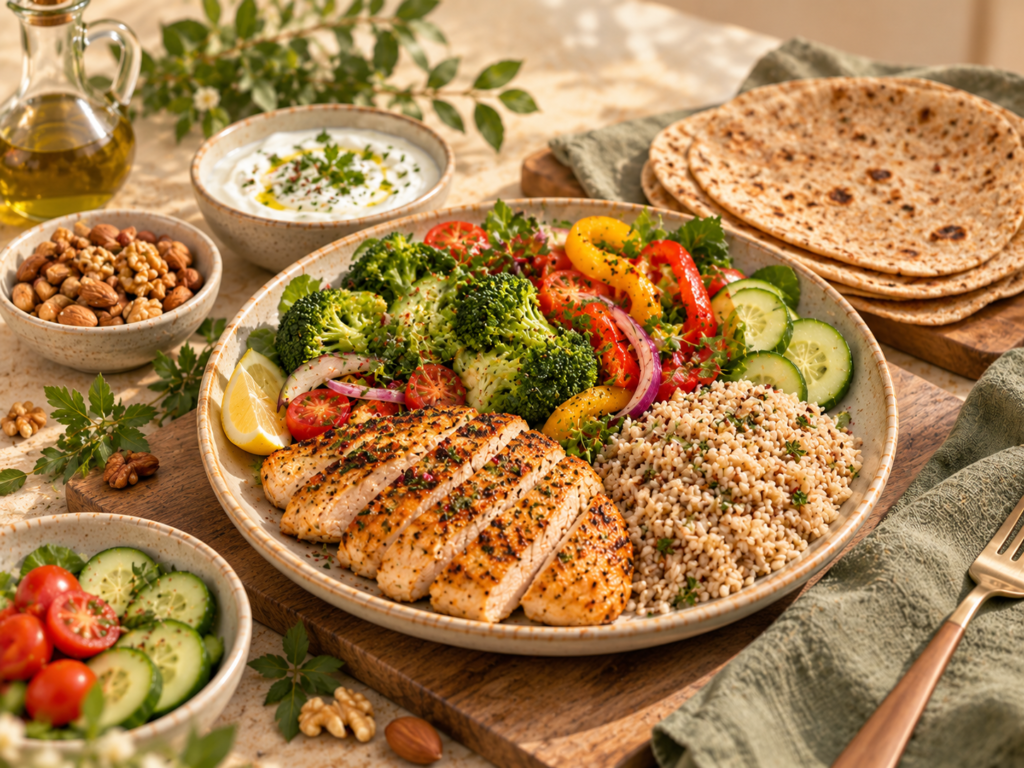
- Protein: eggs, chicken, fish, tofu, yogurt, beans, or lentils.
- Vegetables or fruit: choose options you enjoy and can eat regularly.
- Fiber-rich carbohydrates: oats, whole-wheat roti, whole-grain bread, barley, or rice.
- Healthy fats: nuts, seeds, or a measured amount of cooking oil.
You can adjust the portions to your energy needs, appetite, activity, cultural food preferences, and medical circumstances. This is a flexible guide, not a rigid rule that every meal must follow exactly.
Simple meal ideas using these 25 foods
Here are examples of how these ingredients can fit into an ordinary day. These are mix-and-match ideas, not a prescribed calorie plan.
| Meal | Example |
|---|---|
| Breakfast | Eggs with whole-wheat toast and cucumber |
| Breakfast alternative | Oats cooked in milk with plain yogurt or a small portion of seeds |
| Lunch | Chicken or chickpea bowl with vegetables and rice |
| Lunch alternative | Daal, roti, and a vegetable side |
| Snack | Apple with a small portion of nuts, or plain yogurt |
| Dinner | Fish, chicken, tofu, or beans with vegetables and a portion of whole grains |
| Vegetarian option | Lentil curry with vegetables and roti |
You do not need to eat all 25 foods every week. Start with a few affordable options, learn two or three easy ways to prepare them, and gradually expand your variety.
A practical grocery list
For a simple shopping trip, you could choose:
- Protein: eggs, chicken, fish, plain yogurt, lentils, chickpeas, or tofu.
- Vegetables: cucumber, cauliflower, broccoli, mushrooms, or bell peppers.
- Carbohydrates: oats, whole-wheat flour, whole-wheat bread, or rice.
- Fruit: apples, pears, or seasonal fruit.
- Extras: chia seeds, ground flaxseed, or nuts.
Frozen vegetables and suitable canned beans can also be convenient. Compare product labels where relevant, especially for added sugar, sodium, and preparation ingredients.
Common myths about foods for weight loss
Myth 1: Some foods burn fat directly
No individual food reliably causes meaningful body-fat loss simply because you eat it. Green tea, chili peppers, lemon water, and similar products are not substitutes for a sustainable eating pattern.
Myth 2: Carbohydrates prevent weight loss
Carbohydrates are found in foods with very different nutritional profiles. Lentils, oats, whole grains, fruit, and vegetables can all fit into a weight-management plan. You do not need to eliminate roti, rice, or fruit by default.
Myth 3: Healthy foods can be eaten in unlimited amounts
Foods such as nuts, seeds, oils, and nut butter contain valuable nutrients but can also provide substantial energy in small portions. Nutritious does not mean calorie-free.
Myth 4: Skipping meals always leads to faster results
Meal timing and frequency can be individualized. Skipping meals is not inherently necessary for weight loss, and it can make some people excessively hungry or leave them struggling to meet nutritional needs. Choose a routine that is safe, practical, and sustainable for you.
Myth 5: You need expensive diet foods
You can build nutritious meals with ordinary ingredients such as eggs, daal, chickpeas, seasonal vegetables, yogurt, oats, and whole-wheat roti. Specialty powders, bars, detox drinks, and imported “fat-burning” products are not required for a healthy eating pattern.
How to make healthy eating easier to maintain
A successful plan should work in your real life, not just on paper.
- Start with small changes. Add one protein-rich food or one extra vegetable to meals you already eat.
- Plan a few repeatable meals. Simple meals you enjoy are easier to prepare consistently.
- Pay attention to cooking methods. Grilling, baking, steaming, and measured amounts of oil can help manage energy intake without eliminating flavor.
- Eat enough. Severe restriction can make it harder to meet your protein, fiber, vitamin, and mineral needs.
- Notice your hunger and fullness. Eat at a pace that lets you recognize when you have had enough.
- Allow flexibility. Foods you enjoy can still fit into an overall healthy eating pattern.
- Look beyond the scale. Energy, strength, sleep, fitness, and how consistently you can follow your routine are also useful indicators of progress.
Weight management is influenced by more than food alone. Sleep, physical activity, medicines, health conditions, stress, and other factors can all affect the process. If your progress is slower than expected, it does not automatically mean you are doing something wrong. Healthy Weight Loss: A Beginner’s Guide to Losing Weight Safely
Frequently asked questions
Eggs, chicken, fish, plain yogurt, lentils, chickpeas, oats, whole grains, vegetables, whole fruit, and nuts can all support a nutritious weight-management plan. The best choices are those that provide useful nutrients, satisfy you, and fit your budget and preferences.
Protein-rich foods such as eggs, fish, chicken, yogurt, and tofu can help make meals satisfying. Fiber-rich foods such as lentils, beans, oats, vegetables, and whole fruit can also contribute to fullness. Combining protein, fiber, and appropriate portions often works better than relying on one food.
Cucumber, broccoli, cauliflower, mushrooms, bell peppers, and many other vegetables provide volume and nutrients for relatively little energy. Whole fruit, broth-based vegetable soups, and appropriately portioned lean proteins can also fit into meals designed around your needs.
Yes. Rice and roti can both fit into a healthy weight-loss plan. Choose portions that suit your needs and pair them with protein-rich foods and vegetables. You do not have to eliminate carbohydrates to manage your weight.
Eggs provide protein and several essential nutrients. They can be part of a satisfying breakfast or another meal. Their overall contribution depends on the rest of your diet and how they are prepared, including the amount of oil, butter, or other ingredients added.
For most people, whole fruit can be part of a healthy weight-management plan. Whole fruit provides fiber, water, and nutrients in addition to naturally occurring sugars. Whole fruit is generally preferable to juice when fullness and fiber are priorities. People with specific medical dietary requirements may need individualized advice.
No. Your body needs dietary fat, and foods such as nuts, seeds, fish, and certain oils provide useful nutrients. Because fats are energy-dense, portions can matter, but eliminating all fat is unnecessary and may make your diet less balanced.
There is no guaranteed timeline. Weight change depends on your overall eating pattern, energy intake, activity, sleep, health, medicines, and other factors. A gradual, sustainable approach is generally more likely to support long-term maintenance than extreme restriction. These foods can help you build a healthier eating pattern, but no individual food guarantees weight loss.
Conclusion
The best foods for weight loss are not magic ingredients. They are nutritious, practical foods that help you build satisfying meals while meeting your body’s needs.
Start with a few accessible options: eggs, chicken or lentils, plain yogurt, oats, whole-wheat roti, vegetables, and whole fruit. Combine them in ways you enjoy, pay attention to portions without becoming overly restrictive, and make changes you can maintain.
Healthy weight management is about more than eating less. It is about creating an eating pattern that supports your energy, nutrition, strength, and overall well-being over time.
Medical disclaimer
This article is intended for general educational purposes and does not replace individualized medical advice, diagnosis, or treatment. Nutritional needs differ from person to person. If you have diabetes, kidney disease, food allergies, a history of disordered eating, are pregnant or breastfeeding, or take medicines that affect appetite or blood sugar, consult a qualified healthcare professional before making substantial dietary changes. Seek personalized guidance if you are considering a restrictive diet or experiencing unexplained changes in weight.
Medical references and further reading
- Centers for Disease Control and Prevention (CDC). How to Have Healthier Meals and Snacks. Updated April 29, 2026.
CDC
- Centers for Disease Control and Prevention (CDC). Tips for Healthy Eating for a Healthy Weight. Updated April 29, 2026.
- National Institute of Diabetes and Digestive and Kidney Diseases (NIDDK). Eating & Physical Activity to Lose or Maintain Weight.
NIDDK
- Harvard T.H. Chan School of Public Health. Fiber: The Nutrition Source.
The Nutrition Source
- Harvard T.H. Chan School of Public Health. What Should You Eat?.
- Centers for Disease Control and Prevention (CDC). Steps for Losing Weight.