

Protein is one of the three major macronutrients your body needs every day. It helps provide the amino acids required to build and maintain tissues and is also involved in enzymes, hormones and other essential biological functions. World Health Organization
If you’re trying to eat more protein, you don’t have to rely on protein shakes, expensive supplements or enormous portions of meat.
Eggs, fish, chicken, yogurt, milk, lentils, beans, chickpeas, soy foods, nuts and seeds can all contribute protein to a balanced diet.
The best choices depend on your overall dietary pattern, nutritional needs, preferences, budget and health goals.
In this guide, LifeMate explains 30 high-protein foods, how they fit into a balanced diet, animal versus plant protein, high-protein foods for breakfast and weight management, vegetarian and vegan options, affordable protein sources, and how to increase your protein intake without neglecting the rest of your nutrition.
What Is Protein and Why Does Your Body Need It?
Protein is a macronutrient made from amino acids.
Your body uses amino acids to create and maintain many of its structural and functional components.
Protein is important for:
- Building and maintaining muscle tissue
- Repairing and maintaining body tissues
- Producing enzymes
- Producing many hormones and signaling molecules
- Supporting immune function
- Supporting normal growth and development
- Providing energy when needed
Protein isn’t only about muscles.
Your body uses protein throughout many different biological processes, which is why obtaining enough from your diet is an important part of overall nutrition. World Health Organization
Does everyone need the same amount of protein?
No.
Protein requirements vary according to factors such as:
- Age
- Body size
- Physical activity
- Growth
- Pregnancy
- Breastfeeding
- Health status
- Individual nutritional needs
Someone training regularly for muscle development may have different protein requirements from someone with a sedentary lifestyle.
Children and adolescents also have different nutritional requirements from adults.
So instead of assuming that one protein target is appropriate for everyone, it’s better to consider the whole person and the whole diet.
How Much Protein Do You Need Per Day?
There isn’t one universal protein number that applies to every person.
WHO’s current guidance states that 10–15% of total daily energy intake from protein is generally sufficient for healthy adults, which is approximately 50–75 grams of protein for a healthy-weight adult consuming around 2,000 calories per day. Protein needs can be higher in some situations, including adolescence and substantial muscle-building activity. World Health Organization
That example should not be interpreted as a personalized protein prescription.
Your actual requirement can be different.
For example, protein needs can change with:
- body size
- exercise
- pregnancy
- breastfeeding
- aging
- illness
- recovery from injury
- medical conditions
And more protein is not automatically better. Excessive protein intake can be inappropriate, particularly for people with certain health conditions. WHO notes that very high protein intake can place additional metabolic demands on the body, including the kidneys. World Health Organization
If you have kidney disease or another condition requiring dietary management, ask your doctor or registered dietitian about your individual protein needs.
30 High-Protein Foods to Add to Your Diet
There isn’t one food that wins the title of “healthiest protein.”
A nutritious diet is more useful when it contains different protein sources.
Below are 30 practical options, divided into animal foods, plant foods and other protein-rich choices.
High-Protein Animal Foods
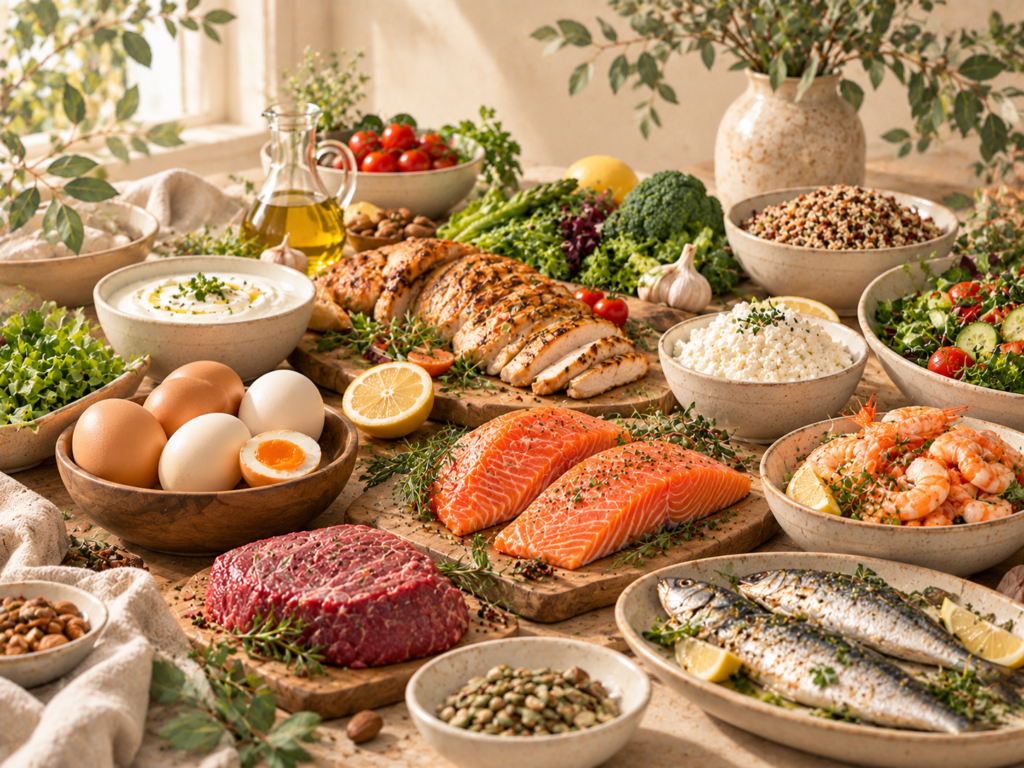
1. Chicken Breast
Chicken breast is a protein-rich food that is relatively lean, particularly when prepared without the skin and large amounts of added fat.
It can be used in:
- Salads
- Wraps
- Rice dishes
- Soups
- Stir-fries
- Sandwiches
- Curries
Preparation matters. Deep-frying or covering chicken in high-fat sauces can substantially change the overall nutritional profile of the meal.
2. Eggs
Eggs are a convenient source of protein and also provide several vitamins and minerals.
They’re particularly practical because they can be prepared quickly.
Try them as:
- Boiled eggs
- Omelets
- Scrambled eggs
- Egg sandwiches
- Vegetable omelets
Eggs can also make an inexpensive addition to meals.
3. Salmon
Salmon provides protein along with omega-3 fatty acids.
It’s a useful example of a food where the nutritional benefit isn’t simply about protein.
Other nutrients and the overall dietary pattern matter too.
4. Tuna
Tuna provides protein and can be convenient in salads, sandwiches and other meals.
If you eat canned tuna, pay attention to the type and preparation, including sodium content where relevant.
5. Sardines
Sardines provide protein and are also a source of omega-3 fatty acids.
They can be eaten with:
- Whole-grain toast
- Salads
- Rice
- Vegetables
- Whole-wheat roti
6. Lean Beef
Lean beef provides protein as well as nutrients such as iron, zinc and vitamin B12.
Choosing leaner cuts and keeping portions appropriate can help incorporate red meat into a balanced dietary pattern without making it the primary protein source at every meal.
7. Turkey
Turkey provides protein and can be used in sandwiches, salads, wraps and cooked meals.
When choosing processed turkey products, check the sodium content because processed meats can contain substantial amounts of salt.
8. Shrimp
Shrimp is a protein-rich seafood option that can be prepared in many ways.
Pairing it with vegetables and a high-fiber carbohydrate such as brown rice or another whole grain can create a more balanced meal.
9. Greek Yogurt
Greek yogurt is a convenient protein-containing food and can work well for breakfast or snacks.
Choose plain versions when possible if you want to avoid unnecessary added sugars.
You can combine it with:
- Berries
- Fruit
- Oats
- Chia seeds
- Nuts
10. Cottage Cheese
Cottage cheese provides protein and can be eaten alone or combined with other foods.
Try it with:
- Fruit
- Whole-grain toast
- Vegetables
- Eggs
- Salads
Check the nutrition label if sodium intake is a concern, because the amount can vary considerably between products.
High-Protein Plant Foods
Plant foods can contribute substantially to your protein intake.
They also bring other nutrients such as fiber, vitamins, minerals and beneficial plant compounds.
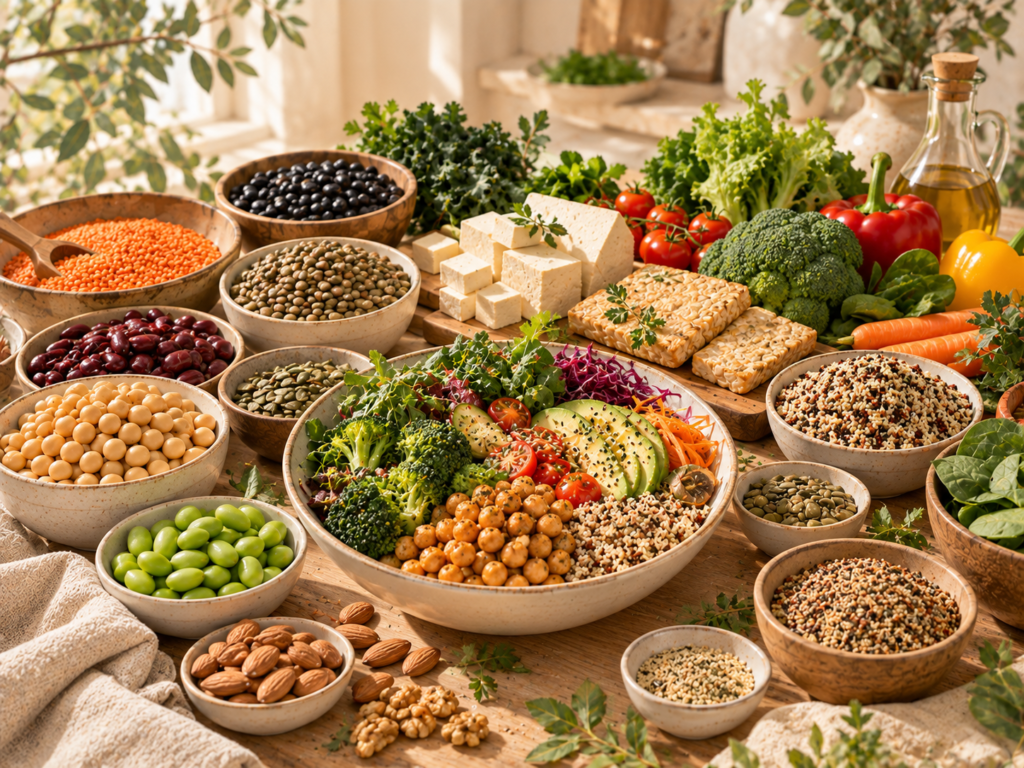
11. Lentils
Lentils are one of the most practical plant protein sources.
They’re also rich in dietary fiber and can be used in:
- Dal
- Soups
- Salads
- Curries
- Grain bowls
They’re particularly useful because they’re affordable and easy to store.
12. Chickpeas
Chickpeas provide plant protein and fiber.
You can use them in:
- Hummus
- Curries
- Salads
- Roasted snacks
- Soups
13. Black Beans
Black beans provide protein and fiber and can be used in soups, salads, bowls and other dishes.
Other varieties of beans can provide similar nutritional benefits.
14. Kidney Beans
Kidney beans are another useful combination of plant protein and fiber.
They’re commonly used in curries, rice dishes, salads and chili-style meals.
15. Soybeans
Soybeans are notable because they provide substantial protein and can be consumed in several forms.
Soy foods include:
- Tofu
- Tempeh
- Edamame
- Soy beverages
16. Tofu
Tofu is made from soybeans and can be prepared in both savory and sweet dishes.
It works well in:
- Stir-fries
- Curries
- Soups
- Rice bowls
- Salads
Its nutritional composition varies by product, so the label can be useful when comparing options.
17. Tempeh
Tempeh is another soy-based food with a firm texture and substantial protein content.
It can be:
- Grilled
- Stir-fried
- Baked
- Added to bowls
- Used in sandwiches
18. Edamame
Edamame refers to immature soybeans.
They’re useful as:
- Snacks
- Salad additions
- Bowl toppings
- Side dishes
They provide both protein and fiber.
19. Peanuts
Peanuts are technically legumes rather than tree nuts.
They provide protein, unsaturated fats and other nutrients.
Because they’re energy-dense, portions still matter if you’re monitoring overall calorie intake.
20. Almonds
Almonds provide protein along with unsaturated fats, fiber and several micronutrients.
They’re convenient as a snack or topping.
Again, because nuts are energy-dense, a small serving can be more appropriate than eating unlimited amounts.
Other Protein-Rich Foods
21. Pumpkin Seeds
Pumpkin seeds provide protein, healthy fats and minerals such as magnesium.
Sprinkle them over:
- Yogurt
- Oatmeal
- Salads
- Soups
22. Chia Seeds
Chia seeds provide some protein along with fiber and fats, including alpha-linolenic acid.
They can be added to:
- Yogurt
- Oatmeal
- Smoothies
- Chia pudding
They’re a useful nutritional addition, but they’re not a replacement for a major protein source when someone has substantially higher protein needs.
23. Hemp Seeds
Hemp seeds provide protein and unsaturated fats.
They’re easy to add to:
- Oatmeal
- Yogurt
- Smoothies
- Salads
24. Quinoa
Quinoa is a grain-like seed that provides protein and fiber.
It can replace or complement rice, couscous or other grains in many meals.
25. Oats
Oats aren’t usually considered a concentrated protein food, but they contribute meaningful protein along with carbohydrates and fiber.
Their protein contribution becomes more substantial when combined with:
oats + milk/yogurt + nuts/seeds
26. Whole-Grain Foods
Whole grains can contribute protein along with fiber and other nutrients.
Examples include:
- Whole-wheat bread
- Whole-wheat pasta
- Brown rice
- Barley
- Whole-grain cereals
They work particularly well when paired with legumes or other protein-rich foods.
27. Peanut Butter
Peanut butter provides protein and unsaturated fats.
Because it is calorie-dense, a modest serving can be enough.
Try it with:
- Whole-grain toast
- Oatmeal
- Apple
- Banana
Choose products with minimal unnecessary added ingredients when possible.
28. Milk
Milk provides protein as well as calcium and other nutrients.
Milk can be used in:
- Oatmeal
- Smoothies
- Coffee
- Cereal
- Sauces
Fortified plant beverages can provide similar nutrients, but their protein content varies by type.
29. Cheese
Cheese provides protein and calcium but can also be relatively high in saturated fat and sodium depending on the variety.
It can fit into a balanced diet in appropriate portions.
30. Plain Yogurt
Plain yogurt provides protein and can be a versatile snack or meal component.
Combine it with:
- Fruit
- Oats
- Seeds
- Nuts
Choosing plain yogurt can make it easier to control added sugar compared with many sweetened varieties.
Which High-Protein Foods Have the Most Protein?
A common mistake when comparing protein foods is to compare completely different serving sizes.
For example, comparing:
- 100 grams of cooked food
- one egg
- one tablespoon of seeds
- one cup of yogurt
doesn’t produce a meaningful apples-to-apples comparison.
Protein content also changes with:
- Cooking
- Water content
- Brand
- Food variety
- Serving size
- Preparation method
For that reason, when comparing foods, always look at the serving size used on the nutrition information.
A food doesn’t have to be the most concentrated protein source to be a valuable part of your diet.
Animal Protein vs Plant Protein: What’s the Difference?
Both animal and plant foods can contribute protein.
Animal protein sources include:
- Fish
- Chicken
- Eggs
- Meat
- Milk
- Yogurt
- Cheese
Plant protein sources include:
- Lentils
- Beans
- Chickpeas
- Soy
- Tofu
- Tempeh
- Nuts
- Seeds
Plant protein foods often bring additional fiber and other plant nutrients. Some animal protein foods, particularly fish, also provide valuable nutrients such as omega-3 fatty acids.
WHO’s current healthy-diet guidance supports obtaining protein from a mixture of animal and plant sources and notes that, for many adults, increasing the proportion of plant-based protein—particularly when replacing red meat—may have health advantages. World Health Organization
The practical answer isn’t that everyone must choose one category.
Variety is usually more useful than relying on a single protein source.
Can You Get Enough Protein From Plant Foods?
Yes, it is possible to obtain protein from plant foods.
Useful options include:
- Lentils
- Beans
- Chickpeas
- Soybeans
- Tofu
- Tempeh
- Edamame
- Nuts
- Seeds
- Whole grains
The important consideration is the overall dietary pattern.
Someone eating a vegetarian or vegan diet should pay attention not only to protein, but also to nutrients such as vitamin B12, iron, calcium, iodine and vitamin D depending on their diet and individual circumstances.
A varied plant-based diet can provide substantial nutrition, but highly restrictive diets may require professional guidance.
Best High-Protein Foods for Breakfast
If you struggle to eat enough protein during the day, breakfast can be an easy place to start.
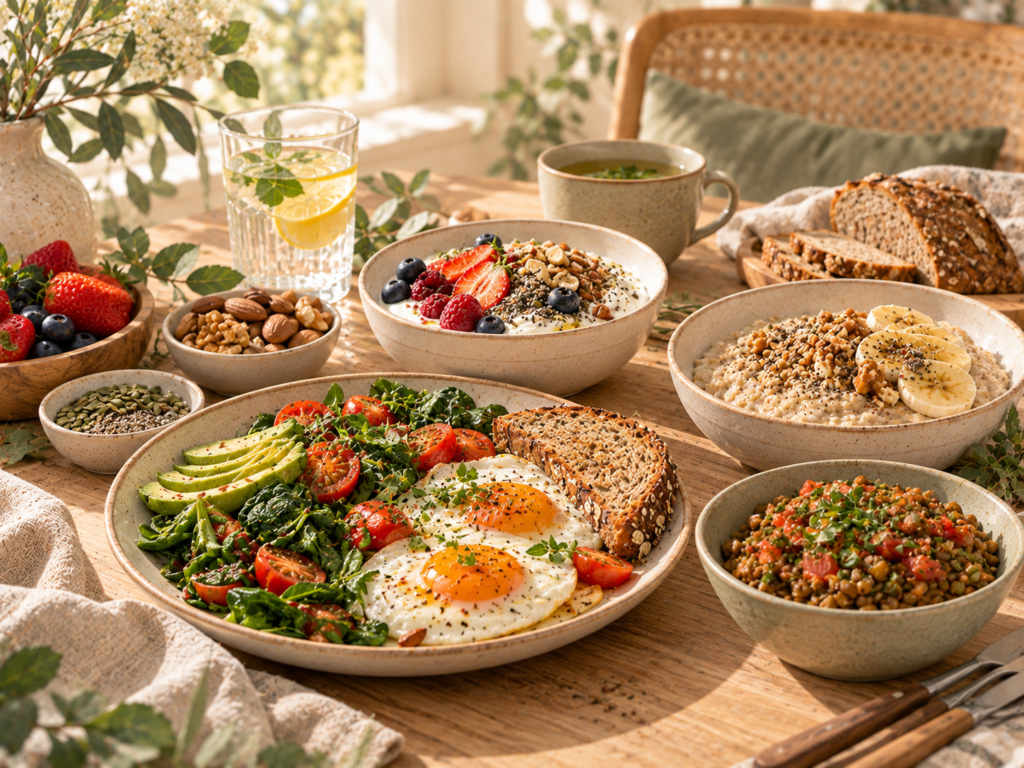
Option 1
Eggs + whole-grain toast + vegetables
Option 2
Plain Greek yogurt + berries + oats + chia seeds
Option 3
Oatmeal + milk + nuts + fruit
Option 4
Lentils + whole-wheat roti + yogurt
Option 5
Tofu scramble + vegetables + whole-grain toast
The goal isn’t to make breakfast extremely high in protein.
It’s to create a balanced meal that contains an appropriate protein source.
High-Protein Foods for Weight Management
Protein is often discussed in weight-loss diets because protein-containing foods can contribute to fullness and help maintain lean tissue during weight loss.
But high protein does not automatically mean weight loss.
Your overall energy intake, food choices, physical activity, sleep, medications, medical conditions and other factors also influence body weight.
A useful approach is to combine protein with:
- Vegetables
- Fruit
- High-fiber carbohydrates
- Appropriate portions of healthy fats
For example:
Chicken + vegetables + brown rice
can create a more nutritionally complete meal than simply eating a very large portion of chicken.
Similarly:
Lentils + vegetables + whole-grain roti
can provide protein, fiber and carbohydrates together.
The goal is balanced nutrition, not maximum protein at all costs.
High-Protein Foods for Muscle and Fitness
Protein is important for maintaining and building muscle, particularly when combined with appropriate resistance exercise.
Good food choices include:
- Eggs
- Chicken
- Fish
- Lean meat
- Greek yogurt
- Cottage cheese
- Milk
- Lentils
- Beans
- Tofu
- Tempeh
- Soy foods
People who train seriously may have protein needs that differ from those of sedentary adults.
However, eating increasingly large amounts of protein doesn’t replace:
- Resistance training
- Adequate calories
- Carbohydrates
- Healthy fats
- Sleep
- Recovery
- Overall nutritional adequacy
A strong diet supports the whole training process.

Best Vegetarian High-Protein Foods
If you don’t eat meat, poultry or fish, you still have many options.
Excellent choices include:
- Lentils
- Chickpeas
- Kidney beans
- Black beans
- Soybeans
- Tofu
- Tempeh
- Edamame
- Eggs, for people who eat them
- Greek yogurt
- Cottage cheese
- Milk
- Nuts
- Seeds
A vegetarian diet doesn’t need to be built around meat substitutes.
Whole and minimally processed plant foods can provide substantial nutritional value on their own.
Best Vegan High-Protein Foods
People following vegan diets can obtain protein from:
- Lentils
- Beans
- Chickpeas
- Tofu
- Tempeh
- Edamame
- Soybeans
- Peanuts
- Nuts
- Seeds
- Whole grains
The broader nutritional pattern matters.
Protein is only one part of a healthy diet, so a vegan eating pattern should also provide adequate sources of essential vitamins and minerals.
Vitamin B12 deserves particular attention because reliable dietary sources are limited in an entirely plant-based diet unless fortified foods or supplements are used.
Cheap High-Protein Foods on a Budget
Eating more protein doesn’t have to mean buying expensive steaks or supplements.
Some practical budget-friendly choices include:
Lentils
Affordable, shelf-stable and versatile.
Beans
Dried beans can be economical, while canned beans can save preparation time.
Chickpeas
Useful in curries, salads and hummus.
Eggs
Convenient and versatile.
Milk
A simple source of protein and other nutrients.
Plain Yogurt
Useful for breakfast, snacks and meals.
Peanuts
A relatively affordable source of protein and unsaturated fat.
Canned Fish
Tuna, sardines and other canned seafood can provide convenient protein, although sodium and product type should be considered.
USDA MyPlate’s budget guidance specifically identifies foods such as beans, eggs and canned fish as economical protein options.
How to Add More Protein to Your Diet
You don’t need to completely redesign your meals.
Try adding one protein source at a time.
At breakfast
Add:
- Eggs
- Yogurt
- Milk
- Nuts
- Seeds
At lunch
Add:
- Chicken
- Fish
- Lentils
- Beans
- Chickpeas
- Tofu
At dinner
Build the meal around:
protein + vegetables + whole grain/legume + healthy fat
For snacks
Try:
- Plain yogurt
- Boiled eggs
- Nuts
- Edamame
- Milk
- Fruit with peanut butter
Small changes can increase protein intake without turning every meal into a high-protein “fitness meal.”
How to Build a Balanced High-Protein Meal
A high-protein meal can still be nutritionally incomplete.
Instead of thinking:
“How much protein can I put on my plate?”
try thinking:
“What does this whole meal need?”
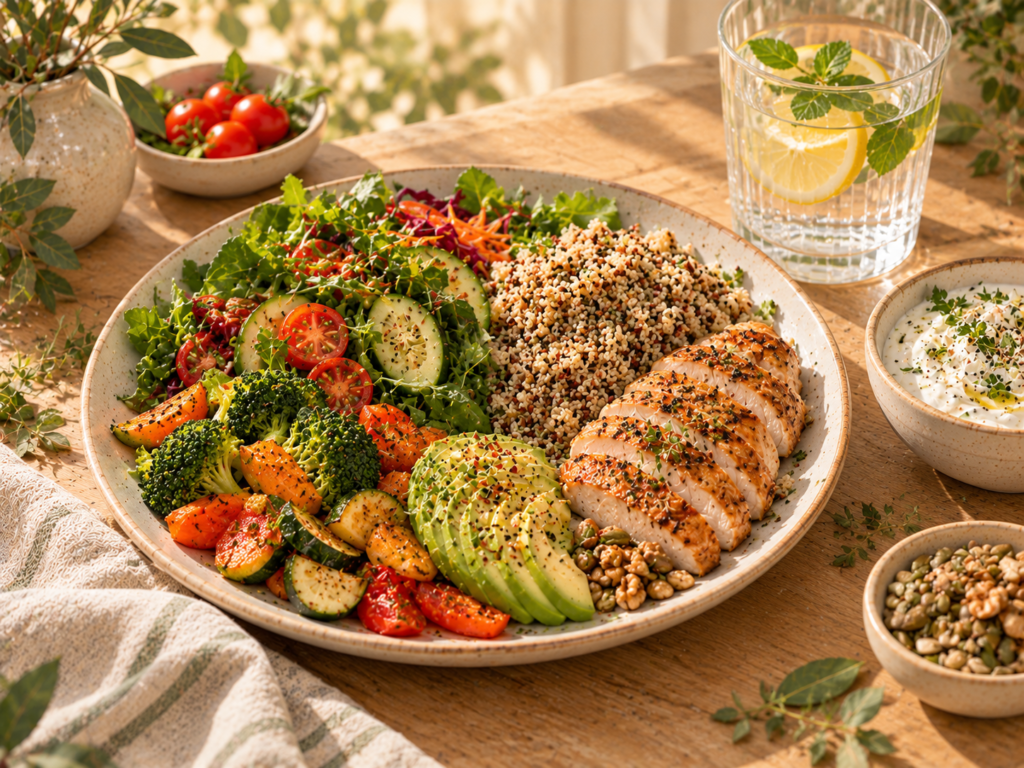
A practical formula is:
Protein
Vegetables or fruit
High-fiber carbohydrate
Healthy fat
For example:
Grilled chicken + vegetables + brown rice + avocado
or
Lentils + vegetables + whole-wheat roti + yogurt
or
Tofu + mixed vegetables + brown rice + sesame seeds
This approach connects protein back to the broader healthy-eating principles discussed in LifeMate’s Nutrition cornerstone article.
NIDDK similarly recommends combining vegetables and fruits with protein foods and whole grains when building healthy meals.
Do You Need Protein Powder or Protein Supplements?
Not necessarily.
Many people can meet their protein needs through ordinary foods.
Protein powder can be convenient in certain situations, especially when someone has difficulty meeting nutritional needs through meals alone, but convenience doesn’t make it nutritionally superior to whole foods.
Whole foods can provide protein alongside other nutrients such as:
- Fiber
- Vitamins
- Minerals
- Healthy fats
- Plant compounds
A protein supplement may also be inappropriate for some people depending on their health conditions, medications or dietary requirements.
If you have kidney disease or another condition that affects protein intake, speak with your healthcare professional before substantially increasing protein or using protein supplements.
Common High-Protein Diet Mistakes
1. Assuming more protein is always better
Protein is essential, but extremely high intake isn’t automatically healthier.
2. Forgetting fiber
A diet dominated by meat and protein shakes can become low in vegetables, fruit, legumes and whole grains.
3. Ignoring the quality of the protein food
A food can be high in protein while also being high in sodium or saturated fat.
4. Depending heavily on processed meat
Processed meat can be convenient, but it shouldn’t automatically become the primary protein source.
5. Replacing entire meals with protein shakes
Protein is only one component of nutrition.
6. Eating large portions without considering total energy intake
Protein foods still contain calories.
7. Avoiding plant protein
Beans, lentils, soy foods, nuts and seeds can all contribute to a varied protein intake.
8. Thinking protein alone builds muscle
Muscle development also requires appropriate training, energy, recovery and overall nutrition.
9. Ignoring medical conditions
Protein requirements can change with certain diseases and medical treatments.
10. Turning healthy eating into a restriction contest
The goal is adequate, balanced nutrition, not eating the maximum possible amount of protein.
When Should You Talk to a Doctor or Registered Dietitian?
General nutrition recommendations aren’t a substitute for individualized medical advice.
Speak with a healthcare professional or registered dietitian before making major dietary changes if you have:
- Kidney disease
- Liver disease
- Diabetes requiring individualized nutrition management
- Significant gastrointestinal disease
- Pregnancy or breastfeeding-related nutritional concerns
- A diagnosed nutrient deficiency
- An eating disorder
- Significant unintended weight loss
- Significant unintended weight gain
- A medically prescribed diet
People with kidney disease in particular should not independently adopt a very high-protein diet without discussing it with their healthcare team.
Frequently Asked Questions About High-Protein Foods
Good protein sources include eggs, fish, chicken, lean meat, yogurt, milk, lentils, beans, chickpeas, tofu, tempeh, soy foods, nuts and seeds. The best choices depend on your dietary preferences and nutritional needs.
Protein concentration varies according to the food, serving size and preparation method. Lean meats, fish, some dairy foods and certain soy products can provide concentrated amounts, while legumes, nuts, seeds and whole grains contribute protein alongside other nutrients.
Protein requirements vary by age, body size, activity level, pregnancy, breastfeeding and health status. WHO says 10–15% of total energy intake is generally sufficient for healthy adults, but individual needs can differ.
Protein-rich foods such as eggs, fish, chicken, yogurt, lentils, beans and tofu can fit into a weight-management diet. However, weight loss depends on overall energy balance and many other factors, not protein intake alone.
Lentils, beans, chickpeas, tofu, tempeh, edamame, soybeans, eggs and dairy foods are useful vegetarian protein sources. Nuts and seeds also contribute protein.
Yes. A varied plant-based diet can provide protein through legumes, soy foods, nuts, seeds and whole grains. People following restrictive diets should also pay attention to other essential nutrients.
Lentils, beans, chickpeas, eggs, peanuts, milk, yogurt and some canned fish can be practical lower-cost protein choices. Prices vary by location and season.
No. Many people can meet their protein needs through food. Protein supplements can be convenient in some circumstances, but they aren’t automatically necessary or superior to whole-food protein sources.
Conclusion:
The Best High-Protein Diet Is a Balanced One
Protein is an essential part of a healthy diet, but healthy eating is about more than protein alone.
A strong dietary pattern can include a variety of:
- Eggs
- Fish
- Chicken
- Yogurt
- Milk
- Lentils
- Beans
- Chickpeas
- Soy foods
- Nuts
- Seeds
- Whole grains
Rather than searching for one “perfect” protein food, build variety into your meals.
Pair protein with vegetables, fruits, whole grains or other high-fiber foods and appropriate healthy fats.
And remember: more protein isn’t automatically better. Your ideal intake depends on your individual needs, and people with certain medical conditions may require specific dietary guidance.
The goal isn’t to maximize one nutrient.
The goal is to build a diet that gives your body the nutrients it needs, in a pattern you can realistically maintain.
Medical Disclaimer
This article is intended for general educational purposes and does not provide individualized medical or nutritional advice.
Protein requirements vary between individuals. People who are pregnant or breastfeeding, have kidney or liver disease, have significant medical conditions, have an eating disorder, or follow a medically prescribed diet should consult a qualified healthcare professional or registered dietitian before making major dietary changes.
Do not substantially increase protein intake or begin supplements based solely on this article.
Sources & References
- World Health Organization (WHO). Healthy Diet. Updated January 26, 2026. World Health Organization
- World Health Organization & Food and Agriculture Organization (FAO). What are healthy diets? Joint statement. World Health Organization
- National Institute of Diabetes and Digestive and Kidney Diseases (NIDDK). Keep Active & Eat Healthy to Improve Well-being & Feel Great. NIDDK
- National Institute on Aging (NIA). Healthy Eating as You Age: Know Your Food Groups. National Institute on Aging
- USDA MyPlate. Meeting Your MyPlate Goals on a Budget. MyPlate
- USDA MyPlate. Eat Healthy on a Budget.