
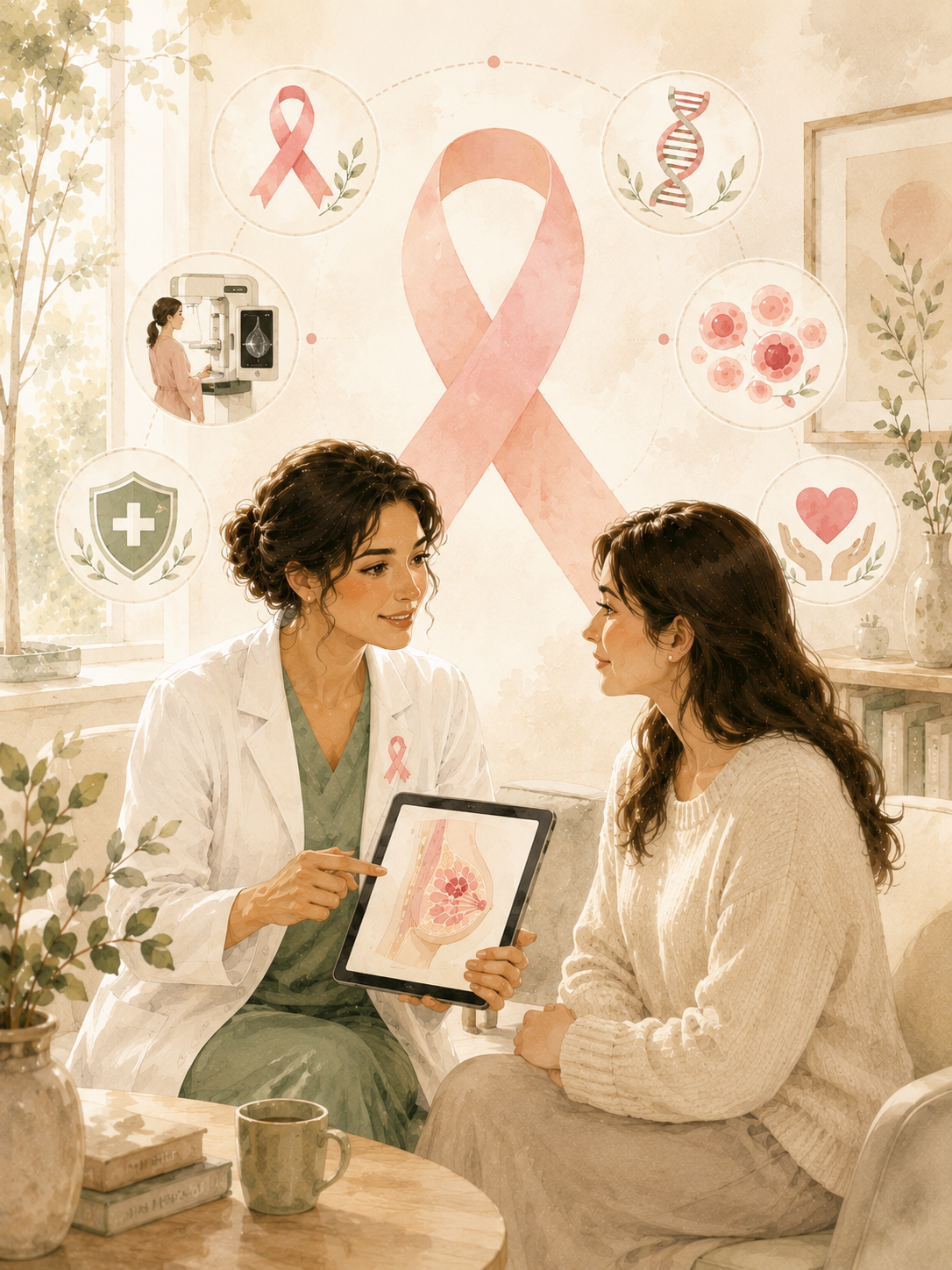
Breast cancer is one of the most common cancers affecting women worldwide. It occurs when abnormal cells in the breast begin to grow uncontrollably, forming a tumor that may spread to nearby tissues or other parts of the body if left untreated.
Although hearing the words “breast cancer” can feel frightening, advances in early detection, screening, and treatment have significantly improved outcomes. Many people diagnosed at an early stage go on to receive successful treatment and live long, healthy lives.
Knowing the warning signs, understanding your personal risk factors, and attending recommended screening appointments can help detect breast cancer earlier, when treatment is often most effective.
In this guide, you’ll learn about breast cancer symptoms, possible causes, risk factors, diagnosis, screening, treatment options, and practical ways to support your breast health.

What Is Breast Cancer?
Breast cancer develops when cells within the breast begin growing in an uncontrolled way. Normally, healthy cells grow, divide, and die in an orderly process. In breast cancer, some cells continue growing when they shouldn’t, forming a lump or tumor.
Not every breast lump is cancer. Many breast lumps are caused by non-cancerous conditions such as cysts or fibroadenomas. However, any new lump or unusual change in the breast should always be assessed by a healthcare professional.
Breast cancer can develop in different parts of the breast, including the milk ducts, milk-producing glands (lobules), or surrounding breast tissue. In some cases, cancer cells may spread to nearby lymph nodes or other areas of the body.
Early diagnosis often provides more treatment options and improves the chances of successful treatment.
Common Symptoms of Breast Cancer
The symptoms of breast cancer can vary from person to person. Some people notice a lump, while others may first observe changes in the skin or nipple.
Many women experience no symptoms during the early stages, which is why regular breast awareness and recommended screening are important.
Some of the most common symptoms include:
- A new lump in the breast or underarm
- Changes in breast size or shape
- Skin dimpling or puckering
- Nipple turning inward
- Unusual nipple discharge
- Redness or swelling of the breast
- Persistent breast pain in one area
- Swollen lymph nodes near the collarbone or underarm
Having one or more of these symptoms does not necessarily mean you have breast cancer, but they should be evaluated by a healthcare professional.
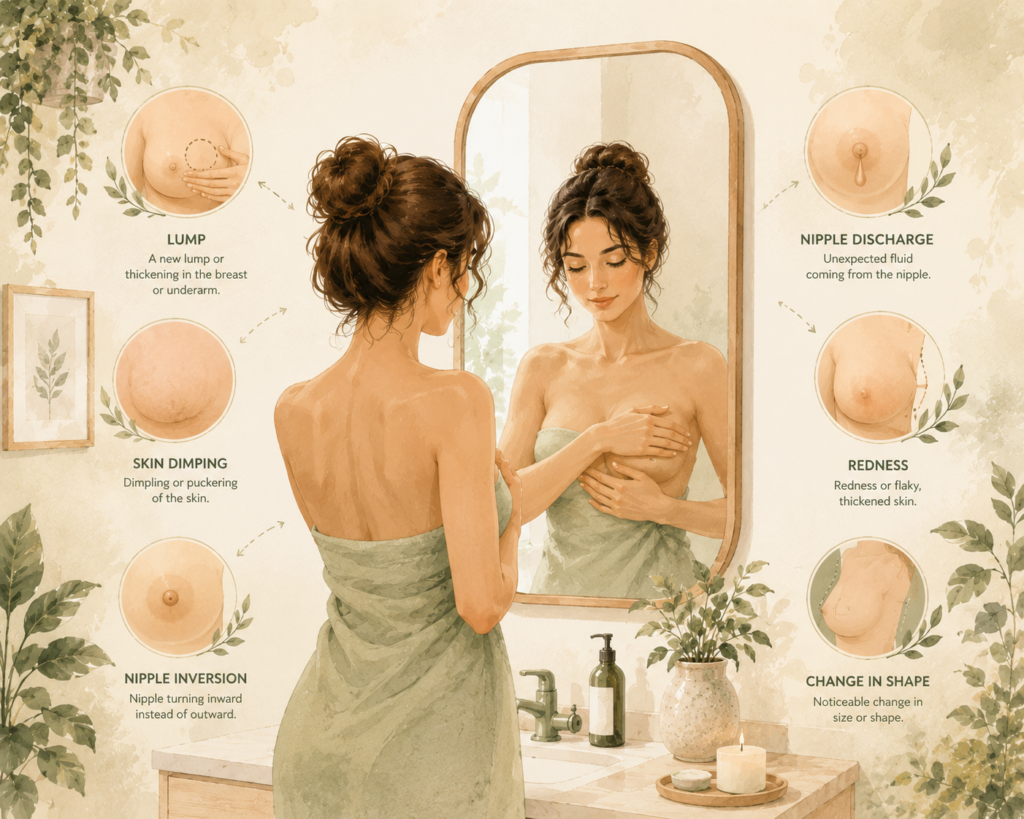
8 Early Warning Signs of Breast Cancer
Recognizing changes in your breasts doesn’t mean something is wrong, but knowing what to look for can help you seek medical advice promptly if needed.
1. A New Breast Lump
A new lump or thickened area in the breast or underarm is one of the most common signs associated with breast cancer. Some lumps feel hard and painless, while others may feel soft or tender.
Most breast lumps are not cancerous, but every new lump should be examined by a healthcare professional.
2. Changes in Breast Size or Shape
If one breast suddenly becomes noticeably larger, swollen, or changes shape without an obvious reason, it should be evaluated.
Changes may occur gradually or appear over a short period.
3. Skin Dimpling
Skin that looks dimpled or resembles the texture of an orange peel can sometimes occur when cancer affects the tissues beneath the skin.
This change should always be assessed by a healthcare professional.
4. Nipple Changes
A nipple that suddenly turns inward, changes position, develops persistent crusting, or doesn’t heal should be evaluated.
While these changes can have non-cancerous causes, they should not be ignored.

5. Unusual Nipple Discharge
Nipple discharge is common and is often caused by non-cancerous conditions, especially during pregnancy, breastfeeding, hormonal changes, or certain medications. However, discharge that occurs without squeezing the nipple, affects only one breast, or is bloody or clear should be assessed by a healthcare professional.
While most cases are not caused by cancer, it is important not to ignore new or unexplained nipple discharge.
6. Redness or Swelling of the Breast
Persistent redness, warmth, swelling, or thickened skin on part or all of the breast can sometimes be associated with breast infections. In rare cases, these changes may also be linked to inflammatory breast cancer, a less common but aggressive type of breast cancer.
If redness or swelling does not improve or is accompanied by other breast changes, seek medical advice promptly.
7. Persistent Breast Pain
Breast pain is common and is usually related to hormonal changes during the menstrual cycle, pregnancy, breastfeeding, or non-cancerous breast conditions.
Most breast cancers do not cause pain in their early stages. However, pain that is persistent, occurs in one specific area, or is accompanied by a lump or skin changes should be evaluated by a healthcare professional.
8. Swollen Lymph Nodes
The lymph nodes under the arm or near the collarbone help filter harmful substances from the body. If breast cancer spreads beyond the breast, these lymph nodes may become enlarged or swollen.
A swollen lymph node can also occur because of an infection or another medical condition, but persistent swelling should never be ignored.
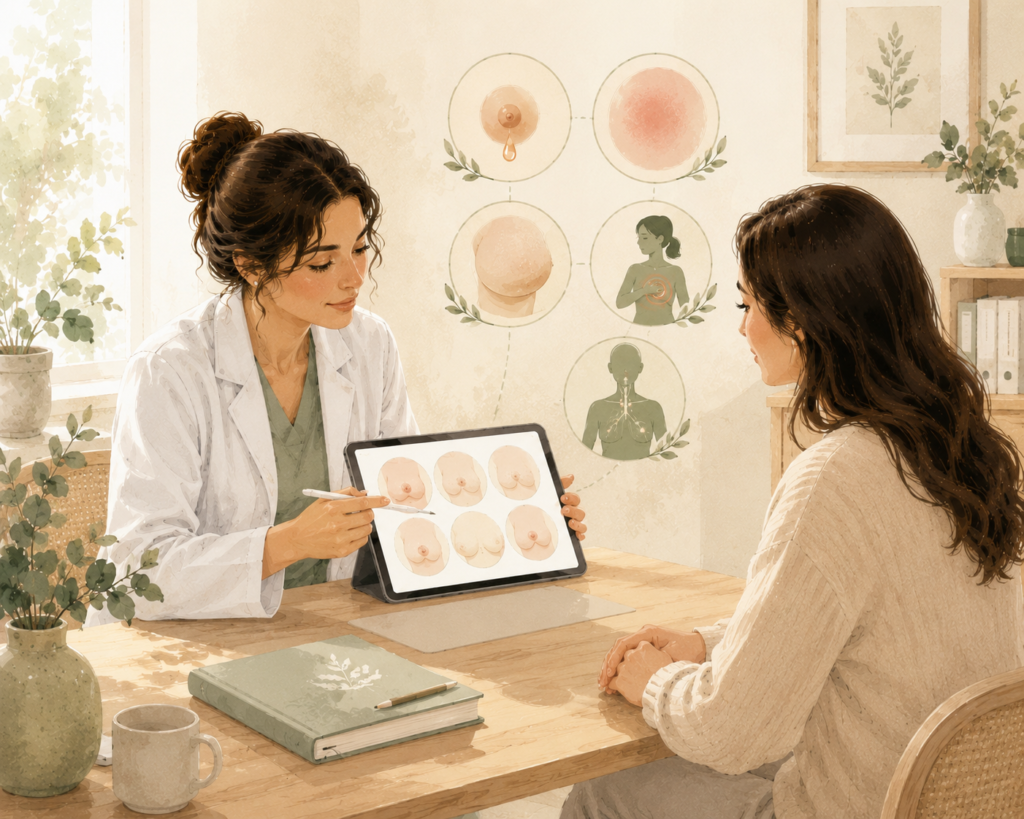
What Causes Breast Cancer?
Breast cancer develops because of changes (mutations) in the DNA of breast cells. These mutations cause cells to grow and divide uncontrollably instead of following the body’s normal process of growth and repair.
For most people, doctors cannot identify one exact cause. Instead, breast cancer usually develops from a combination of genetic, hormonal, environmental, and lifestyle factors.
It is important to understand that having one or more risk factors does not mean you will develop breast cancer, and many people diagnosed with breast cancer have no known risk factors.
Risk Factors for Breast Cancer
Certain factors can increase a person’s likelihood of developing breast cancer. Some cannot be changed, while others may be influenced through healthy lifestyle choices.
Age
Growing older is one of the strongest risk factors. Most breast cancers are diagnosed in women over the age of 50, although younger women and, less commonly, men can also develop breast cancer.
Family History
Having a close relative such as a mother, sister, daughter, or father with breast or ovarian cancer may increase your risk. However, most people diagnosed with breast cancer do not have a family history of the disease.
Inherited Gene Mutations
Some people inherit changes in genes such as BRCA1 and BRCA2, which significantly increase the lifetime risk of breast and ovarian cancers.
Genetic testing may be recommended for individuals with a strong family history of these cancers. A healthcare professional or genetic counselor can help determine whether testing is appropriate.
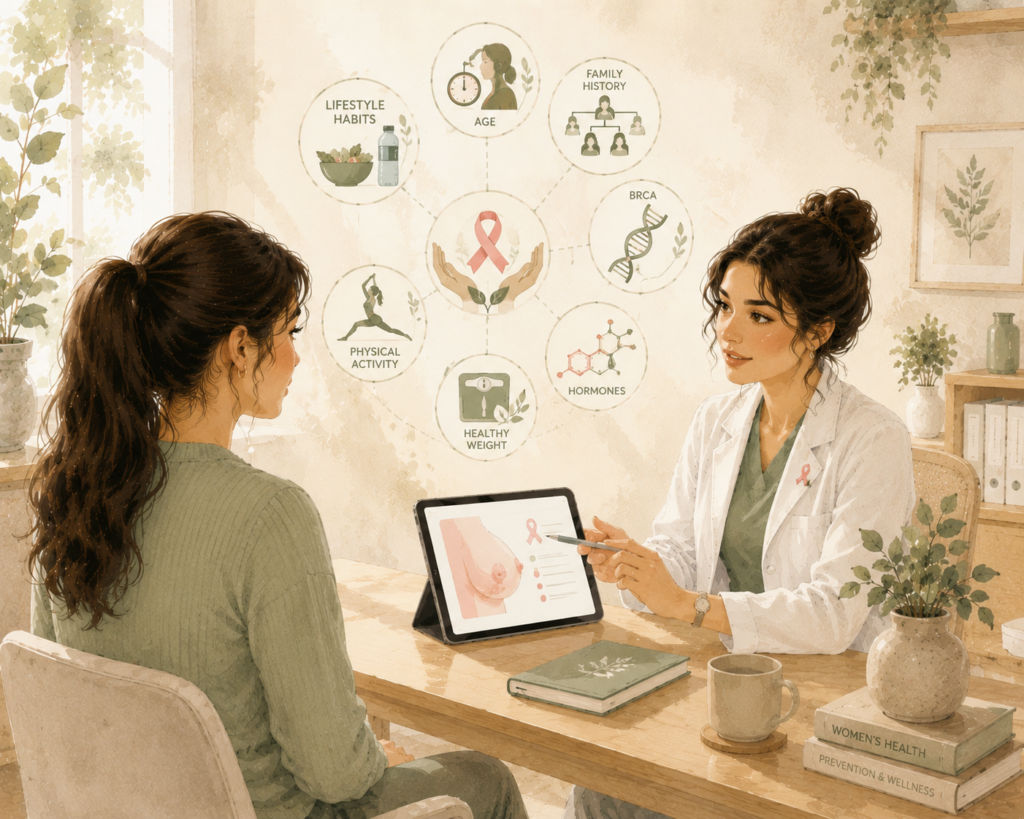
Hormonal Factors
Long-term exposure to estrogen can influence breast cancer risk. Factors that may affect hormone exposure include:
- Starting menstruation at an early age
- Entering menopause later in life
- Having no pregnancies or having a first pregnancy at an older age
- Certain hormone replacement therapies after menopause
These factors may slightly increase risk, but they do not mean someone will definitely develop breast cancer.
Previous Radiation Therapy
People who received radiation therapy to the chest during childhood or early adulthood for another condition may have a higher risk of developing breast cancer later in life.
Dense Breast Tissue
Dense breasts contain more glandular and connective tissue than fatty tissue. Dense breast tissue can make mammograms more difficult to interpret and is associated with a higher risk of breast cancer.
Your healthcare provider can explain whether you have dense breasts based on your mammogram results.
Being Overweight or Having Obesity
After menopause, excess body fat can increase estrogen levels, which may contribute to a higher risk of breast cancer. Maintaining a healthy weight through balanced nutrition and regular physical activity supports overall health and may help reduce risk.
Alcohol Consumption
Research shows that drinking alcohol is associated with an increased risk of breast cancer. In general, the risk increases as alcohol consumption increases.
Physical Inactivity
Regular physical activity benefits overall health and is associated with a lower risk of several cancers, including breast cancer. Aim for consistent movement throughout the week, following your healthcare provider’s recommendations.
Smoking
Smoking has been linked to many cancers and other serious health conditions. Some evidence also suggests it may contribute to an increased risk of breast cancer, particularly with long-term use.

Can Breast Cancer Be Prevented?
There is no guaranteed way to prevent breast cancer, but healthy lifestyle habits and regular screening can help reduce risk and improve the chances of early detection.
You can support your breast health by:
- Maintaining a healthy weight.
- Staying physically active.
- Eating a balanced diet rich in vegetables, fruits, whole grains, legumes, and lean proteins.
- Limiting or avoiding alcohol.
- Avoiding smoking.
- Breastfeeding, if possible and appropriate for you, as it may modestly reduce breast cancer risk.
- Attending recommended breast cancer screening appointments.
- Becoming familiar with the normal look and feel of your breasts so you can notice any unusual changes.
Early detection remains one of the most effective ways to improve treatment outcomes.
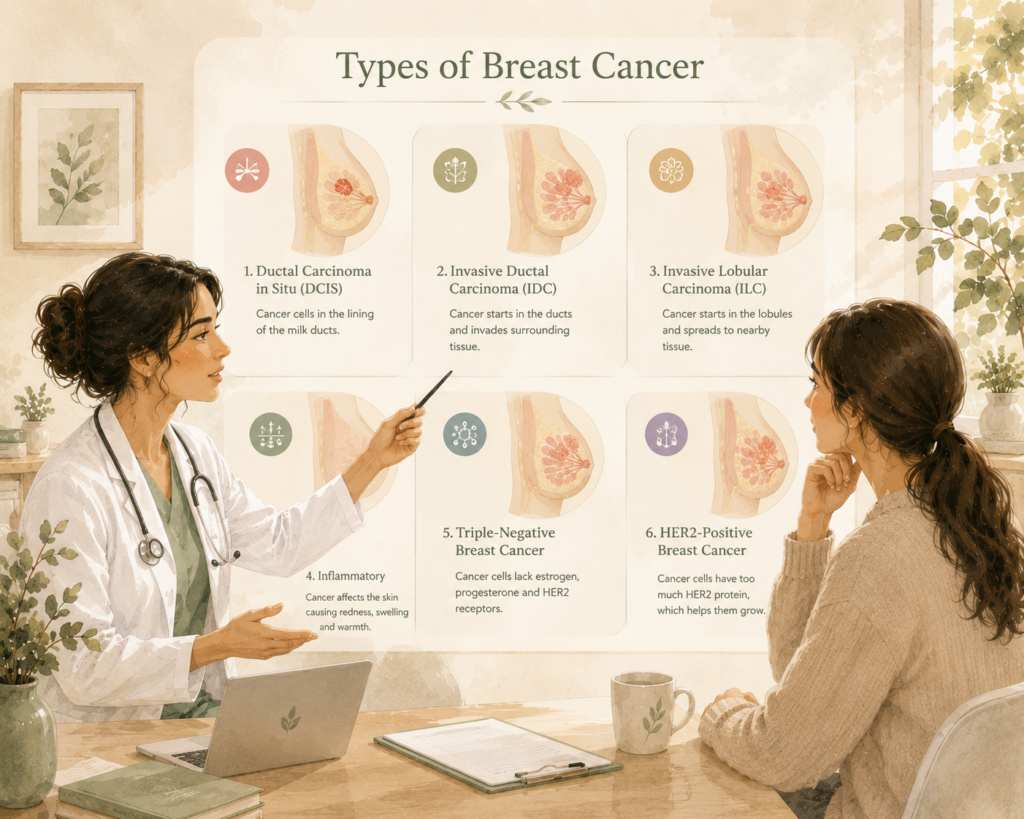
Types of Breast Cancer
Breast cancer is not a single disease. There are several different types, and treatment may vary depending on the type, stage, and specific characteristics of the cancer. Understanding these differences can help patients better understand their diagnosis and treatment options.
- Ductal Carcinoma In Situ (DCIS)
- Invasive Ductal Carcinoma (IDC)
- Invasive Lobular Carcinoma (ILC)
- Inflammatory Breast Cancer
- Triple-Negative Breast Cancer
- Metastatic Breast Cancer
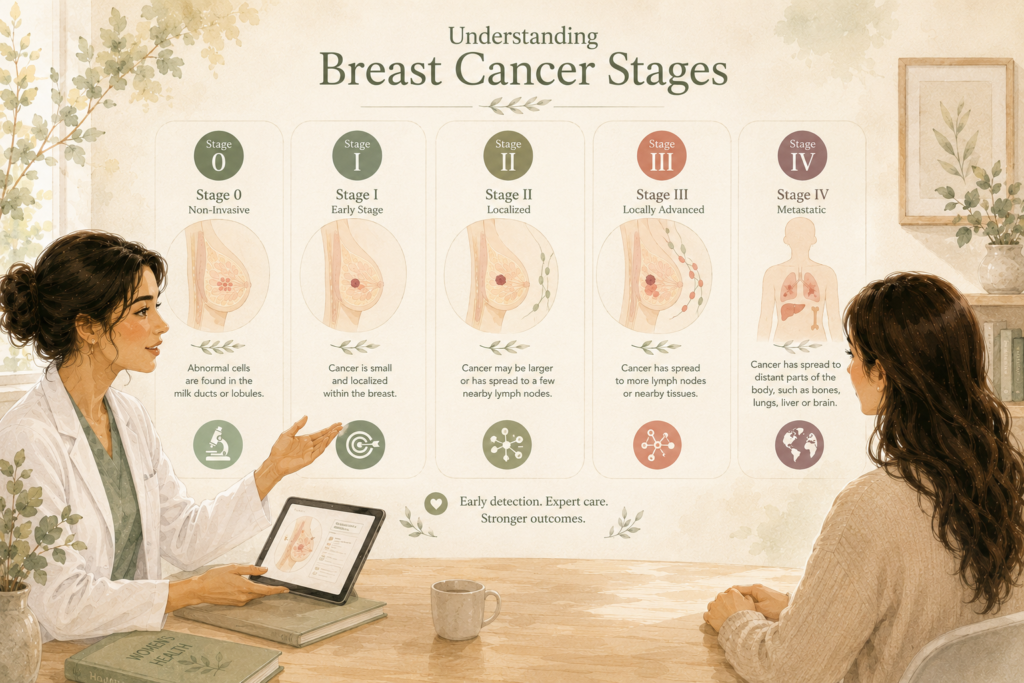
Understanding Breast Cancer Stages
After breast cancer is diagnosed, doctors determine its stage. Staging describes how large the cancer is, whether it has spread to nearby lymph nodes, and whether it has spread to other parts of the body. This information helps guide treatment decisions and estimate prognosis.
Stage 0
Cancer cells remain confined to the ducts and have not invaded nearby breast tissue (commonly DCIS).
Stage I
A small, early-stage cancer that has not spread significantly.
Stage II
The tumor may be larger or may have spread to a small number of nearby lymph nodes.
Stage III
Cancer has spread more extensively to nearby tissues or lymph nodes but not to distant organs.
Stage IV
Also called metastatic breast cancer, this stage means the cancer has spread to distant parts of the body such as the bones, liver, lungs, or brain.
Who Should Get Screened for Breast Cancer?
Breast cancer screening is an important part of preventive healthcare because it can help detect cancer before symptoms appear. Early detection often means more treatment options and a better chance of successful outcomes.
Screening recommendations vary depending on your age, personal medical history, family history, and overall risk. Your healthcare provider can help determine the most appropriate screening plan for you.
You may need earlier or additional screening if you:
- Have a strong family history of breast or ovarian cancer.
- Carry an inherited gene mutation such as BRCA1 or BRCA2.
- Previously received radiation therapy to the chest at a young age.
- Have other medical conditions that significantly increase your risk.
Even if you feel healthy and have no symptoms, regular screening remains an important part of breast health.
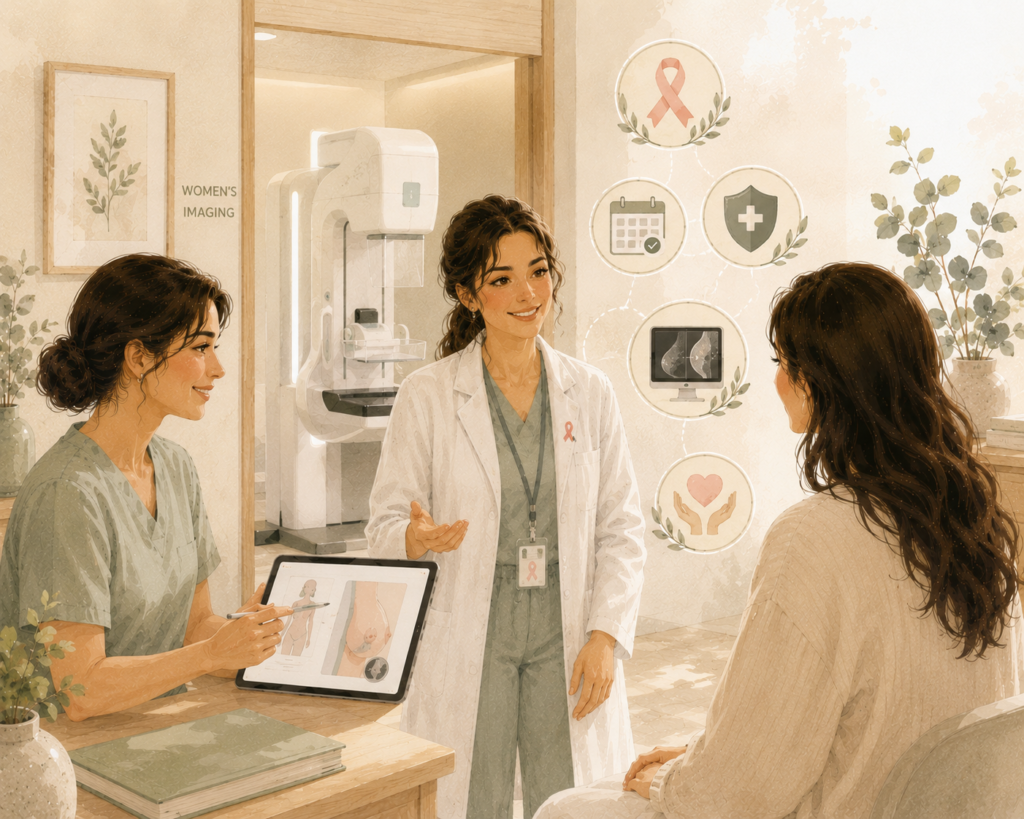
Mammograms and Other Screening Tests
A mammogram is a specialized X-ray of the breast that can detect small abnormalities long before they can be felt as a lump.
Depending on your age, breast density, symptoms, and overall risk, your healthcare provider may also recommend additional tests.
These may include:
Mammogram
The most common screening test used to detect breast cancer early.
Breast Ultrasound
Uses sound waves to evaluate breast tissue and helps distinguish between fluid-filled cysts and solid masses. It is often used after an abnormal mammogram or when evaluating a new breast lump.
Breast MRI
A breast MRI provides detailed images and may be recommended for people at very high risk of breast cancer or when additional information is needed after other imaging tests.
These tests do not necessarily mean cancer is present they simply help healthcare professionals gather more information.
Breast Self-Awareness: Know What’s Normal for You
Rather than performing a strict monthly breast self-exam on a fixed schedule, many healthcare organizations now encourage breast self-awareness. This means becoming familiar with the normal appearance and feel of your breasts so that you can notice any changes.
Breast self-awareness should never replace routine screening or medical evaluations, but it can help you recognize changes that deserve medical attention.
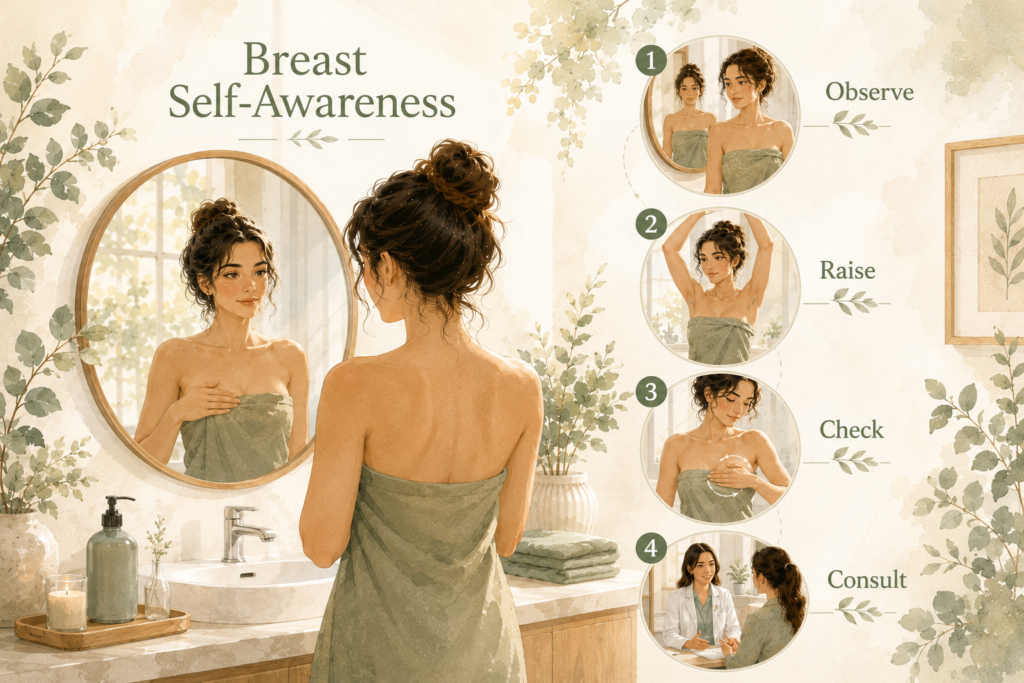
How to Practice Breast Self-Awareness
Step 1
Look at your breasts in a mirror with your shoulders straight and your arms relaxed.
Notice:
- Breast size
- Shape
- Skin appearance
- Nipple position
Step 2
Raise both arms overhead and look again for any visible changes
Step 3
While showering or lying down, gently feel all areas of each breast using the pads of your fingers in small circular motions.
Check the entire breast, including the underarm area.
Step 4
If you notice anything unusual that persists, schedule an appointment with your healthcare provider.
How Is Breast Cancer Diagnosed?
If a healthcare professional suspects breast cancer based on your symptoms or screening results, further testing may be recommended.
Diagnosis usually involves several steps.
Clinical Breast Examination
A healthcare professional examines the breasts and nearby lymph nodes for any unusual changes.
Imaging Tests
Mammograms, ultrasounds, or MRI scans provide detailed images of breast tissue.
Biopsy
A biopsy is the only way to confirm whether cancer cells are present.
During a biopsy, a small sample of breast tissue is removed and examined under a microscope in a laboratory.
Although the procedure may sound intimidating, many biopsies are performed using local anesthesia and are completed on an outpatient basis.
Additional Laboratory Tests
If breast cancer is diagnosed, additional tests may determine:
- Cancer type
- Hormone receptor status
- HER2 status
- Cancer stage
- Whether cancer has spread
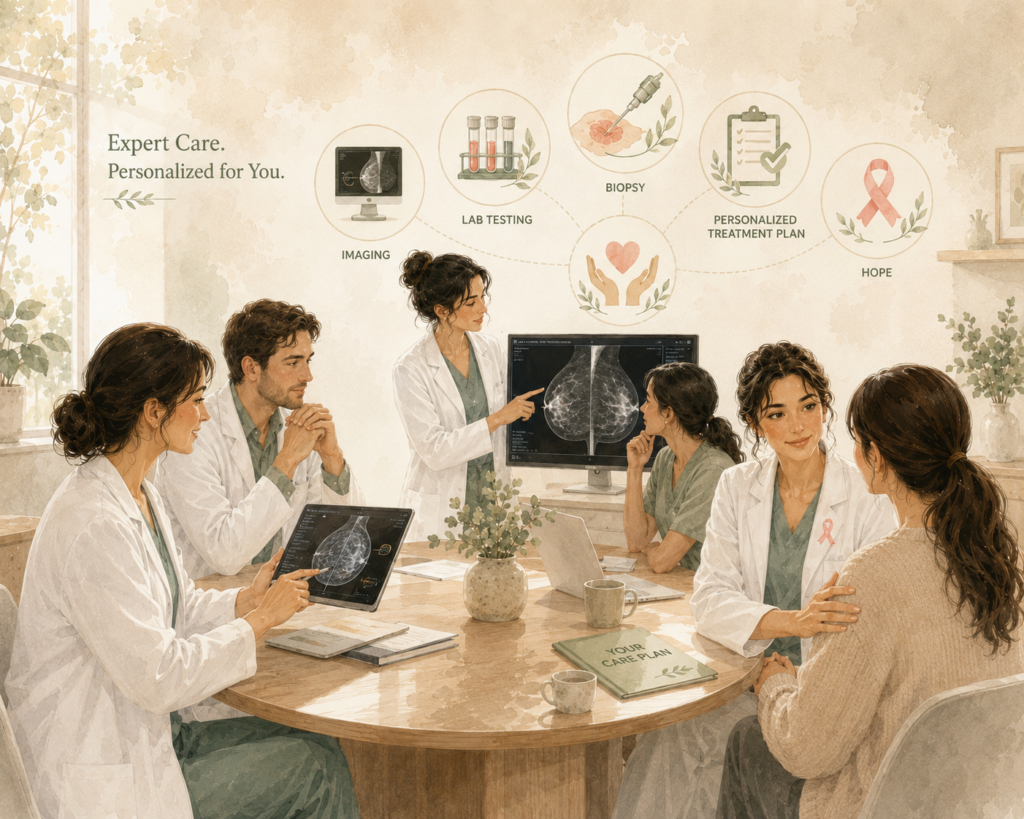
These results help doctors develop the most appropriate treatment plan.
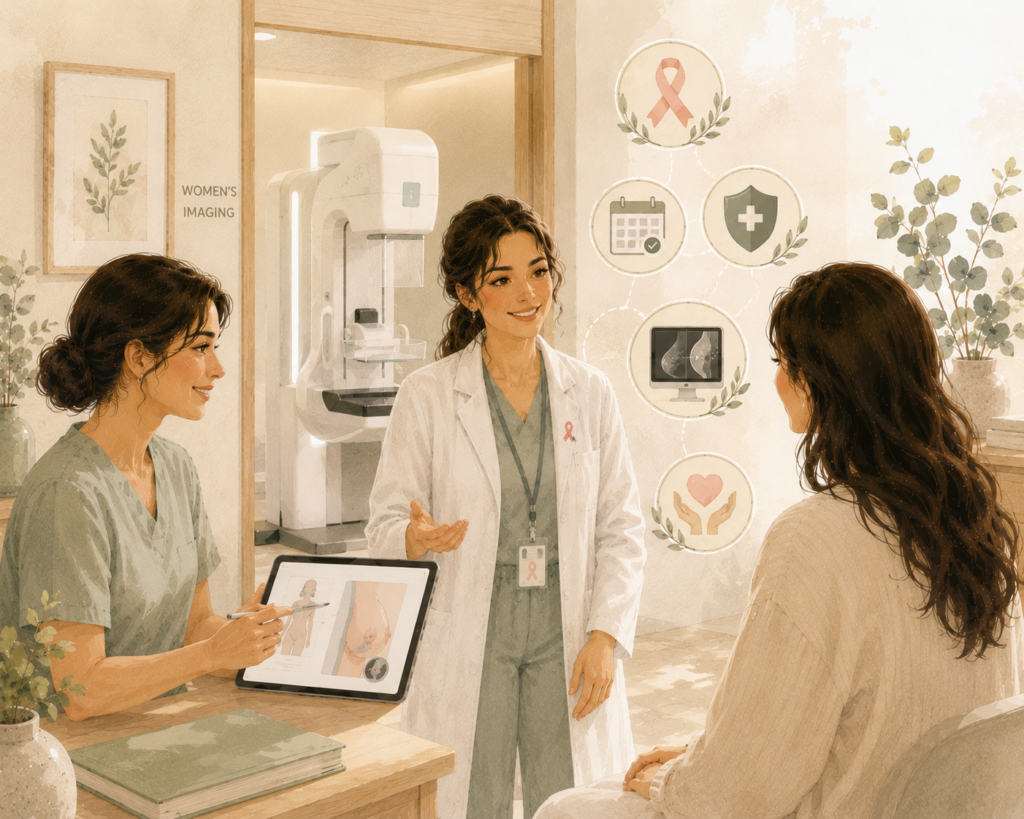
Treatment Options for Breast Cancer
Treatment depends on several factors, including:
- Cancer type
- Stage
- Tumor size
- Hormone receptor status
- HER2 status
- Overall health
- Patient preferences
Your healthcare team will recommend a personalized treatment plan.
Common treatments include:
Surgery
Removes the tumor or affected breast tissue. Some people require only removal of the lump (lumpectomy), while others may need removal of the entire breast (mastectomy).
Radiation Therapy
Uses carefully targeted high-energy radiation to destroy remaining cancer cells after surgery.
Chemotherapy
Uses medications that destroy rapidly growing cancer cells.
Hormone Therapy
Recommended for hormone receptor-positive breast cancers to reduce the effects of estrogen or progesterone on cancer growth.
Targeted Therapy
Uses medicines that specifically target certain proteins involved in cancer growth, such as HER2-positive breast cancers.
Immunotherapy
Some breast cancers may benefit from medicines that help the immune system recognize and attack cancer cells.
Living Beyond Breast Cancer
Many people continue to live full, active, and meaningful lives after completing breast cancer treatment.
Recovery may involve:
- Regular follow-up appointments.
- Managing side effects.
- Physical rehabilitation.
- Emotional support.
- Healthy eating.
- Regular exercise.
- Stress management.
- Connecting with family, friends, or support groups.
Every person’s recovery journey is unique, and it’s important to work closely with your healthcare team throughout the process.
When Should You See a Doctor?
Arrange an appointment with a healthcare professional if you notice:
- A new breast lump.
- Persistent breast pain in one area.
- Skin dimpling.
- Nipple inversion.
- Bloody or unexplained nipple discharge.
- Changes in breast size or shape.
- Swollen lymph nodes.
- Persistent redness or swelling.
Remember, most breast changes are not caused by cancer, but they should always be assessed promptly.
Frequently Asked Questions
No. Many breast lumps are non-cancerous, but every new lump should be evaluated by a healthcare professional.
Yes. Although breast cancer is more common with increasing age, younger women can also develop it.
Yes. Breast cancer in men is rare but possible.
No. Most breast pain is related to hormonal changes or other non-cancerous conditions.
Recommendations vary depending on your age and risk factors. Discuss the best screening schedule with your healthcare provider.
No. A family history increases risk but does not guarantee you will develop breast cancer.
Many breast cancers can be treated successfully, especially when detected early.
Healthy lifestyle habits such as regular exercise, maintaining a healthy weight, avoiding smoking, limiting alcohol, and attending recommended screening appointments may help reduce risk and support overall health.
Conclusion
Breast cancer is a complex disease, but advances in screening, diagnosis, and treatment have greatly improved outcomes for many people. Understanding the warning signs, knowing your personal risk factors, and staying informed about recommended screening can make a meaningful difference.
Becoming familiar with your breasts, attending routine healthcare appointments, and seeking medical advice for any unusual changes are important steps in protecting your health. Remember that most breast changes are not caused by cancer, but early evaluation is always the safest approach.
Medical Disclaimer
This article is intended for educational purposes only and should not replace professional medical advice, diagnosis, or treatment. If you notice any unusual breast changes or have concerns about your breast health, consult a qualified healthcare professional promptly.
Sources & References
- World Health Organization (WHO)
- American Cancer Society (ACS)
- National Cancer Institute (NCI)
- National Comprehensive Cancer Network (NCCN)
- American College of Obstetricians and Gynecologists (ACOG)
- U.S. Preventive Services Task Force (USPSTF)
- NHS (United Kingdom)
- Mayo Clinic
- Cleveland Clinic