
Wondering if you might be pregnant? Every pregnancy is unique, and the earliest signs can vary from person to person. While some women notice symptoms just days after conception, others may not experience any noticeable changes for several weeks.
Many early pregnancy symptoms are caused by rising hormone levels and can feel similar to premenstrual (PMS) symptoms. However, understanding these changes can help you recognize when it may be time to take a pregnancy test or speak with a healthcare professional.
In this guide, you’ll learn about the most common early pregnancy symptoms, when they typically appear, how they differ from PMS, and when to seek medical advice.

What Are Early Pregnancy Symptoms?
Early pregnancy symptoms are physical and emotional changes that occur after conception as your body begins adjusting to pregnancy. These changes are primarily caused by hormonal shifts, particularly increasing levels of human chorionic gonadotropin (hCG), progesterone, and estrogen.
Some women notice symptoms before they miss a period, while others may not experience noticeable signs until several weeks later. Having no early symptoms does not necessarily mean there is a problem with the pregnancy.
The only way to confirm pregnancy is with a pregnancy test followed by medical confirmation if needed.
When Do Pregnancy Symptoms Start?
There is no single timeline that applies to everyone.
Some women begin noticing subtle changes about 1–2 weeks after conception, while others do not experience symptoms until after a missed period.
Common early symptoms often begin around the time of a missed period, but the timing and intensity can vary from one pregnancy to another.

15 Early Pregnancy Symptoms
Every pregnancy is different, and not everyone experiences the same symptoms. Some signs appear very early, while others develop gradually over the first few weeks.
1. Missed Period
A missed menstrual period is often the first noticeable sign of pregnancy, especially if you usually have regular menstrual cycles.
However, missed periods can also occur because of stress, hormonal imbalances, thyroid disorders, PCOS, significant weight changes, or certain medications.
If your period is late and pregnancy is possible, consider taking a home pregnancy test according to the manufacturer’s instructions.
2. Breast Tenderness and Swelling
Hormonal changes during early pregnancy can make the breasts feel fuller, heavier, swollen, or tender.
Some women also notice:
- Darkening of the areolas
- More visible veins
- Increased breast sensitivity
These changes often appear within the first few weeks of pregnancy.
3. Fatigue
Feeling unusually tired is one of the earliest pregnancy symptoms. Rising progesterone levels can increase feelings of sleepiness and lower energy levels.
Getting enough rest, staying hydrated, eating balanced meals, and following your healthcare provider’s recommendations may help manage fatigue during early pregnancy.
4. Nausea or Morning Sickness
Despite its name, morning sickness can occur at any time of the day. It usually begins around the sixth week of pregnancy, although some women notice nausea earlier.
Symptoms may include:
- Feeling nauseated
- Vomiting
- Increased sensitivity to smells
- Food aversions
For many women, morning sickness improves during the second trimester, but experiences vary.
5. Frequent Urination
Hormonal changes and increased blood flow to the kidneys can make you urinate more frequently, even in early pregnancy.
As pregnancy progresses, the growing uterus may also place pressure on the bladder, increasing urinary frequency further.
6. Food Cravings and Food Aversions
Many women notice changes in their appetite during early pregnancy.
Some may crave certain foods, while others develop strong dislikes toward foods they previously enjoyed. Sensitivity to smells may also become more noticeable.
These changes are thought to be influenced by hormonal shifts, although the exact reasons are not fully understood.
7. Mood Swings
Rapid hormonal changes during early pregnancy can affect your emotions, making you feel happier, more sensitive, tearful, or irritable than usual.
These mood changes are completely normal for many women and often improve as hormone levels stabilize. Getting enough sleep, eating balanced meals, and managing stress may help support emotional well-being.
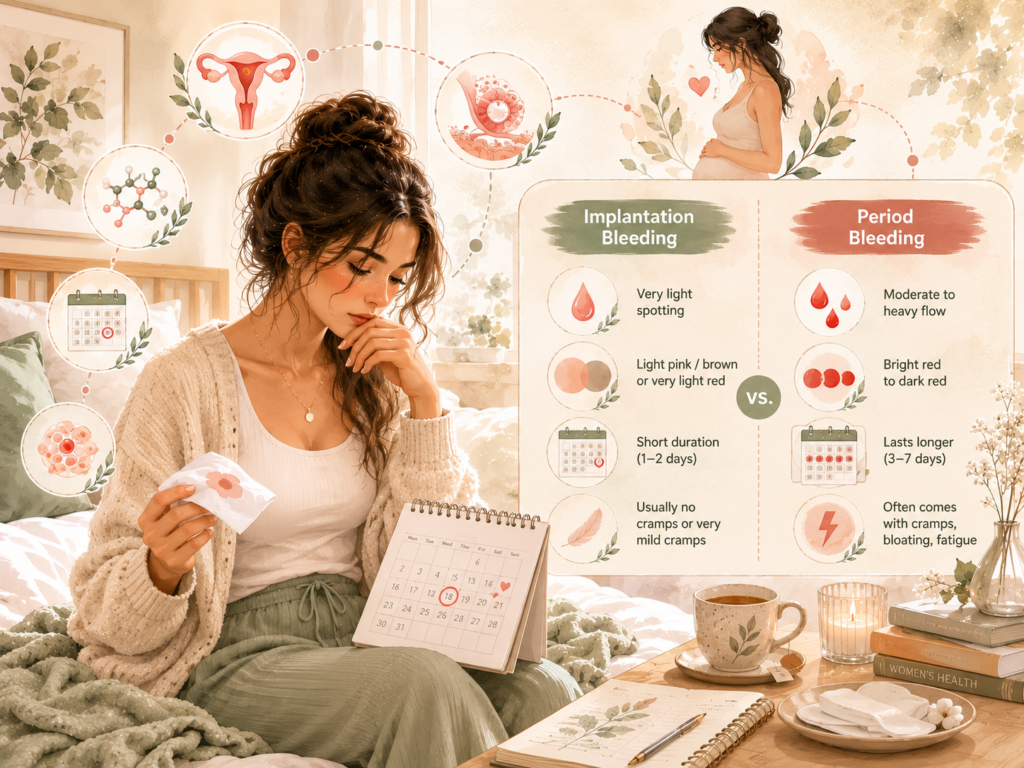
8. Implantation Bleeding
Some women experience light spotting known as implantation bleeding when the fertilized egg attaches to the lining of the uterus.
Implantation bleeding is usually:
- Light pink or brown in color
- Much lighter than a normal period
- Lasts from a few hours to two days
- Does not usually contain heavy clots
Not everyone experiences implantation bleeding, and its absence does not mean you are not pregnant.
If you experience heavy bleeding or severe pain, contact your healthcare provider promptly.

9. Mild Cramping
Some women notice mild cramping during early pregnancy. These cramps may occur as the uterus begins to change and expand.
Early pregnancy cramps are often described as:
- Mild
- Intermittent
- Similar to menstrual cramps
- Short-lasting
Severe pain, especially when accompanied by heavy bleeding, dizziness, or fainting, requires immediate medical evaluation because it may indicate a serious condition such as an ectopic pregnancy.
10. Bloating
Increased progesterone levels can slow digestion, causing bloating and a feeling of fullness during early pregnancy.
Many women mistake pregnancy-related bloating for PMS because the symptoms can feel very similar.
Drinking plenty of water, eating fiber-rich foods, and staying physically active (if appropriate) may help reduce bloating.
11. Headaches
Hormonal fluctuations, increased blood circulation, dehydration, stress, or changes in sleep patterns can contribute to headaches during early pregnancy.
If headaches become severe, persistent, or are accompanied by vision changes or swelling, seek prompt medical advice.
12. Constipation
Progesterone slows the movement of food through the digestive system, making constipation a common symptom during early pregnancy.
Increasing fiber intake, drinking enough fluids, and staying physically active may help support healthy digestion.
Always consult your healthcare provider before taking laxatives or other medications during pregnancy.
13. Dizziness or Lightheadedness
Early pregnancy can cause blood vessels to relax and blood pressure to change, making some women feel dizzy when standing up quickly.
Eating regular meals, staying hydrated, and rising slowly from sitting or lying positions may help reduce dizziness.
Seek medical attention immediately if dizziness is severe, persistent, or accompanied by fainting.
14. Increased Sense of Smell
Many women notice that certain smells become much stronger during early pregnancy.
This heightened sense of smell may contribute to nausea, food aversions, or discomfort around perfumes, cooking odors, or smoke.
Although the exact reason isn’t fully understood, hormonal changes are believed to play a role.
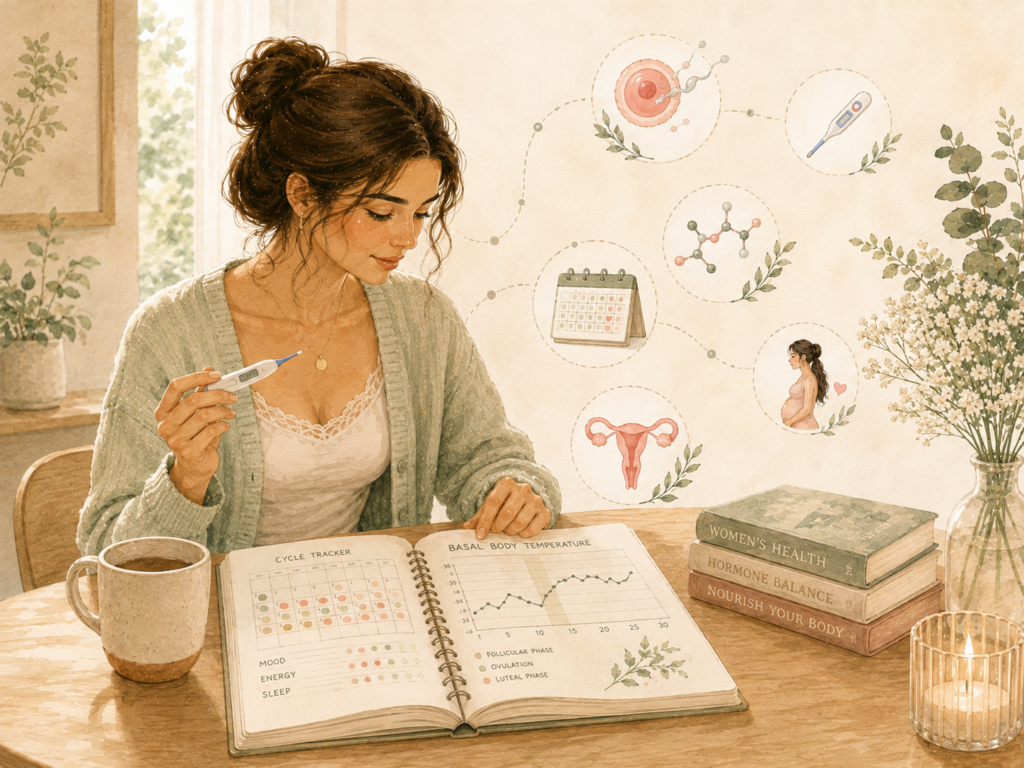
15. Elevated Basal Body Temperature
Women who track their basal body temperature (BBT) may notice that it remains elevated for more than two weeks after ovulation.
A sustained increase in BBT may be an early sign of pregnancy, although it should not be used as the only method to confirm pregnancy.
Pregnancy Symptoms vs. PMS: What’s the Difference?
Early pregnancy symptoms and premenstrual syndrome (PMS) often feel very similar, making it difficult to tell them apart.
Both may cause:
- Breast tenderness
- Fatigue
- Mood changes
- Mild cramping
- Bloating
- Food cravings
However, pregnancy symptoms are more likely to include:
- A missed period
- Persistent nausea
- Increased urination
- Implantation bleeding (in some women)
- Continued elevated basal body temperature
- Positive pregnancy test
The only reliable way to confirm pregnancy is with a pregnancy test.
When Should You Take a Pregnancy Test?
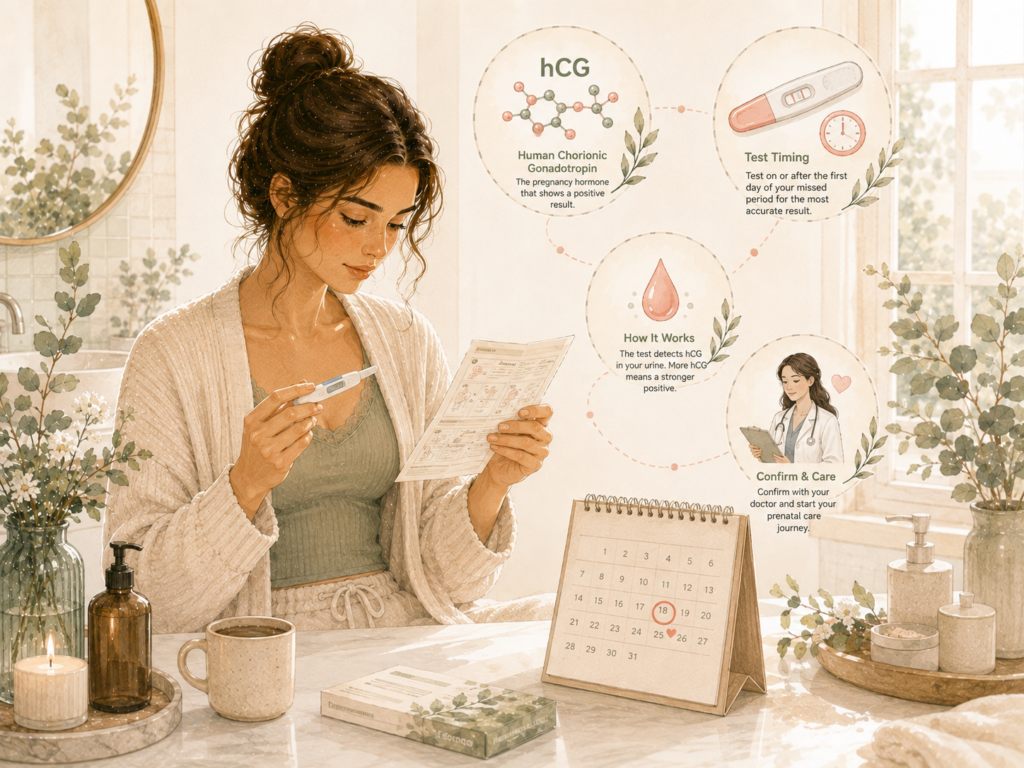
Home pregnancy tests detect human chorionic gonadotropin (hCG), a hormone produced during pregnancy.
For the most accurate results:
- Take the test after your missed period whenever possible.
- Follow the manufacturer’s instructions carefully.
- Use the first urine of the morning if testing very early.
- If the result is negative but your period still doesn’t start, repeat the test after a few days or consult your healthcare provider.
Blood tests performed by healthcare professionals can detect pregnancy earlier than most home urine tests.
When Should You See a Doctor?
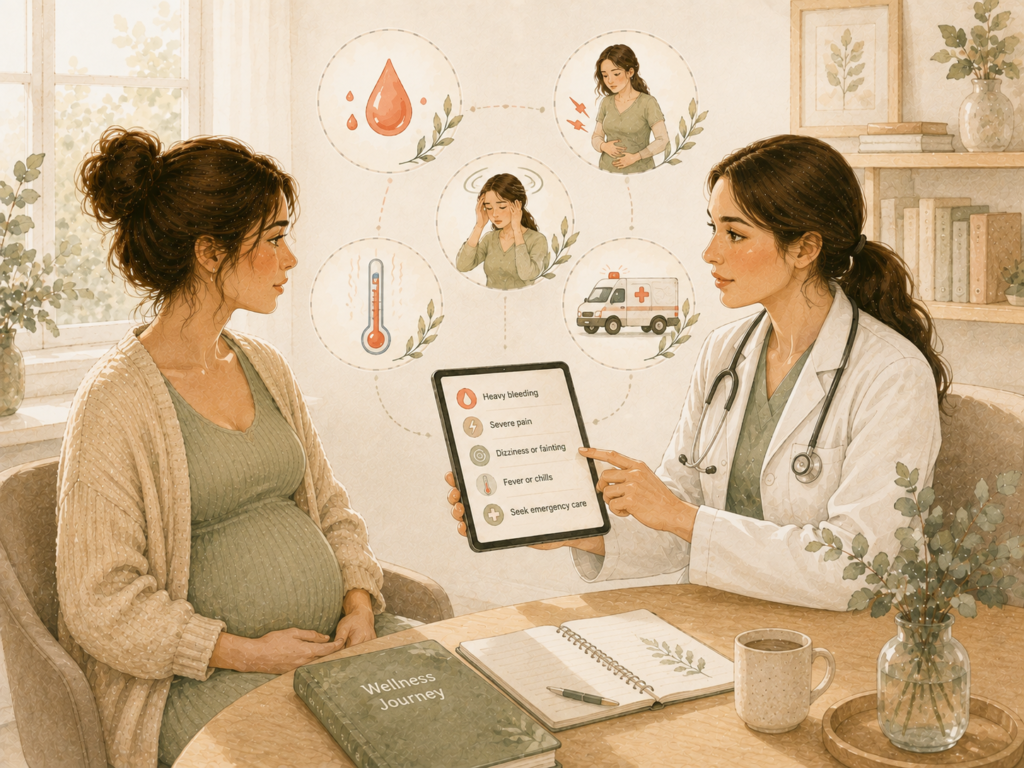
Many early pregnancy symptoms are normal and result from hormonal changes. However, some symptoms require prompt medical attention to help protect your health and the pregnancy.
Contact your healthcare provider if you experience:
- Heavy vaginal bleeding.
- Severe abdominal or pelvic pain.
- Persistent dizziness or fainting.
- Severe vomiting that prevents you from keeping food or fluids down.
- A fever above 38°C (100.4°F).
- Pain or burning during urination.
- Sudden swelling of the face or hands.
- Severe headaches with vision changes.
- Any symptom that worries you or feels unusual.
Seek emergency medical care immediately if you have severe abdominal pain together with heavy bleeding, shoulder pain, or fainting, as these may be symptoms of an ectopic pregnancy, which requires urgent treatment.

How Is Pregnancy Confirmed?
Although early symptoms may strongly suggest pregnancy, they cannot confirm it on their own.
Healthcare professionals may confirm pregnancy using:
Home Pregnancy Test
Home pregnancy tests detect human chorionic gonadotropin (hCG) in urine and are highly accurate when used correctly after a missed period.
Blood Test
A blood test performed by a healthcare professional can detect pregnancy earlier than most home urine tests and measure the amount of hCG in your blood.
Ultrasound Scan
An ultrasound is commonly used to confirm that the pregnancy is developing inside the uterus, estimate how far along the pregnancy is, and check the baby’s development.
What Happens at Your First Prenatal Visit?
Once your pregnancy is confirmed, schedule your first prenatal appointment as recommended by your healthcare provider.
During this visit, your healthcare provider may:
- Confirm your pregnancy.
- Estimate your due date.
- Review your medical and family history.
- Discuss medications and supplements.
- Recommend prenatal vitamins, including folic acid.
- Measure your blood pressure and weight.
- Order blood and urine tests if needed.
- Discuss nutrition, exercise, and healthy lifestyle habits.
Regular prenatal care helps monitor both your health and your baby’s development throughout pregnancy.

Healthy Habits During Early Pregnancy
Small healthy lifestyle choices can support both your health and your baby’s development.
Consider the following habits:
- Eat a balanced, nutrient-rich diet.
- Take prenatal vitamins as recommended.
- Stay hydrated throughout the day.
- Get adequate sleep and rest.
- Engage in regular physical activity if approved by your healthcare provider.
- Avoid smoking, vaping, alcohol, and recreational drugs.
- Limit caffeine according to your healthcare provider’s advice.
- Attend all prenatal appointments.
- Manage stress through relaxation techniques and emotional support.
Every pregnancy is different, so always follow personalized guidance from your healthcare provider.
Frequently Asked Questions
For many women, a missed period is the earliest noticeable sign of pregnancy. However, some women first notice fatigue, breast tenderness, or nausea.
Yes. Some women experience mild symptoms such as fatigue, breast tenderness, or implantation bleeding before their expected period, although many do not notice any symptoms until after a missed period.
Most home pregnancy tests are most accurate after a missed period. If you test early and receive a negative result but your period still hasn’t started, repeat the test after a few days or consult your healthcare provider.
No. Some women experience significant nausea and vomiting, while others have mild symptoms or none at all.
Yes. PMS and early pregnancy share many symptoms, including breast tenderness, fatigue, bloating, and mood changes. A pregnancy test is the most reliable way to tell the difference.
Some women experience implantation bleeding, while many do not. Both can be completely normal.
Yes. Testing too early may produce a false-negative result because hCG levels have not yet risen enough to be detected. If pregnancy is still possible, repeat the test after a few days or speak with your healthcare provider.
Schedule an appointment with your healthcare provider to confirm the pregnancy, discuss prenatal care, and begin taking prenatal vitamins if recommended.
Conclusion
Early pregnancy symptoms can vary widely from one person to another. While signs such as a missed period, nausea, fatigue, breast tenderness, and frequent urination may suggest pregnancy, they are not enough to confirm it on their own.
If you think you may be pregnant, taking a home pregnancy test after a missed period is a good first step. Following up with your healthcare provider can help confirm the pregnancy and ensure you receive appropriate prenatal care from the very beginning.
Recognizing early pregnancy symptoms, attending regular prenatal appointments, and adopting healthy lifestyle habits can support both your well-being and your baby’s healthy development.
Medical Disclaimer
This article is intended for educational purposes only and should not replace professional medical advice, diagnosis, or treatment. If you think you may be pregnant or experience concerning symptoms, consult a qualified healthcare professional promptly.
Sources & References
This article was prepared using information from trusted medical organizations and evidence-based clinical resources, including:
- World Health Organization (WHO)
- American College of Obstetricians and Gynecologists (ACOG)
- NHS (United Kingdom)
- Mayo Clinic
- Cleveland Clinic
- Office on Women’s Health (U.S. Department of Health & Human Services)
- March of Dimes
- American Pregnancy Association
LifeMate regularly reviews and updates its health content to reflect current medical knowledge and evidence-based guidelines.