

Pregnancy brings many normal physical and emotional changes as your body supports your growing baby. Symptoms such as fatigue, mild nausea, back pain, and occasional discomfort are often expected. However, some symptoms should never be ignored because they may indicate a condition that requires prompt medical attention.
Knowing the difference between common pregnancy discomforts and warning signs can help you seek care at the right time. Early medical evaluation often leads to better outcomes for both mother and baby.
This guide explains the pregnancy symptoms that deserve prompt medical attention, how healthcare providers evaluate these symptoms, and when emergency care may be needed.
Why Knowing Pregnancy Warning Signs Matters
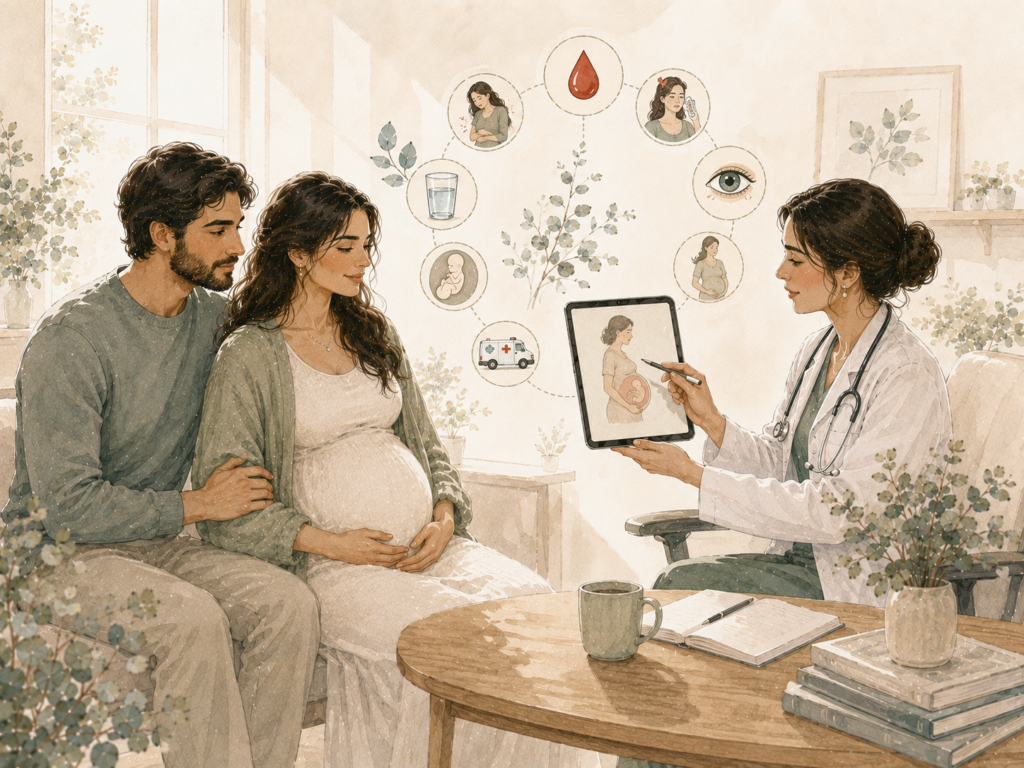
Most pregnancies progress normally, and many common symptoms are harmless. However, certain warning signs may indicate complications that require prompt medical evaluation.
Recognizing these symptoms does not mean something is definitely wrong. Instead, it helps you know when to contact your healthcare provider so that any concerns can be assessed appropriately.
Seeking medical advice early may help prevent complications, provide reassurance when everything is normal, and ensure you receive timely care if treatment is needed.
Normal Pregnancy Symptoms vs. Warning Signs
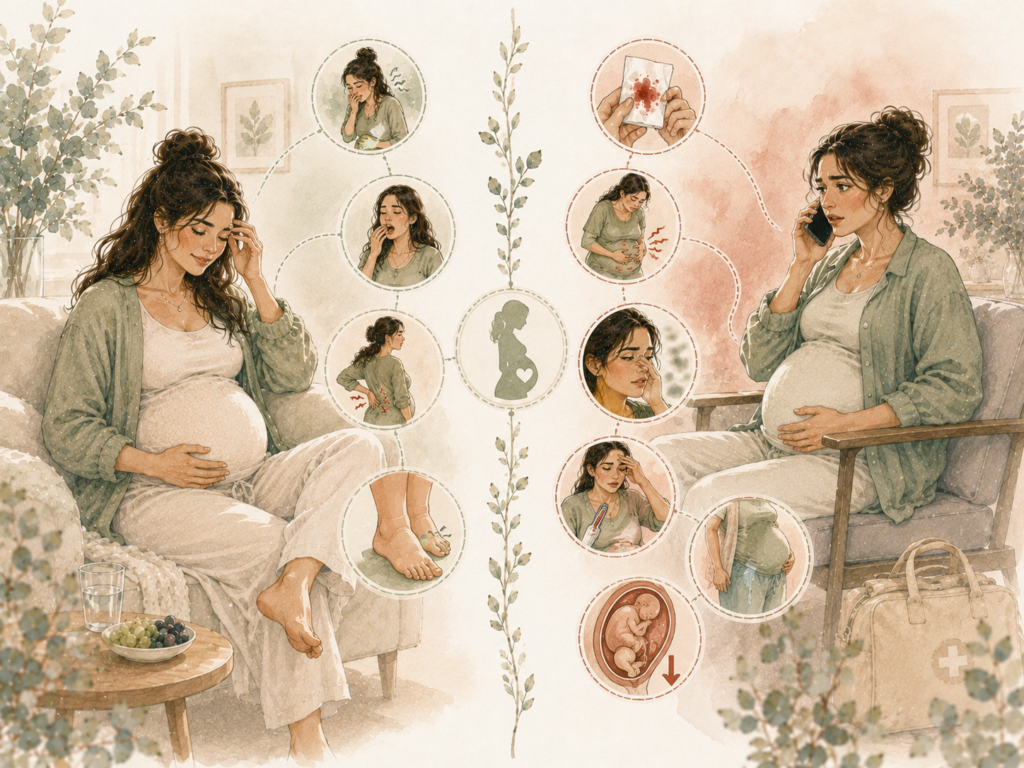
Many normal pregnancy symptoms can feel uncomfortable, but they are often expected as your body adapts to pregnancy.
Examples of common pregnancy symptoms include:
- Mild nausea
- Mild fatigue
- Occasional back discomfort
- Mild swelling in the feet later in pregnancy
- Mild heartburn
- Occasional dizziness when standing quickly
- Braxton Hicks contractions in late pregnancy
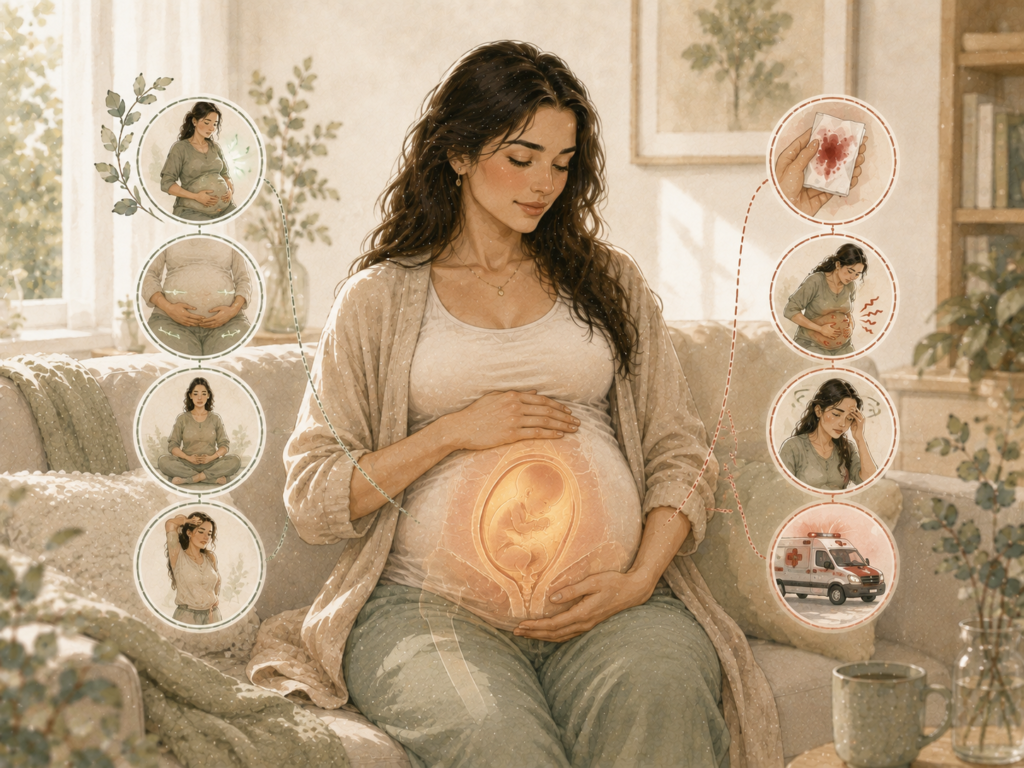
In contrast, symptoms such as heavy bleeding, severe abdominal pain, persistent severe headaches, or sudden vision changes should always be evaluated promptly.
Understanding this difference can help reduce unnecessary anxiety while ensuring important symptoms are not overlooked.
12 Pregnancy Warning Signs You Should Never Ignore
Although many pregnancy symptoms are normal, the following signs deserve prompt medical attention.
1. Heavy Vaginal Bleeding
Light spotting may occur in some pregnancies, particularly during early pregnancy. However, heavy vaginal bleeding is not considered normal and should always be assessed by a healthcare professional.
Heavy bleeding may sometimes be associated with conditions such as miscarriage, placental problems, or other pregnancy complications.
Seek medical care immediately if heavy bleeding is accompanied by:
- Severe abdominal pain
- Dizziness
- Fainting
- Passing large clots
- Shoulder pain
2. Severe Abdominal or Pelvic Pain
Mild stretching sensations can occur as the uterus grows.
However, severe or persistent abdominal or pelvic pain should never be ignored.
Pain may require evaluation to identify possible causes, including pregnancy complications or conditions unrelated to pregnancy that still require treatment.
3. Persistent Severe Headache
Occasional mild headaches can occur during pregnancy.
However, a severe headache that does not improve with rest, hydration, or medical advice may require prompt evaluation, particularly if it develops later in pregnancy.
Seek medical attention immediately if a severe headache occurs together with:
- Vision changes
- Swelling of the face or hands
- High blood pressure
- Confusion
These symptoms may indicate a condition requiring urgent medical assessment.
4. Blurred Vision or Other Vision Changes
Temporary vision changes during pregnancy should always be discussed with your healthcare provider.
These may include:
- Blurred vision
- Double vision
- Flashing lights
- Temporary loss of vision
- Seeing spots
Vision changes can occasionally occur alongside other pregnancy complications and should never be ignored.
5. Sudden Swelling of the Face or Hands
Mild swelling of the feet and ankles is common during pregnancy, particularly later in pregnancy.
However, sudden swelling affecting the face, hands, or around the eyes may require prompt medical evaluation, especially when accompanied by severe headache or vision changes.

6. High Fever
A fever during pregnancy may indicate an infection that requires medical assessment.
Contact your healthcare provider if you develop a temperature above 38°C (100.4°F) or if fever is accompanied by:
- Chills
- Severe body aches
- Rash
- Persistent vomiting
- Difficulty breathing
Treating infections promptly helps protect both maternal and fetal health.
7. Severe Vomiting and Signs of Dehydration
Morning sickness is common, especially during the first trimester. However, vomiting that is persistent or prevents you from keeping food and fluids down should be evaluated by a healthcare professional.
Prolonged vomiting may lead to dehydration, electrolyte imbalances, and weight loss. In some cases, it may be a sign of hyperemesis gravidarum, a severe form of pregnancy-related nausea and vomiting that often requires medical treatment.
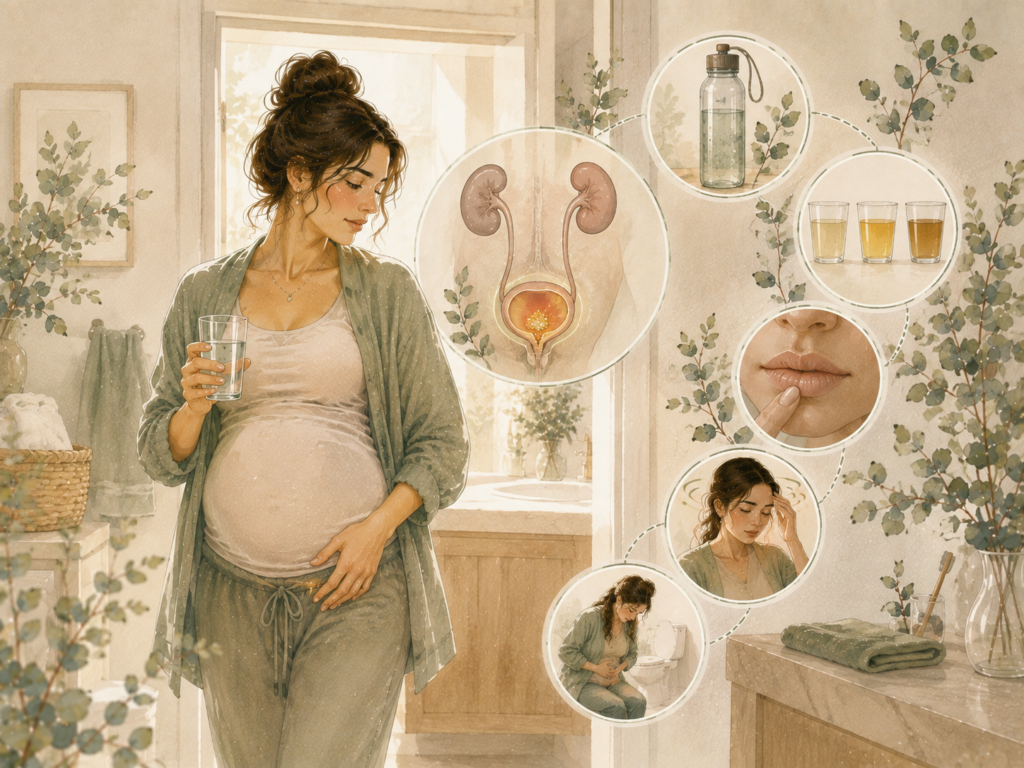
Signs of dehydration include:
- Very dark urine
- Urinating less often than usual
- Extreme thirst
- Dry mouth or lips
- Dizziness when standing
- Feeling unusually weak or confused
Seek medical care promptly if you cannot keep fluids down or notice signs of dehydration.
8. Pain or Burning During Urination
Pain, burning, or discomfort while urinating may be a sign of a urinary tract infection (UTI).
Untreated UTIs during pregnancy can sometimes spread to the kidneys and may increase the risk of pregnancy complications.
Contact your healthcare provider if you experience:
- Burning during urination
- Frequent urge to urinate with little urine passed
- Cloudy or foul-smelling urine
- Blood in the urine
- Fever or back pain
Prompt treatment can help prevent complications.
9. Fluid Leaking From the Vagina
A sudden gush or continuous trickle of clear fluid from the vagina may indicate that the amniotic sac has ruptured.
Although leaking fluid does not always mean labor has started, it should always be assessed by a healthcare professional, especially if it occurs before your due date.
Seek prompt medical advice if leaking fluid is accompanied by:
- Fever
- Vaginal bleeding
- Regular contractions
- Reduced baby movements
Avoid using tampons or attempting to determine the source of the fluid yourself. Your healthcare provider can perform the appropriate evaluation.
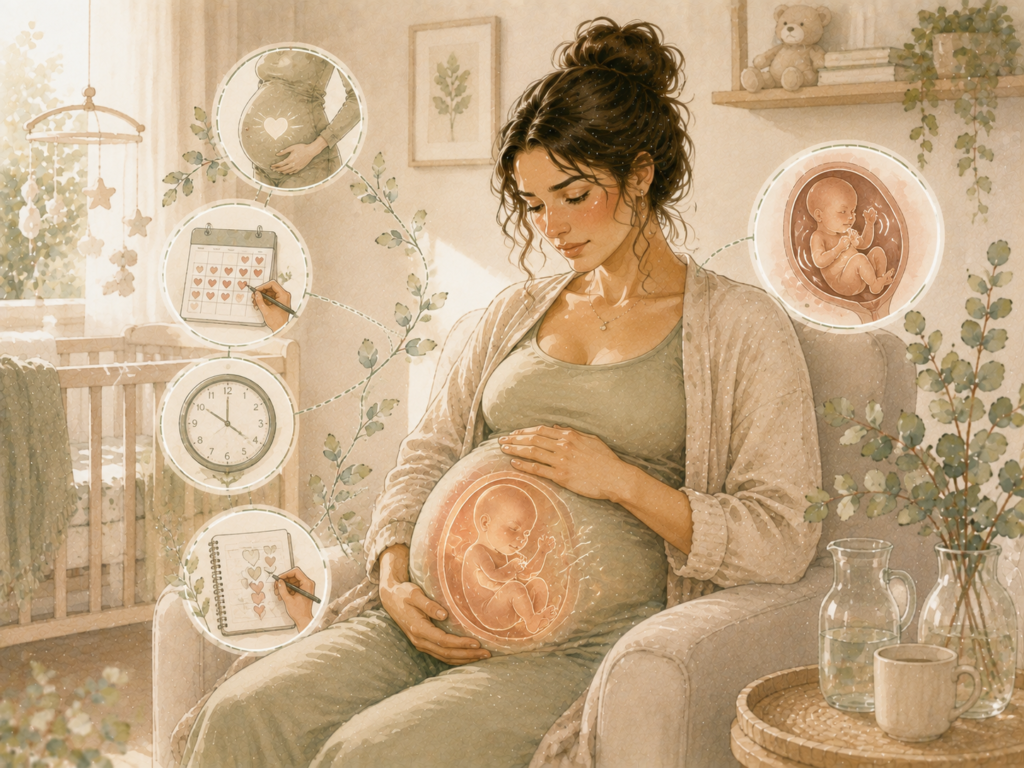
10. Reduced or Absent Baby Movements
As pregnancy progresses, many women become familiar with their baby’s usual movement patterns.
If you notice that your baby is moving significantly less than usual or stops moving altogether, contact your maternity care provider immediately.
Reduced fetal movement does not always indicate a serious problem, but prompt assessment is important to help ensure your baby’s well-being.
Do not wait until the next day if movements are noticeably reduced.
11. Chest Pain or Difficulty Breathing
Mild shortness of breath can occur as pregnancy progresses because your growing uterus changes the way your lungs expand.
However, sudden or severe chest pain, significant difficulty breathing, coughing up blood, or feeling unable to catch your breath requires immediate medical evaluation.
These symptoms may be caused by serious medical conditions that need urgent treatment.
Call emergency medical services immediately if these symptoms occur.
12. Loss of Consciousness or Severe Dizziness
Occasional lightheadedness can happen during pregnancy, particularly when standing up quickly.
However, fainting, repeated episodes of severe dizziness, or loss of consciousness should never be ignored.
Seek prompt medical attention if dizziness occurs together with:
- Chest pain
- Difficulty breathing
- Heavy bleeding
- Severe headache
- Vision changes

When Should You Go to the Emergency Department?
Some pregnancy symptoms require immediate emergency medical attention rather than waiting for a routine appointment.
Seek emergency care immediately if you experience:
- Heavy vaginal bleeding.
- Severe abdominal or pelvic pain.
- Chest pain.
- Difficulty breathing.
- Loss of consciousness.
- Seizures.
- Sudden vision loss.
- Severe headache with swelling or high blood pressure.
- Continuous leaking of amniotic fluid before labor.
- Significant reduction or absence of fetal movement in later pregnancy after contacting your maternity care team.
If you are ever unsure whether a symptom is serious, it is safest to contact your healthcare provider or maternity unit for guidance.
How Doctors Evaluate Pregnancy Warning Signs
The evaluation depends on your symptoms, stage of pregnancy, and medical history.
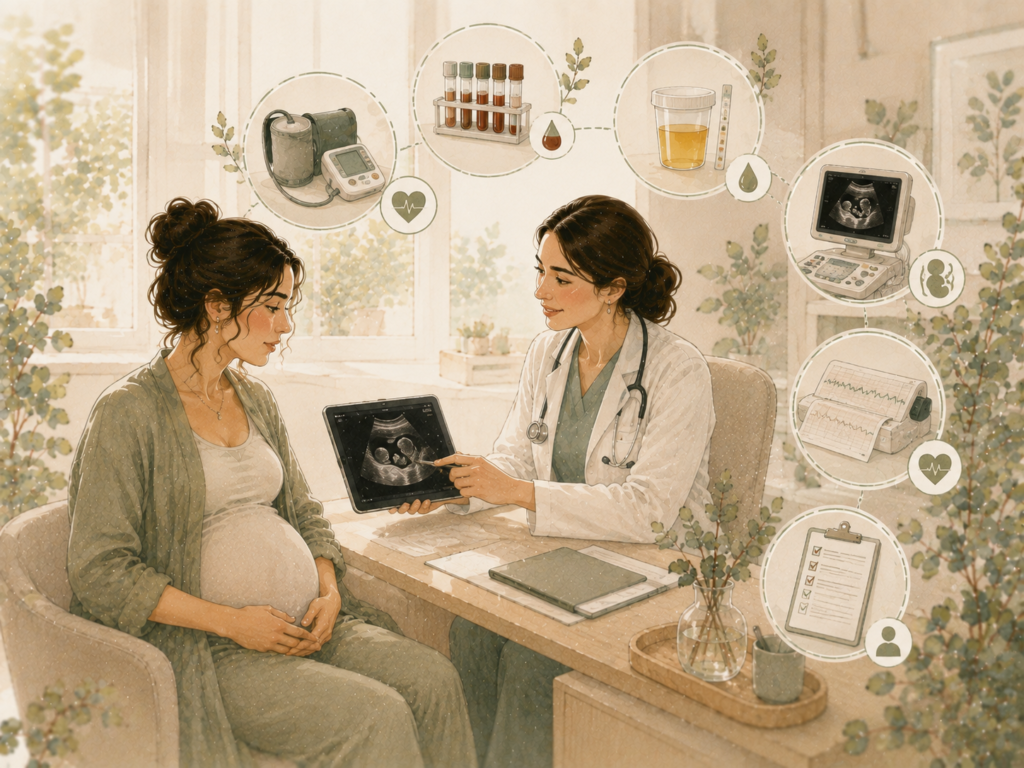
Your healthcare provider may perform:
- A physical examination.
- Blood pressure measurement.
- Blood tests.
- Urine tests.
- Ultrasound examination.
- Fetal heart rate assessment.
- Electronic fetal monitoring (later in pregnancy).
- Additional tests if needed.
These assessments help identify the cause of your symptoms and determine the most appropriate treatment plan.
How to Help Protect Yourself During Pregnancy
While not every pregnancy complication can be prevented, adopting healthy habits and attending regular prenatal appointments can help support both your health and your baby’s development.
Simple daily habits can make a meaningful difference throughout pregnancy.
Attend All Prenatal Appointments
Regular prenatal checkups allow your healthcare provider to monitor your baby’s growth, check your blood pressure, identify potential concerns early, and answer any questions you may have.
Never skip appointments, even if you feel well.
Stay Hydrated
Proper hydration supports:
- Healthy blood circulation
- Amniotic fluid production
- Digestion
- Temperature regulation
- Nutrient delivery to your baby
Drink water regularly throughout the day and increase fluid intake during hot weather or if you’re vomiting.
Eat a Balanced Diet
Focus on nutrient-rich foods such as:
- Fruits
- Vegetables
- Whole grains
- Lean protein
- Dairy or fortified alternatives
- Healthy fats
A balanced diet supports healthy fetal growth and maternal well-being.
Take Prenatal Vitamins
Take prenatal vitamins exactly as recommended by your healthcare provider.
Important nutrients commonly include:
- Folic acid
- Iron
- Calcium
- Vitamin D
- Iodine
- DHA (when recommended)
Supplements should support—not replace—a healthy diet.
Listen to Your Body
Pay attention to new or worsening symptoms.
Do not ignore symptoms simply because they may seem minor.
If something feels unusual or concerning, contact your healthcare provider for advice.
Avoid Harmful Substances
During pregnancy, avoid:
- Smoking
- Alcohol
- Recreational drugs
Always discuss prescription medications, herbal supplements, and over-the-counter medicines with your healthcare provider before using them.
Get Enough Rest
Pregnancy places increased demands on your body.
Prioritize:
- Regular sleep
- Rest breaks during the day
- Stress management
- Gentle physical activity if approved by your healthcare provider

Frequently Asked Questions
Many women experience mild nausea, fatigue, heartburn, back discomfort, occasional dizziness, and mild swelling during pregnancy. These symptoms are often part of normal pregnancy changes. However, symptoms that are severe, sudden, or accompanied by other concerning signs should be evaluated by a healthcare provider.
Not necessarily. Light spotting can occur in some pregnancies, particularly during early pregnancy. However, heavy bleeding, persistent bleeding, or bleeding accompanied by severe pain, dizziness, or fainting requires prompt medical evaluation.
Contact your healthcare provider if you experience heavy bleeding, severe abdominal pain, persistent vomiting, high fever, painful urination, leaking fluid, reduced fetal movement, severe headaches, or any symptom that feels unusual or concerning.
Seek emergency medical care immediately if you have severe bleeding, chest pain, difficulty breathing, seizures, loss of consciousness, severe abdominal pain, or significant reduction in your baby’s movements later in pregnancy.
Yes. Dehydration may affect your overall health and can become serious if severe. If you cannot keep fluids down or notice signs such as dark urine, dizziness, or extreme thirst, contact your healthcare provider promptly.
Not always, but any noticeable decrease in your baby’s usual movement pattern should be assessed promptly by your maternity care provider.
Urinary tract infections are common during pregnancy and usually respond well to treatment. Prompt medical care helps reduce the risk of complications.
Attend all prenatal appointments, eat a balanced diet, stay hydrated, avoid smoking and alcohol, take prenatal vitamins as recommended, and seek medical advice whenever you notice concerning symptoms.
Conclusion
Pregnancy is filled with many natural changes, and most symptoms are part of a healthy, normal pregnancy. However, recognizing the warning signs that require prompt medical attention is an important part of protecting both your health and your baby’s well-being.
Heavy bleeding, severe abdominal pain, persistent vomiting, reduced fetal movement, high fever, chest pain, severe headaches, and sudden vision changes should never be ignored. Early medical evaluation can provide reassurance when everything is normal and ensure timely treatment when it is needed.
Trust your instincts. If something doesn’t feel right, don’t hesitate to contact your healthcare provider. Seeking advice early is always the safest choice during pregnancy.
Medical Disclaimer
This article is intended for educational purposes only and should not replace professional medical advice, diagnosis, or treatment. Every pregnancy is unique. If you experience severe symptoms or have concerns about your pregnancy, contact your healthcare provider or seek emergency medical care promptly.
Sources & References
This article was prepared using information from trusted medical organizations and evidence-based clinical resources, including:
- World Health Organization (WHO)
- American College of Obstetricians and Gynecologists (ACOG)
- NHS (United Kingdom)
- Mayo Clinic
- Cleveland Clinic
- Office on Women’s Health (U.S. Department of Health & Human Services)
- March of Dimes
- Royal College of Obstetricians and Gynaecologists (RCOG)
LifeMate regularly reviews and updates its health content to reflect current evidence-based medical guidelines.