

Polycystic ovary syndrome, commonly known as PCOS, is a complex hormonal and metabolic condition that can affect menstrual cycles, ovulation, fertility, skin, hair, and long-term metabolic health.
PCOS is common. The World Health Organization estimates that it affects approximately 10–13% of women of reproductive age worldwide, although many people remain undiagnosed.
Despite its name, PCOS is not simply a condition involving ovarian cysts. It can affect several systems throughout the body, and symptoms can look very different from one person to another.
Some people mainly experience irregular periods. Others may notice acne, excess facial hair, scalp hair thinning, difficulty becoming pregnant, or metabolic problems such as insulin resistance.
There is currently no cure for PCOS, but the condition can often be managed effectively. Treatment depends on your symptoms, health risks, reproductive goals, and personal preferences.
This complete guide explains what causes PCOS, how it is diagnosed, available treatment options, PCOS and fertility, lifestyle management, and the long-term health considerations associated with the condition.
Important: Having symptoms associated with PCOS does not automatically mean you have PCOS. Several other conditions can cause similar symptoms, so diagnosis should be made by a qualified healthcare professional.

What Is PCOS?
PCOS is a chronic hormonal and metabolic condition associated with irregular ovulation, higher androgen activity, and changes in metabolic health.
Androgens are hormones that everyone produces, including women. When androgen levels are elevated or their effects are stronger than expected, symptoms such as excess facial or body hair, acne, oily skin, or scalp hair thinning may occur.
PCOS can also interfere with normal ovulation. When ovulation does not happen regularly, menstrual periods may become unpredictable or absent, and conception can become more difficult.
The condition can also be associated with insulin resistance and an increased risk of metabolic problems, including type 2 diabetes, high blood pressure, and abnormal cholesterol.
A terminology note
You may encounter the abbreviation PCOS throughout LifeMate and across most health information online. In 2026, some international guideline organizations have begun using the proposed name polyendocrine metabolic ovarian syndrome (PMOS) for the condition historically called PCOS.
Because PCOS remains the widely recognized search term and is still used by major public-health resources such as WHO, this article uses “PCOS” so readers can easily find and understand the information they are looking for.
What Causes PCOS?
The exact cause of PCOS is not fully understood.
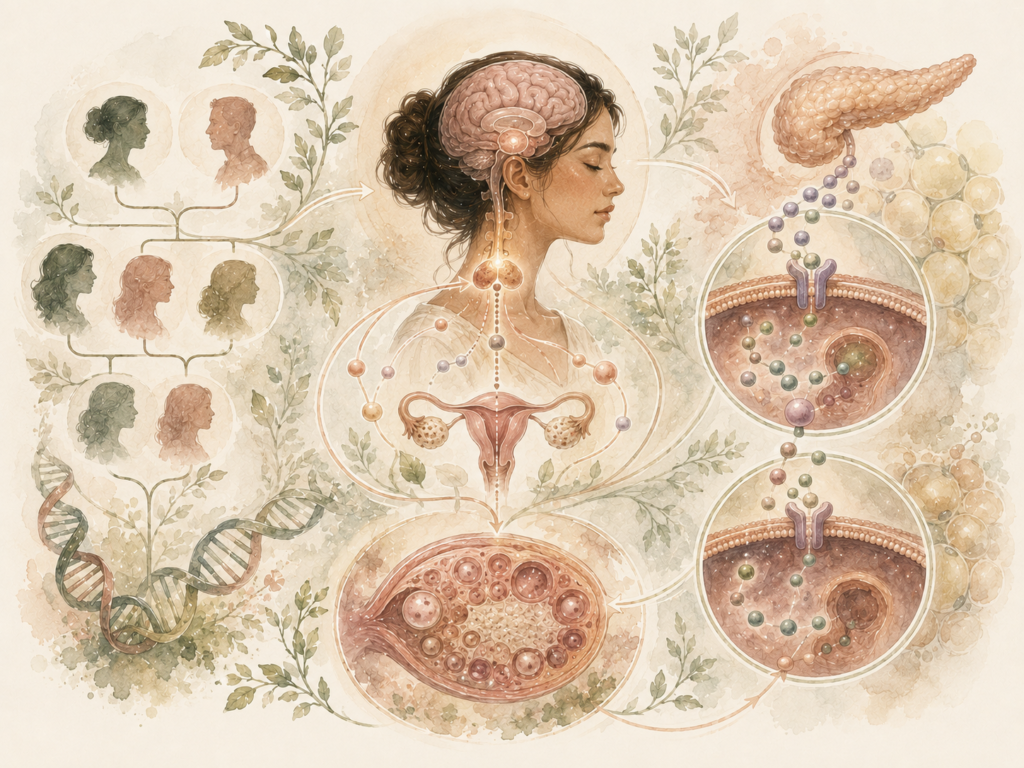
Researchers believe that several factors interact, including genetics, hormone regulation, and metabolic processes.
PCOS does not have one single cause, and it is not accurate to say that one food, one lifestyle habit, or body weight alone causes the condition.
Genetics and Family History
PCOS can run in families.
Having a close family member with PCOS or type 2 diabetes may increase your likelihood of developing the condition.
Researchers are continuing to study the specific genes and biological pathways involved.
This genetic component also helps explain why PCOS can affect several women in the same family while producing different symptoms in each person.
Hormonal Changes
Hormonal signaling plays a central role in PCOS.
Some people with PCOS have higher-than-expected androgen activity. Changes in reproductive hormones can also interfere with the normal process of follicle development and ovulation.
When ovulation becomes irregular, periods may become irregular as well.
This can create a cycle in which:
Hormonal changes → disrupted follicle development → irregular ovulation → irregular periods
The exact biological process is more complicated than this simplified pathway, but it illustrates why hormonal regulation is central to PCOS.
Insulin Resistance
Insulin is a hormone that helps move glucose from the bloodstream into cells where it can be used for energy.
With insulin resistance, cells respond less effectively to insulin. The body may compensate by producing more insulin.
Higher insulin levels can interact with ovarian hormone production and may contribute to increased androgen activity in some people with PCOS.
Not everyone with PCOS has obvious insulin resistance, and insulin resistance cannot be diagnosed simply by looking at body weight or symptoms.
Does Weight Cause PCOS?
No.
PCOS can affect people of every body size.
Some people with PCOS have higher body weight, while others do not. Weight can interact with metabolic health and may influence symptoms in some individuals, but it should not be treated as the cause of PCOS.
This distinction matters because telling someone that their weight “caused” PCOS is both medically oversimplified and potentially harmful.
Healthy lifestyle habits can benefit metabolic and reproductive health regardless of whether they result in weight loss. WHO specifically notes that healthy eating and physical activity are important for people with PCOS even when they do not lead to weight loss.
Does Stress Cause PCOS?
Stress is not considered a single underlying cause of PCOS.
However, chronic stress can affect sleep, appetite, mental health, physical activity, and hormonal functioning. These factors may influence how someone experiences or manages PCOS.
Stress management can therefore be useful as part of overall health care, but it should not be presented as a cure for PCOS.
What Are the Symptoms of PCOS?
PCOS symptoms vary widely.
Common signs include:
- Irregular or absent periods
- Irregular ovulation
- Difficulty becoming pregnant
- Excess facial or body hair
- Acne or oily skin
- Scalp hair thinning
- Weight changes
- Metabolic abnormalities
- Darkened or thickened skin in some people
Some people have only one or two noticeable symptoms.
For a detailed explanation of these signs, read our related LifeMate guide:
→ PCOS Symptoms: 10 Signs of Polycystic Ovary Syndrome You Should Know
Internal linking this way helps readers move naturally from the symptom-focused article to this deeper guide about diagnosis and treatment.
How Is PCOS Diagnosed?
There is no single test for PCOS.
Diagnosis involves looking at the overall pattern of symptoms, menstrual history, hormone findings, and sometimes ovarian appearance while excluding other conditions that can cause similar symptoms.
In adults, the internationally used diagnostic framework generally considers three major features:
- Ovulatory dysfunction, such as irregular or absent periods.
- Clinical or biochemical evidence of increased androgen activity, such as excess facial/body hair, acne, or elevated androgen levels.
- Polycystic ovarian morphology on ultrasound.
The appropriate combination of features is considered after other possible causes have been excluded.
This is why diagnosing yourself from a symptom checklist or ultrasound image alone is not reliable.
What Happens During a PCOS Evaluation?
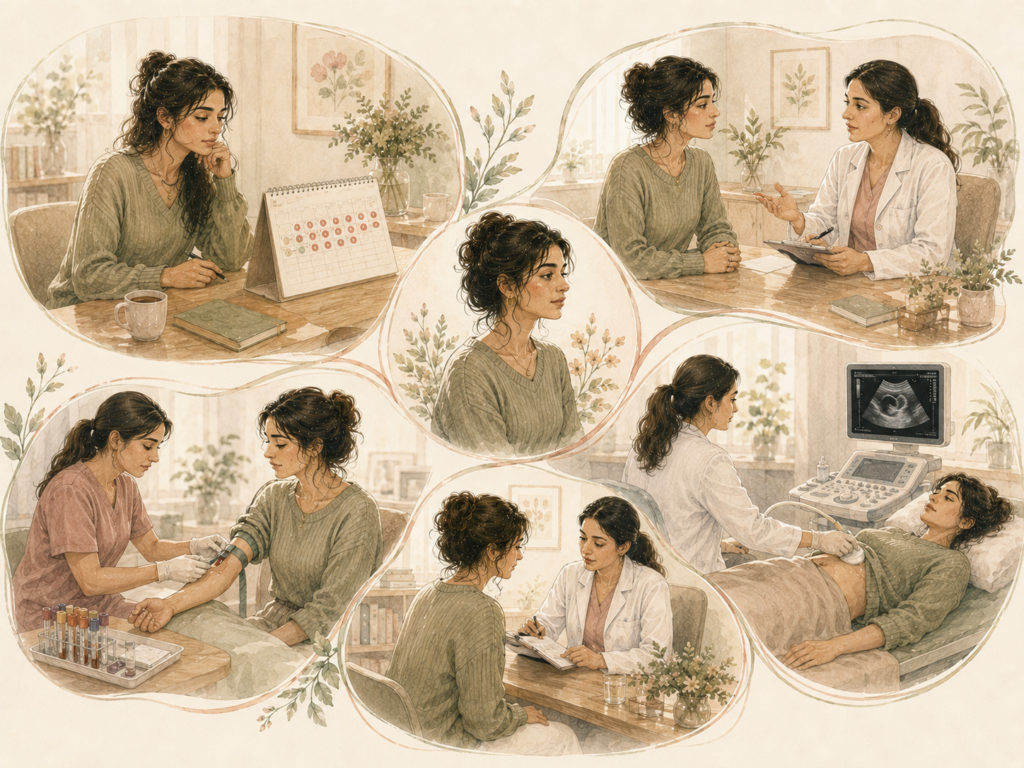
Your healthcare professional may begin by asking detailed questions about your menstrual and reproductive history.
Menstrual History
You may be asked:
- When your periods began.
- How often they occur.
- How long your cycles usually last.
- Whether you skip periods.
- Whether your cycle pattern has changed.
- Whether you experience unusually heavy bleeding.
Keeping a menstrual calendar can make this information easier to provide.
Symptoms and Physical Examination
Your healthcare professional may ask about:
- Facial or body hair growth
- Acne
- Scalp hair thinning
- Weight changes
- Fertility
- Medications
- Family history
A physical examination may also be performed depending on your symptoms.
Blood Tests
Blood tests may be used to assess androgen levels and investigate other possible causes of irregular periods or androgen-related symptoms.
Depending on your circumstances, your healthcare professional may assess testosterone and other hormones.
Additional tests may be needed to rule out conditions that can resemble PCOS.
Do You Need an Ultrasound to Diagnose PCOS?
Not necessarily.
An ultrasound can provide useful information about the ovaries, but it is not automatically required for every adult with suspected PCOS.
If someone already has both irregular ovulation and evidence of androgen excess, an ultrasound may not be necessary to establish the diagnosis.
This is also why the presence of multiple follicles on an ultrasound does not automatically mean that someone has PCOS.
PCOS vs. Ovarian Cysts: What’s the Difference?
The name “polycystic ovary syndrome” can be confusing.
PCOS does not mean that someone has conventional ovarian cysts.
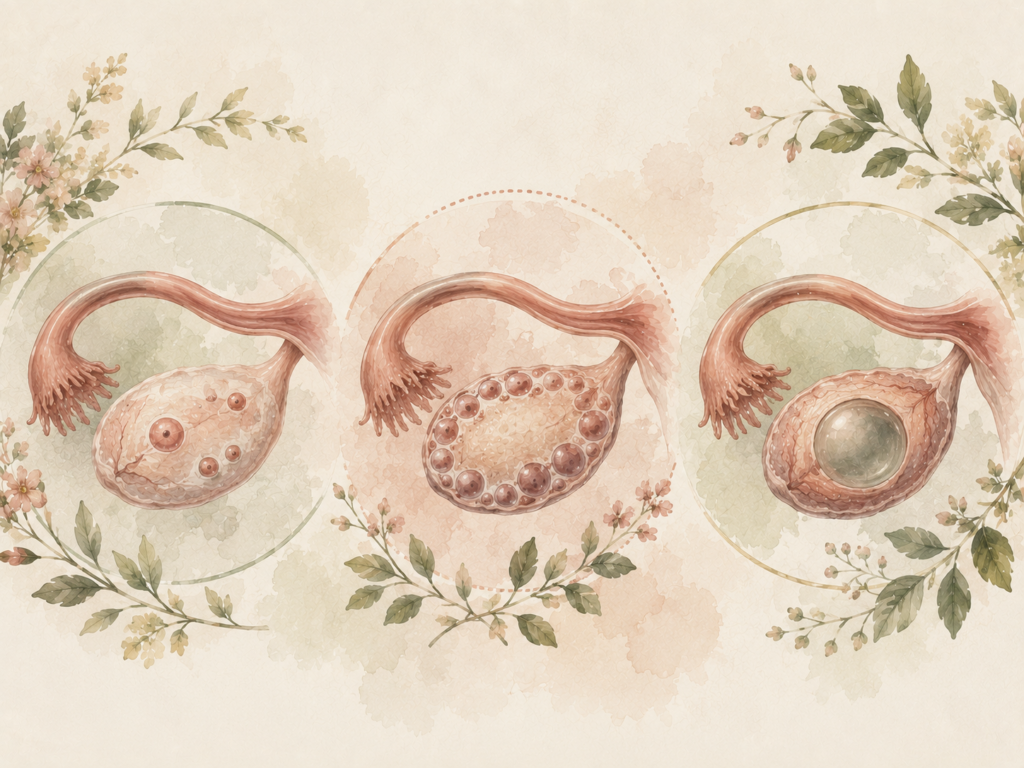
The ovaries of some people with PCOS may contain many small follicles that are associated with the condition’s ovarian appearance. These are not the same thing as the painful or enlarged ovarian cysts people may develop for other reasons.
And importantly:
You can have PCOS without having polycystic-appearing ovaries.
Likewise, having an ovarian cyst does not mean you have PCOS.
PCOS Treatment: What Are the Options?
There is no single treatment that works for everyone with PCOS.
Treatment is usually chosen according to your symptoms, health risks, age, medications, and whether you are currently trying to become pregnant.
Your treatment plan may focus on one or more goals:
- Regulating menstrual cycles
- Protecting the uterine lining
- Managing acne
- Reducing unwanted hair growth
- Supporting metabolic health
- Improving ovulation
- Supporting fertility
- Managing other health conditions associated with PCOS
PCOS treatment is generally about managing symptoms and reducing health risks, rather than permanently eliminating the condition.
Lifestyle Changes
Healthy lifestyle habits are an important part of PCOS management.
Regular physical activity and a nutritious eating pattern can support metabolic health, cardiovascular health, and overall well-being.
Useful habits can include:
- Eating a balanced diet.
- Choosing a variety of minimally processed foods.
- Getting regular physical activity.
- Maintaining a consistent sleep schedule.
- Managing stress.
- Avoiding smoking.
- Limiting or avoiding alcohol according to pregnancy status and medical advice.
There is no single diet or exercise program that is right for every person with PCOS.
And lifestyle management should not be reduced to weight loss. Health improvements can occur even when body weight does not change.
Treatment for Irregular Periods
If you are not trying to become pregnant, your healthcare professional may recommend treatment to make periods more predictable and protect the uterine lining.
Depending on your individual circumstances, options may include:
- Combined oral contraceptive pills.
- Progestin therapy.
- Other hormonal approaches.
The appropriate option depends on your medical history, risk factors, preferences, and whether contraception is desired.
Long periods without ovulation can expose the uterine lining to prolonged hormonal stimulation. Managing prolonged menstrual irregularity is therefore an important part of PCOS care.
Hormonal Birth Control and PCOS
Combined hormonal contraceptives can be used for more than contraception.
For some people with PCOS, they can help:
- Regulate menstrual bleeding.
- Reduce androgen-related symptoms.
- Improve acne.
- Reduce excessive hair growth over time.
They are not appropriate for everyone, however.
Your healthcare professional should consider factors such as blood pressure, migraine history, smoking, blood-clot risk, medications, and your reproductive plans before recommending a specific contraceptive.

Metformin and PCOS
Metformin is a medication that improves the body’s response to insulin and is commonly used to treat type 2 diabetes.
It may also have a role in PCOS management, particularly when metabolic problems such as insulin resistance or impaired glucose regulation are present.
Depending on the individual, metformin may help with aspects of metabolic health and menstrual regularity.
It is not automatically necessary for everyone with PCOS, and it should not be started without medical guidance.
Your healthcare professional can determine whether it is appropriate based on your health, metabolic risk, treatment goals, and other medications.
Treatment for Acne
PCOS-related acne may improve when the underlying hormonal environment is addressed.
Depending on severity and pregnancy plans, treatment can include:
- Appropriate skincare.
- Topical acne medications.
- Hormonal treatment.
- Other prescription medications.
Some acne medications are not appropriate during pregnancy or while trying to conceive, so always tell your healthcare professional if pregnancy is possible or planned.
Treatment for Excess Facial or Body Hair
Treatment for unwanted hair can involve several approaches.
These may include:
- Shaving.
- Waxing.
- Threading.
- Depilatory methods.
- Laser hair reduction.
- Electrolysis.
- Prescription medications when appropriate.
Some medications that reduce androgen activity can take several months to produce noticeable effects and may require reliable contraception because of potential risks during pregnancy.
Treatment should therefore be individualized with a healthcare professional.
PCOS Treatment When Trying to Get Pregnant
PCOS is one of the most common causes of infertility related to irregular ovulation.
But having PCOS does not mean you cannot become pregnant.
Many people with PCOS conceive naturally, while others may need treatment to help restore or stimulate ovulation.
The first step is usually determining whether irregular ovulation is actually occurring and whether any other fertility factors may be involved.
Your healthcare professional may consider:
- Menstrual history.
- Ovulation patterns.
- Semen analysis for a partner when appropriate.
- Fallopian-tube assessment when indicated.
- Other causes of infertility.
- Metabolic health.
- Age and reproductive history.
Letrozole for PCOS-Related Infertility
For women with PCOS who are not ovulating regularly and are trying to conceive, letrozole is recommended by the international evidence-based PCOS guideline as the preferred first-line medication for ovulation induction when there are no other infertility factors.
Letrozole works by temporarily altering estrogen signaling, which can encourage the brain and ovaries to produce the hormonal signals needed for ovulation.
It should only be used under medical supervision.
Clomiphene and Other Fertility Treatments
Clomiphene citrate is another medication that can stimulate ovulation.
Depending on the circumstances, a fertility specialist may also consider:
- Metformin in selected patients.
- Injectable gonadotropins.
- Intrauterine insemination (IUI).
- In vitro fertilization (IVF).
The appropriate treatment depends on whether ovulation is the only fertility problem or whether additional factors are present.
Fertility treatment should always be individualized rather than selected solely because someone has PCOS.
Can PCOS Be Cured?
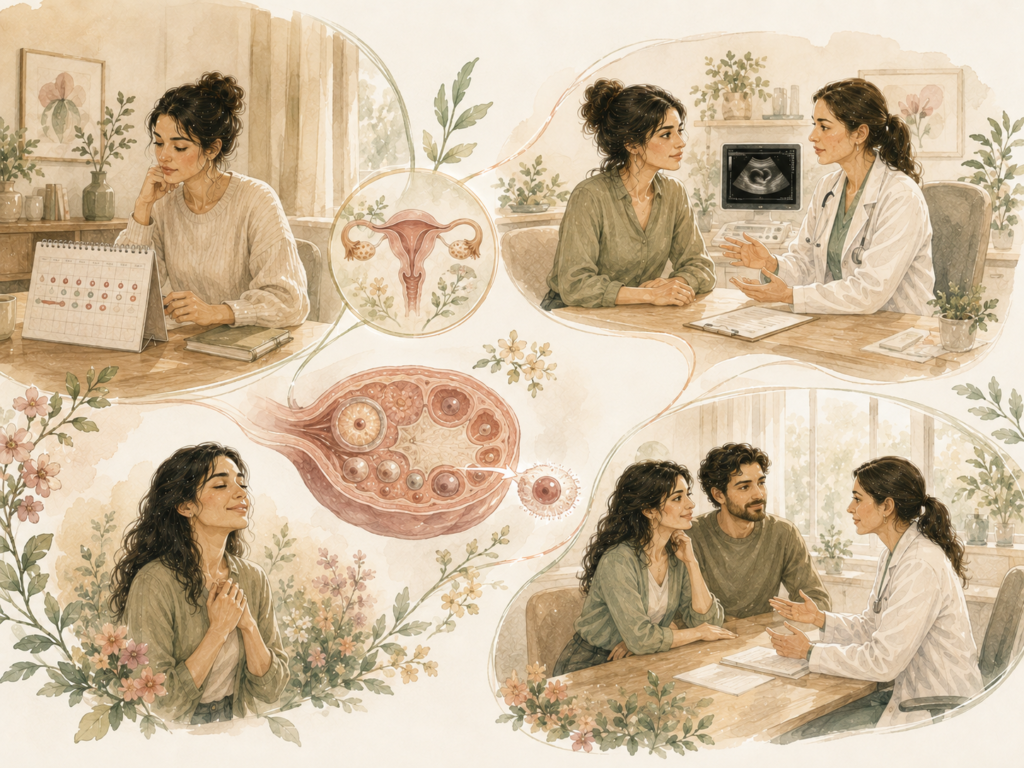
There is currently no cure for PCOS, but its symptoms and associated health risks can often be managed effectively.
PCOS is generally considered a long-term condition, although its symptoms can change over time.
For example, treatment priorities may be different when someone is:
- Managing irregular periods.
- Trying to conceive.
- Managing acne or unwanted hair.
- Monitoring blood glucose.
- Approaching menopause.
A diagnosis of PCOS does not mean that you will experience every possible symptom throughout your life.
Good management focuses on your current symptoms, health risks, and personal goals.
What Happens If PCOS Is Not Managed?
PCOS does not necessarily cause serious complications in every person, but it is associated with an increased risk of several health conditions.
These include:
- Prediabetes and type 2 diabetes.
- High blood pressure.
- Abnormal cholesterol levels.
- Cardiovascular risk factors.
- Endometrial hyperplasia and endometrial cancer.
- Sleep apnea.
- Anxiety and depression.
Having PCOS does not mean that you will develop these conditions.
These are increased risks at the population level, which is why appropriate screening and preventive healthcare are important.
PCOS and Blood Sugar
PCOS is associated with an increased risk of insulin resistance and abnormal glucose regulation.
Over time, this can increase the likelihood of developing prediabetes or type 2 diabetes.
Your healthcare provider may therefore recommend blood glucose testing based on your individual risk factors.
Maintaining regular physical activity, eating a balanced diet, getting adequate sleep, and following your healthcare provider’s recommendations can support metabolic health.

PCOS and Heart Health
People with PCOS may have a higher likelihood of certain cardiovascular risk factors, including:
- High blood pressure.
- Abnormal cholesterol.
- Insulin resistance.
- Elevated blood glucose.
- Higher body weight in some individuals.
This does not mean PCOS directly causes heart disease in every person.
Instead, it highlights why long-term cardiovascular and metabolic health should be part of PCOS care.
Regular medical checkups can help identify and manage risk factors early.
PCOS and the Uterine Lining
When ovulation does not happen regularly, progesterone may not be produced in the usual cyclical pattern.
This can allow the uterine lining, called the endometrium, to remain exposed to estrogen for prolonged periods.
Over time, prolonged infrequent menstruation can increase the risk of endometrial hyperplasia, an abnormal thickening of the uterine lining.
PCOS is also associated with a higher risk of endometrial cancer.
This is one reason persistent menstrual irregularity should be evaluated rather than ignored.
PCOS and Mental Health
PCOS can affect more than physical health.
Some people with PCOS experience:
- Anxiety.
- Depression.
- Body-image concerns.
- Distress related to acne or unwanted hair.
- Emotional difficulties related to fertility.
- Reduced quality of life.
These experiences are real and deserve proper attention.
If PCOS is affecting your mood, relationships, confidence, sleep, or everyday life, talk to a healthcare professional.
Mental health support can be an important part of comprehensive PCOS care.

How Often Should PCOS Be Monitored?
PCOS management does not end after receiving a diagnosis.
Because PCOS can affect reproductive, metabolic, and psychological health, your healthcare needs may change over time.
The type and frequency of monitoring should be individualized, but your healthcare professional may periodically review:
- Menstrual patterns
- Blood pressure
- Blood glucose
- Cholesterol and other lipid levels
- Weight or other measures of metabolic health when appropriate
- Mental health
- Sleep quality
- Fertility goals
- Medication effectiveness and side effects
Regular monitoring allows problems to be identified before they become more difficult to manage.
How to Live Well With PCOS
Living with PCOS does not mean you need to follow an extreme diet, exercise excessively, or constantly monitor every symptom.
A sustainable approach is usually more helpful.
Build a Balanced Eating Pattern
There is no single diet that has been proven to “cure” PCOS.
Instead, focus on a varied eating pattern containing foods such as:
- Vegetables
- Fruits
- Whole grains
- Beans and lentils
- Eggs, fish, poultry, or other protein sources
- Nuts and seeds
- Healthy fats
- Dairy or fortified alternatives when appropriate
Reducing excessive intake of highly processed foods and added sugars can support overall metabolic health, but there is no need to completely eliminate carbohydrates.
Stay Physically Active
Regular physical activity can benefit people with PCOS regardless of whether weight loss occurs.
Activities can include:
- Walking
- Strength training
- Swimming
- Cycling
- Dancing
- Yoga
- Other activities you genuinely enjoy
Consistency matters more than following an extreme workout routine.
Protect Your Sleep
Sleep problems are relatively common among people with PCOS, and sleep quality can affect metabolic health, mood, appetite, and energy.
Try to maintain a consistent sleep and wake schedule.
If you regularly snore loudly, wake feeling exhausted, or experience excessive daytime sleepiness, discuss these symptoms with your healthcare provider because sleep apnea can occur more frequently in people with PCOS.
Track Your Menstrual Cycle
Keeping track of your periods can help you and your healthcare professional recognize changes over time.
You can record:
- First day of each period
- Cycle length
- Bleeding pattern
- Unusual symptoms
- Medications
- Pregnancy attempts
A simple calendar is enough—you don’t need an expensive fertility-tracking system.

What Should You Ask Your Doctor About PCOS?
If you’ve recently been diagnosed with PCOS—or think you may have it—consider asking:
- What symptoms suggest PCOS in my case?
- What other conditions need to be ruled out?
- Do I need blood tests?
- Do I need an ultrasound?
- Should my blood glucose be checked?
- Should my cholesterol be checked?
- How often should my periods occur?
- What treatment is appropriate for my symptoms?
- What should I do if I want to become pregnant?
- Could any of my medications affect fertility?
- Should I be screened for anxiety or depression?
- How often should I have follow-up appointments?
Writing your questions down before your appointment can make the conversation easier.
When Should You See a Doctor?
Make an appointment with a healthcare professional if you have persistent:
- Irregular or absent periods
- Excess facial or body hair
- Persistent acne
- Scalp hair thinning
- Difficulty becoming pregnant
- Unexplained metabolic abnormalities
- Several PCOS symptoms occurring together
You should also seek medical attention for sudden or severe symptoms, rather than assuming they are caused by PCOS.
For example, severe pelvic pain, very heavy bleeding, fainting, chest pain, or significant difficulty breathing require prompt medical assessment.
Frequently Asked Questions About PCOS
The exact cause of PCOS is not fully understood. Research suggests that genetics, hormonal regulation, androgen activity, insulin resistance, and other metabolic factors interact in its development.
There is currently no cure for PCOS, but symptoms and associated health risks can often be managed successfully through lifestyle measures, medications, fertility treatment, and regular healthcare.
PCOS is diagnosed using a combination of medical history, menstrual and ovulation patterns, signs or laboratory evidence of androgen excess, and sometimes ultrasound findings. Other conditions that can cause similar symptoms must also be considered and excluded when appropriate.
Not necessarily. Some adults can be diagnosed based on irregular ovulation and evidence of androgen excess without an ultrasound. Your healthcare professional will determine whether imaging is useful in your situation.
Yes. Ovarian cysts are not required for a PCOS diagnosis. The name can be misleading because PCOS is a broader hormonal and metabolic condition.
No. PCOS can occur in people of all body sizes. Some people with PCOS experience weight gain or difficulty managing weight, while others do not.
There is no single best treatment for everyone. Treatment depends on your symptoms, health risks, reproductive goals, and preferences. Options may include lifestyle management, hormonal contraception, metformin, treatments for acne or unwanted hair, and fertility treatment when pregnancy is desired.
PCOS can make conception more difficult because irregular ovulation can reduce the number of opportunities for pregnancy. However, many people with PCOS become pregnant naturally or with appropriate fertility treatment.
Yes. Metformin may be used in some people with PCOS, particularly when metabolic problems are present. It is not automatically appropriate for everyone and should be prescribed based on individual circumstances.
PCOS is associated with a higher risk of impaired glucose regulation, prediabetes, and type 2 diabetes. Having PCOS does not mean you will develop diabetes, but appropriate metabolic screening can help identify risk early.
Untreated or poorly managed PCOS can be associated with irregular periods, infertility, metabolic problems, and increased risks of conditions such as type 2 diabetes and endometrial abnormalities. Appropriate management can help reduce these risks and improve quality of life.

Conclusion
PCOS is a complex condition that can affect periods, ovulation, hormones, skin, hair, metabolism, fertility, and emotional well-being.
There is no single cause and no single treatment that works for everyone.
Genetic factors, hormonal changes, androgen activity, insulin resistance, and metabolic factors can all play a role. Because PCOS symptoms overlap with other medical conditions, getting an accurate diagnosis is more useful than trying to diagnose yourself from symptoms alone.
Treatment is based on your individual needs. It may involve lifestyle changes, medication, menstrual-cycle management, treatment for acne or unwanted hair, metabolic monitoring, or fertility treatment if you’re trying to conceive.
Most importantly, PCOS does not define your fertility or your future health. With appropriate medical care and a personalized management plan, many people with PCOS successfully manage their symptoms, protect their long-term health, and become pregnant when they choose to.
If you recognize several PCOS symptoms in yourself, speak with a qualified healthcare professional rather than trying to manage the condition alone.
Medical Disclaimer
This article is for educational purposes only and does not provide individualized medical advice, diagnosis, or treatment.
PCOS symptoms can overlap with thyroid disorders, elevated prolactin, pregnancy, certain medications, nutritional problems, and other hormonal or medical conditions.
Do not start, stop, or change prescription medications based solely on this article.
If you believe you may have PCOS, speak with a qualified healthcare professional for appropriate evaluation and testing.
If you experience severe pelvic or abdominal pain, very heavy bleeding, fainting, chest pain, severe difficulty breathing, or another potentially serious symptom, seek urgent medical care.
Sources & References
LifeMate prioritize the following authoritative sources when reviewing and updating this article:
- World Health Organization (WHO) — Polycystic ovary syndrome.
- 2023 International Evidence-Based Guideline for the Assessment and Management of PCOS — Monash University and collaborating international organizations.
- National Institutes of Health / NICHD — Polycystic Ovary Syndrome information.
- American College of Obstetricians and Gynecologists (ACOG) — reproductive and women’s health guidance.
- Centers for Disease Control and Prevention (CDC) — diabetes and metabolic-health information where relevant.
The international PCOS guideline should be the primary clinical reference for diagnosis and treatment recommendations, while WHO and NIH provide useful patient-facing background information.