
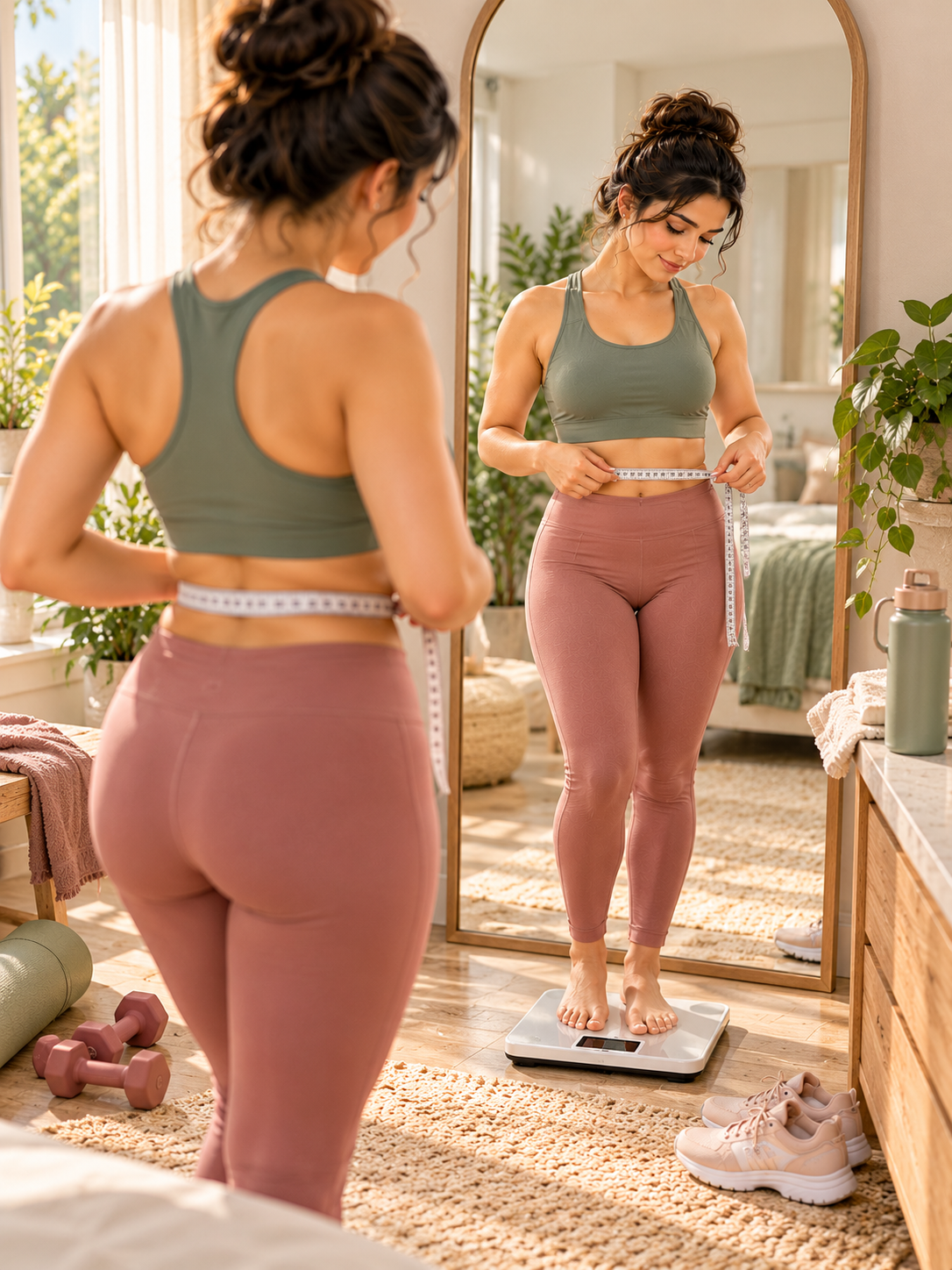
Losing weight does not require exhausting workouts, expensive gym memberships, or hours on a treadmill every day. A realistic exercise routine can help you become more active, improve fitness, support weight management, and build habits that are easier to maintain.
The best exercise for weight loss is not necessarily the hardest workout. It is an activity you can perform safely and consistently while following a balanced eating pattern that meets your nutritional needs.
Whether you prefer walking outdoors, exercising at home, cycling, swimming, or lifting weights at the gym, there are several ways to make movement part of your routine.
In this guide, you will learn which exercises can support weight loss, how cardio compares with strength training, how much activity to aim for, and how beginners can create a practical weekly plan.
How Does Exercise Help With Weight Loss?
Your body uses energy to perform essential functions, digest food, move around, and exercise. Physical activity increases the energy your body uses.
When you consistently consume less energy than your body uses, you create a calorie deficit, which can lead to weight loss over time. Exercise can contribute to that deficit, while also supporting cardiovascular fitness, muscle strength, mobility, sleep, and overall health.
However, exercise does not guarantee weight loss on its own. Appetite, food intake, sleep, medications, health conditions, genetics, and other factors can influence changes in body weight. Combining physical activity with a sustainable eating pattern is often more effective than relying on exercise alone.
Why exercise matters beyond the scale
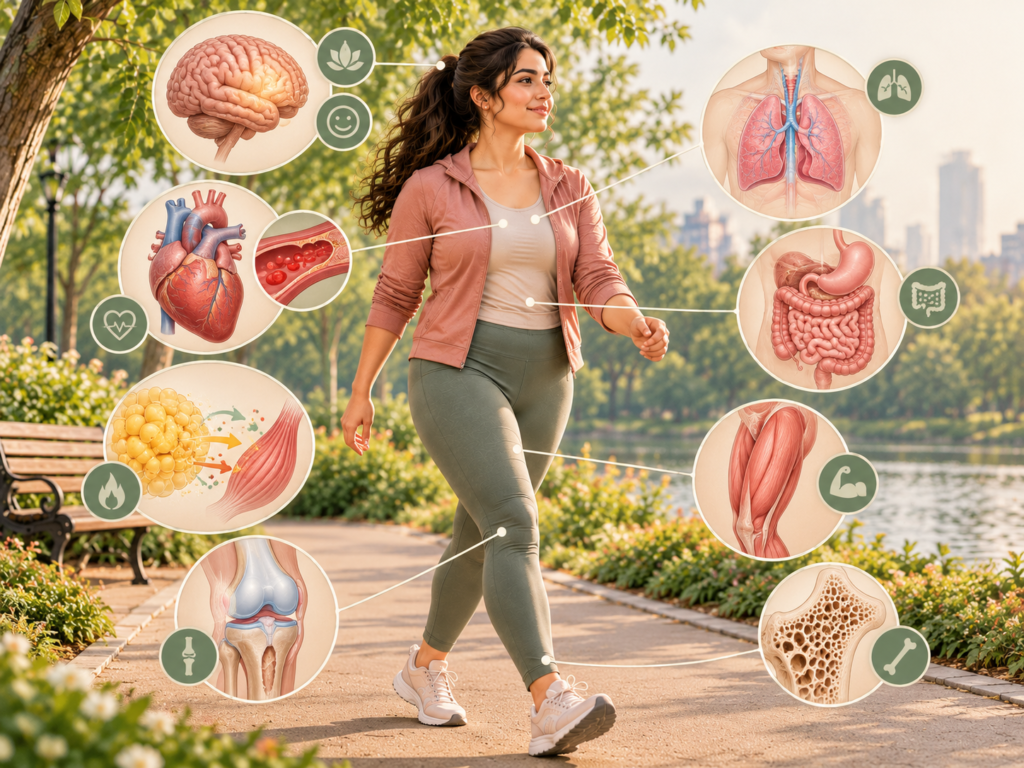
Regular movement can help you:
- Improve heart and lung fitness.
- Build or maintain muscle strength.
- Support blood sugar regulation and cardiovascular health.
- Improve sleep and everyday physical function.
- Make it easier to maintain weight loss over time.
You do not need to burn a particular number of calories in every workout to benefit. Focus on building a routine that supports your health and fits your circumstances.
What Are the Best Exercises for Weight Loss?
There is no single exercise that works best for everyone. Your starting fitness level, mobility, health, available equipment, preferences, and schedule all matter.
The most practical approach is often to combine aerobic activity with muscle-strengthening exercise. Here are the main options.
1. Walking
Walking is an accessible way to begin exercising. It requires little equipment, can be adjusted to your fitness level, and can fit into a busy day.
Walking may be especially useful if you are new to exercise or returning after a long break.
How to get started:
- Begin with 5–10 minutes at a comfortable pace if necessary.
- Gradually increase the duration as your fitness improves.
- Try a brisk pace at which your breathing becomes faster but you can still speak in sentences.
- Choose comfortable shoes and a route that feels safe.
- Break a longer walk into shorter sessions if that works better for your schedule.
You do not need to start by walking for an hour. Consistency matters more than an ambitious first session.
2. Cycling
Cycling can improve aerobic fitness while allowing you to adjust your speed and resistance. A stationary bicycle can be a useful option if outdoor cycling is inconvenient.
Start with gentle resistance and a duration you can manage. Increase your workload gradually rather than forcing yourself to pedal at a high intensity immediately.
3. Swimming and water exercise
Swimming uses multiple muscle groups and can provide aerobic exercise with less impact on weight-bearing joints than activities such as running.
If swimming is not accessible, water walking or a suitable aquatic fitness class may be alternatives. Follow pool safety guidance and choose a level appropriate for your ability.
4. Dancing and aerobic workouts
Dancing, low-impact aerobics, and beginner fitness videos can help you stay active at home or in a class.
Choose routines with clear modifications, especially if you have knee pain, balance difficulties, or have not exercised recently. You can start without jumping or performing rapid movements.
5. Strength training
Strength training includes exercises that make your muscles work against resistance, such as weights, resistance bands, machines, or body weight.
Examples include:
- Chair squats or supported squats.
- Wall push-ups.
- Resistance-band rows.
- Dumbbell exercises with manageable weights.
- Glute bridges, when comfortable.
- Leg presses or other suitable gym-machine exercises.
Strength training can help develop strength and preserve muscle during weight loss. It is not necessary to lift very heavy weights to begin. Learn proper technique, increase resistance gradually, and allow recovery between challenging sessions.
6. Stair climbing and other higher-intensity activities
Stair climbing, jogging, and vigorous interval workouts can be challenging and time-efficient for people who are prepared for them. However, they are not essential for weight loss.
Beginners can obtain meaningful health benefits from moderate activity. If you have been inactive, have joint problems, or have a medical condition that affects exercise tolerance, start with an appropriate lower-intensity option.
Cardio vs. Strength Training: Which Is Better for Weight Loss?
Both can be useful, but they serve somewhat different purposes.
| Feature | Cardio exercise | Strength training |
|---|---|---|
| Examples | Walking, cycling, swimming | Weights, resistance bands, body-weight exercises |
| Main benefit | Improves aerobic fitness and increases energy use during activity | Improves strength and helps maintain muscle |
| Beginner options | Comfortable walking, stationary cycling | Wall push-ups, chair squats, light resistance |
| Suggested role | A regular part of your weekly routine | Include on at least two days each week if suitable |
| Best approach | Choose a sustainable activity and progress gradually | Learn technique and increase resistance progressively |
So which should you choose? If you enjoy walking, begin with walking. If you enjoy resistance training, include it in your routine. For many adults, combining both is a practical long-term approach.
The CDC recommends at least 150 minutes of moderate-intensity aerobic activity per week for adults, along with muscle-strengthening activity on at least two days per week. This is a general health target, not a requirement to meet immediately on your first week.
How Much Exercise Do You Need to Lose Weight?
The amount of exercise needed for weight loss varies between individuals. It depends on factors such as diet, body size, exercise intensity, health, and the amount of movement you already do.
A useful first goal is to work gradually toward the general adult activity recommendations:
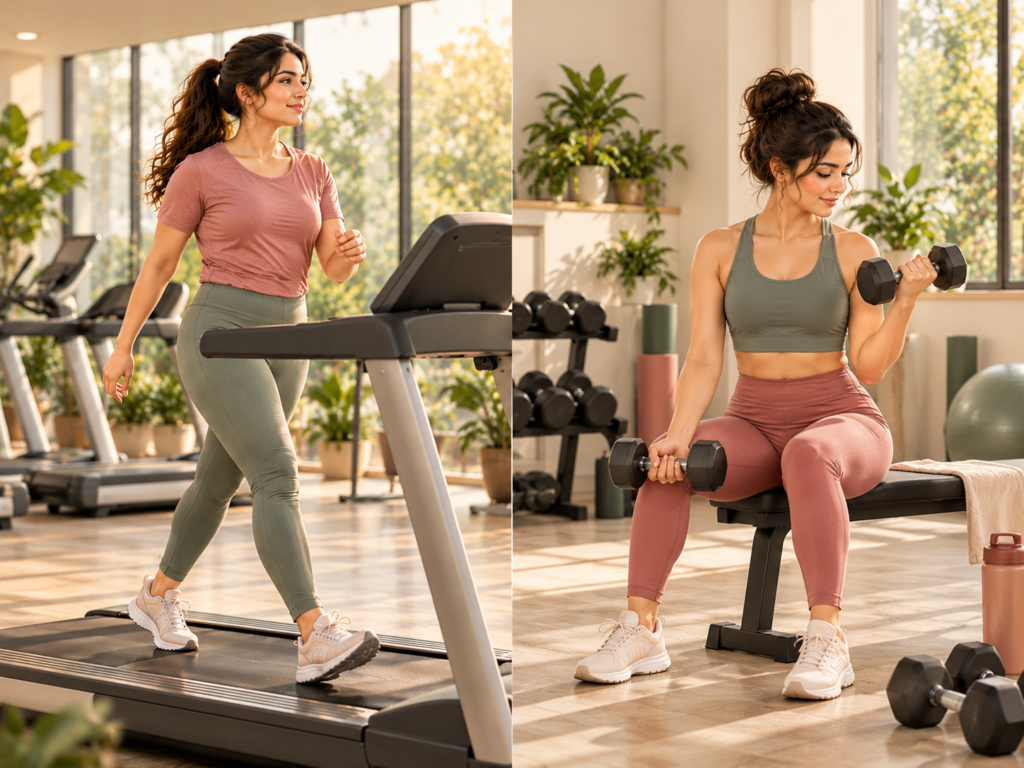
- Aerobic activity: at least 150 minutes of moderate-intensity activity per week.
- Strength training: at least two days per week, covering the major muscle groups.
- Everyday movement: reduce long periods of sitting where practical.
Some people may need more activity to support their weight goals, while others need a different approach because of health limitations. You do not have to achieve the full target immediately.
What counts as moderate-intensity exercise?
A simple guide is the talk test. During moderate-intensity activity, you can usually talk but would find singing difficult.
If you can speak only a few words before needing to pause for breath, the activity is likely vigorous. Beginners can start at a lower intensity and build up over time.
Can short workouts count?
Yes. You can divide exercise into shorter sessions throughout the day. For example, three 10-minute walks can help you build up your activity.
Short sessions are especially useful if you work at a desk, care for family members, or struggle to find a continuous block of time.
A Beginner-Friendly Weekly Exercise Plan
The following example is a starting point for an adult who can exercise safely. Adapt it to your current ability, and take additional rest as needed.
| Day | Activity | Example duration |
|---|---|---|
| Monday | Comfortable to brisk walking | 20 minutes |
| Tuesday | Beginner full-body strength routine | 15–20 minutes |
| Wednesday | Walking or stationary cycling | 20 minutes |
| Thursday | Rest or gentle mobility exercises | 5–10 minutes, optional |
| Friday | Walking | 20 minutes |
| Saturday | Beginner strength training plus an easy walk | 15–20 minutes plus optional walking |
| Sunday | Rest or an enjoyable gentle activity | As comfortable |
This sample plan is intentionally modest. It does not yet reach 150 minutes of moderate aerobic exercise, and that is fine for a starting routine. Add time gradually as your fitness and recovery improve. If you already exercise regularly, you may be able to begin at a higher level.
How to progress over four weeks
- Week 1: Learn the routine and find a comfortable starting duration.
- Week 2: Add a few minutes to selected walks if you feel well.
- Week 3: Increase walking pace or resistance slightly, without sacrificing technique.
- Week 4: Review your consistency, recovery, and comfort, then set the next realistic target.
Progress is not a race. If you experience unusual pain, dizziness, chest discomfort, or severe breathlessness, stop exercising and seek appropriate medical advice.

Can You Lose Weight by Walking Every Day?
Walking can contribute to weight loss by increasing daily activity and energy expenditure. It also offers benefits for cardiovascular fitness and general wellbeing.
However, walking every day does not guarantee that the scale will decrease. Food intake, overall activity, sleep, medication, and health factors can affect your results.
To make walking a sustainable habit:
- Choose a time of day that fits your routine.
- Start with a distance or duration you can manage.
- Increase your time or pace gradually.
- Try a familiar route or walk with a friend for motivation.
- Keep track of your progress without treating every session as a test of willpower.
If you cannot walk outdoors, consider indoor walking, gentle marching in place, or another activity suitable for your mobility.
Can You Lose Belly Fat With Exercise?
Exercise can support overall fat loss and improve strength, but you cannot reliably choose exactly where your body loses fat first.
Abdominal exercises, such as crunches and planks, can strengthen your core muscles. They do not specifically burn the fat covering those muscles.
For overall weight management, combine regular physical activity with balanced nutrition, adequate sleep, and a realistic long-term plan. Changes in waist circumference and body weight may occur at different rates for different people.
Avoid programmes that promise to eliminate belly fat in a few days or guarantee a particular body shape. Such claims are not realistic for everyone.
Exercise at Home or at the Gym: Which Is Better?
Both can work. The better choice is the one that suits your budget, schedule, preferences, and physical needs.
Home workouts
Home exercise can be convenient and inexpensive. You can begin with walking in place, chair squats, wall push-ups, and suitable resistance-band exercises.
Advantages:
- Little or no equipment required.
- No commute.
- Flexible timing.
- Easy to start with short sessions.
Gym workouts
A gym offers equipment such as treadmills, stationary bikes, resistance machines, and free weights. These can make it easier to vary your training and progressively increase resistance.
Advantages:
- More exercise options.
- Access to machines and weights.
- Possible guidance from qualified fitness professionals.
- A dedicated place to exercise.
Neither setting guarantees better results. Consistency, safe progression, nutrition, and recovery matter more than where you exercise.
Common Exercise Mistakes That Can Slow Progress
Doing too much too soon
Starting with long, intense workouts can cause excessive soreness, fatigue, or injury. Begin at a manageable level and increase gradually.
Relying only on exercise to offset food intake
Exercise is valuable, but it can be difficult to compensate for a consistently excessive calorie intake through activity alone. A balanced, sustainable eating pattern and regular movement work well together.
Ignoring strength training
If your routine consists only of cardio and your goal is long-term fitness, consider adding appropriate strength work. Resistance exercise helps maintain and improve muscle strength.
Comparing your progress with someone else’s
People differ in fitness, body composition, health conditions, daily activity, and recovery. Another person’s pace or results are not a reliable measure of what you should achieve.
Exercising despite warning symptoms
Stop if you experience chest pain, faintness, or severe or unusual shortness of breath. Seek urgent medical attention for serious or persistent symptoms. If you have a chronic condition or have been inactive for a long time, ask a healthcare professional whether any modifications are needed before starting vigorous exercise.
Nutrition, Recovery, and Exercise: Why All Three Matter
Exercise is one part of a healthy weight-management routine. Your body also needs adequate nutrition and recovery.
Eat enough to support your activity
Include protein sources, vegetables, whole grains or other suitable carbohydrate sources, healthy fats, and other foods that help meet your nutritional needs. Avoid extreme restriction that leaves you weak, dizzy, or unable to recover from exercise.
For related reading, see LifeMate’s guide to 25 Best Foods for Weight Loss That Help You Feel Full. You can also READ our guide, Healthy Weight Loss: A Beginner’s Guide to Losing Weight Safely.
Allow time for recovery
Sleep and rest help you recover between workouts. You do not need to train intensely every day. Alternate challenging sessions with easier activity or rest, particularly when you are a beginner.
Be patient with the scale
Weight can fluctuate from day to day because of fluid balance, digestion, hormones, and other factors. If you choose to monitor your weight, look at longer-term trends rather than judging progress from a single measurement.
If your weight is not changing as expected, review your routine and consider seeking help from a qualified healthcare professional or registered dietitian instead of automatically cutting food further or adding excessive exercise.

A Simple Action Plan to Start Today
You do not need to change your entire lifestyle overnight. Choose a few actions you can repeat.
- Pick one enjoyable activity, such as walking or cycling.
- Set a realistic first target, even if it is just 5–10 minutes.
- Schedule two suitable strength-training sessions each week when you are ready.
- Increase activity gradually, paying attention to comfort and recovery.
- Pair exercise with balanced meals and adequate sleep.
- Review your routine every couple of weeks and adjust it to your needs.
If you miss a workout, resume with your next planned session. A sustainable routine is built through repeated habits, not perfection.
Frequently Asked Questions About Exercise for Weight Loss
The best exercise is one you can perform consistently and safely. Brisk walking, cycling, swimming, dancing, and strength training can all contribute to a weight-management routine. Combining aerobic activity with muscle-strengthening exercise is a useful approach for many adults.
Your needs depend on your fitness level, health, diet, and goals. A common starting point is to work gradually toward 150 minutes of moderate-intensity aerobic activity each week, plus strength training on at least two days. You may need a different target depending on your circumstances.
Walking can help support weight loss, particularly when combined with a sustainable eating pattern. Results vary, and walking alone does not guarantee weight loss. Start with a manageable duration and gradually increase your activity.
Cardio increases energy use during activity and improves aerobic fitness. Strength training develops muscle strength and helps maintain muscle during weight loss. Both offer benefits, so combining them is often a practical choice.
Abdominal exercises strengthen your core but do not specifically remove fat from your stomach. Overall fat loss depends on broader factors, including eating habits, physical activity, genetics, and individual physiology.
Yes. Walking in place, chair squats, wall push-ups, resistance-band exercises, and other suitable home workouts can help you become more active. A gym is optional, not essential.
You do not need an intense workout every day. You can spread activity throughout the week and alternate exercise sessions with lighter activity or rest. Choose a routine that allows you to recover and remain consistent.
Exercise does not always produce an immediate change on the scale. Food intake, fluid fluctuations, changes in activity, medications, sleep, and medical conditions can influence weight. Review your longer-term trends and seek professional guidance if you need help adjusting your plan.
Conclusion: Build a Routine You Can Maintain
Exercise for weight loss does not need to be complicated. Walking, cycling, swimming, home workouts, and strength training can all contribute to a healthier lifestyle when they suit your abilities and are performed consistently.
Start with an achievable goal, increase activity gradually, eat enough to meet your nutritional needs, and give yourself time to recover. Instead of chasing the most exhausting workout, build a routine you can continue for months and years.
The most useful first step is simple: choose an activity you enjoy and make time for it this week. Small, repeatable actions can form the foundation of long-term progress.
For your next step, explore LifeMate’s related guides:
- Healthy Weight Loss: A Beginner’s Guide to Losing Weight Safely
- 25 Best Foods for Weight Loss That Help You Feel Full
- Calorie Deficit for Weight Loss: How It Works and How to Do It Safely
- 30 High-Protein Foods: Best Protein-Rich Foods to Add to Your Diet
Medical Disclaimer
This article is for general educational purposes only and is not a substitute for individual medical advice, diagnosis, or treatment. Exercise recommendations may need to be modified for people with chronic conditions, injuries, pregnancy, mobility limitations, or other health concerns.
If you have a medical condition, have been inactive for a long time, or are unsure which activities are appropriate for you, consult a qualified healthcare professional. Stop exercising and seek appropriate medical attention if you experience concerning symptoms such as chest pain, faintness, or severe shortness of breath.
Medical References
The following reputable sources support the article’s exercise and weight-management guidance.
1. Centers for Disease Control and Prevention (CDC) — Physical Activity and Your Weight and Health.
Read the CDC guidance
2. National Institute of Diabetes and Digestive and Kidney Diseases (NIDDK) — Eating & Physical Activity to Lose or Maintain Weight.
Read the NIDDK guidance
3. NIDDK — Health Tips for Adults.
Read the health tips
4. CDC — Steps for Losing Weight.
Read the CDC weight-loss guide
5. National Health Service (NHS) — Tips to Help You Lose Weight.
Read the NHS guidance